







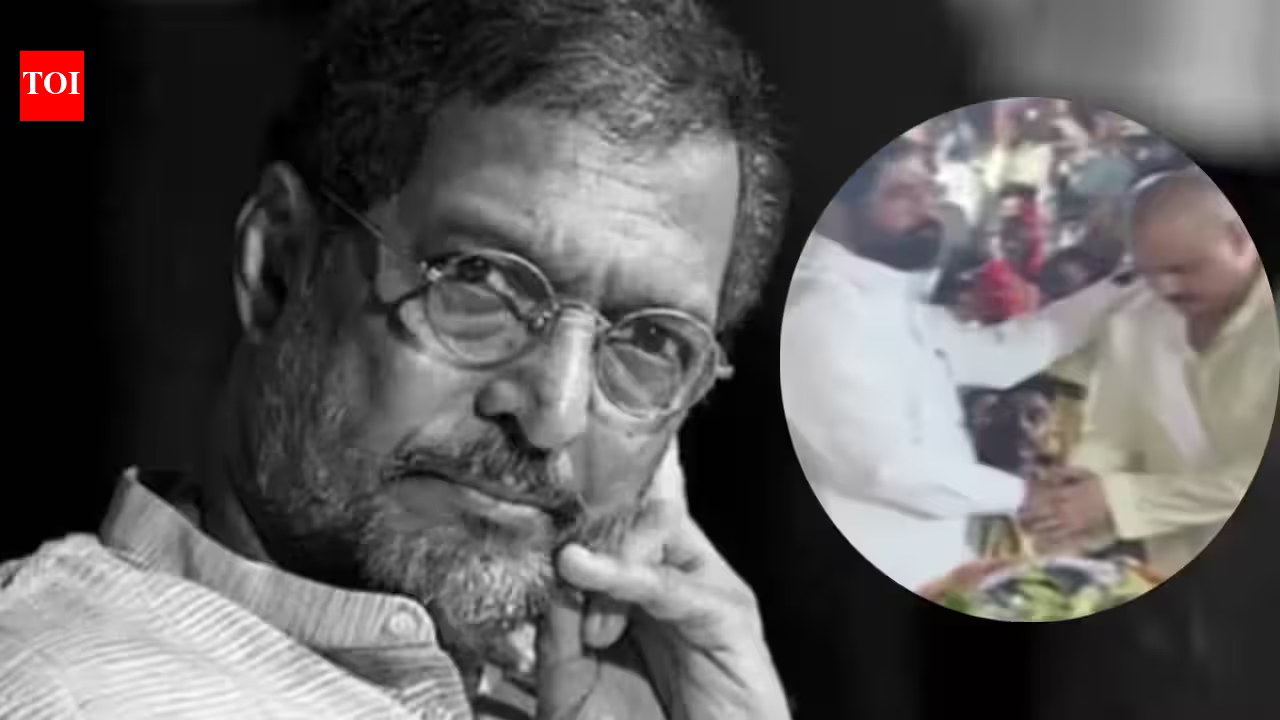
The Final Curtain: Remembering the Uncompromising Legacy of Nana Patekar
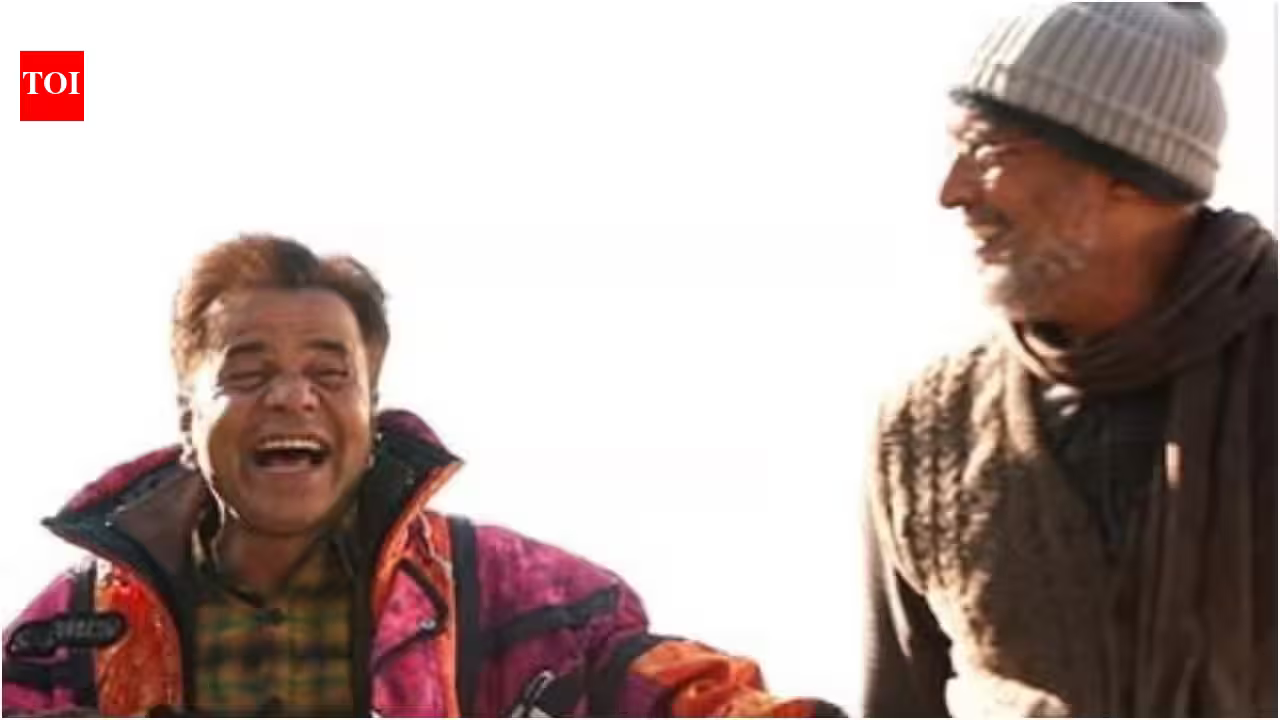
The Indian film industry woke up to a profound silence on Thursday, October 8. At the age of 75, Nana Patekar, a man whose screen presence was often described as a force of nature, breathed his last at his residence in Goa. The suddenness of his passing—a cardiac arrest that despite a valiant 45-minute effort by medical professionals to revive him, ultimately claimed his life—has left a void in the landscape of Indian cinema that feels impossible to fill.
His son, Malhar, confirmed the news with the quiet dignity that the family has always been known for. “He died due to natural reasons,” Malhar stated, even as the shockwaves of the loss began to ripple from the quiet corners of Goa to the bustling sets of Mumbai. By the time his mortal remains arrived in Pune, it was clear that India had not just lost an actor; it had lost a cultural pillar.
A Farewell Fit for a Legend
In a moving demonstration of respect for his monumental contributions to theatre and the silver screen, the Maharashtra government accorded Nana Patekar a state funeral. The final rites were performed at his farmhouse in Donje, a setting that echoed the simplicity and earthy groundedness the actor carried throughout his life.
Thousands of fans, many of whom had grown up watching him transition from the menacing antagonist to the morally conflicted hero, descended upon the venue to bid a tearful farewell. The scene was one of shared grief; Maharashtra Chief Minister Devendra Fadnavis and Deputy Chief Minister Eknath Shinde were present to pay floral tributes, underscoring the high regard in which the state held its son. For those who knew him, the sight of the state honouring the man who famously preferred a simple kurta-pyjama over the glitz of Bollywood was a poignant reminder of his legacy: he was, and always remained, a man of the people.
The Mentor and the Maverick: SRK’s Emotional Tribute
Perhaps no tribute captured the essence of the man quite like that of Shah Rukh Khan. Having worked alongside Patekar in Raju Ban Gaya Gentleman and Shakti: The Power, Khan’s remembrance offered a rare, intimate glimpse into the mentorship that shaped his early career.
Recalling their first encounter, Khan shared a quintessential “Nana” moment. “When I first met him, out of awe and awkwardness I fiddled with my hair. He slapped my hand away and said, ‘hero ki tarah Baal mat bana… tu actor hai’ (Don’t fix your hair like a hero… you are an actor)!”
It was this brand of brutal honesty that defined Patekar. He was never the actor who whispered sweet nothings; he was the mirror that forced you to look at your own craft. Khan noted, “He didn’t tell you what you wanted to hear. He told you what you needed to hear. That was Nana. Straightforward. Rough, honest, and had the most beautiful smile.” Beyond the intense performances and the booming, gravelly voice, Khan remembered the human side—a man who was a master of the carrom board and a friend who navigated the complex waters of stardom with a singular lack of pretension.
A Versatile Titan of the Silver Screen
To summarize Nana Patekar’s career is to summarize the evolution of the modern Indian protagonist. From his breakout roles that redefined the “angry young man” archetype to his later years where he masterfully played the weary, principled commoner, Patekar brought a level of intensity to his roles that few could match.
Actors like Ajay Devgn, who shared the screen with him in gritty dramas like Apaharan and Raajneeti, spoke for many when he wrote, “Not many made us happy, sad and feel anger quite the way Nana did.” Whether he was playing the volatile underworld figure or the compassionate activist, Patekar’s performance was never just a job; it was an act of excavation. He dug into the soul of his characters, pulling out nuances—the twitch of a lip, the sudden softening of his eyes—that made the audience forget they were watching a movie.
Mourning an Unreplaceable Icon
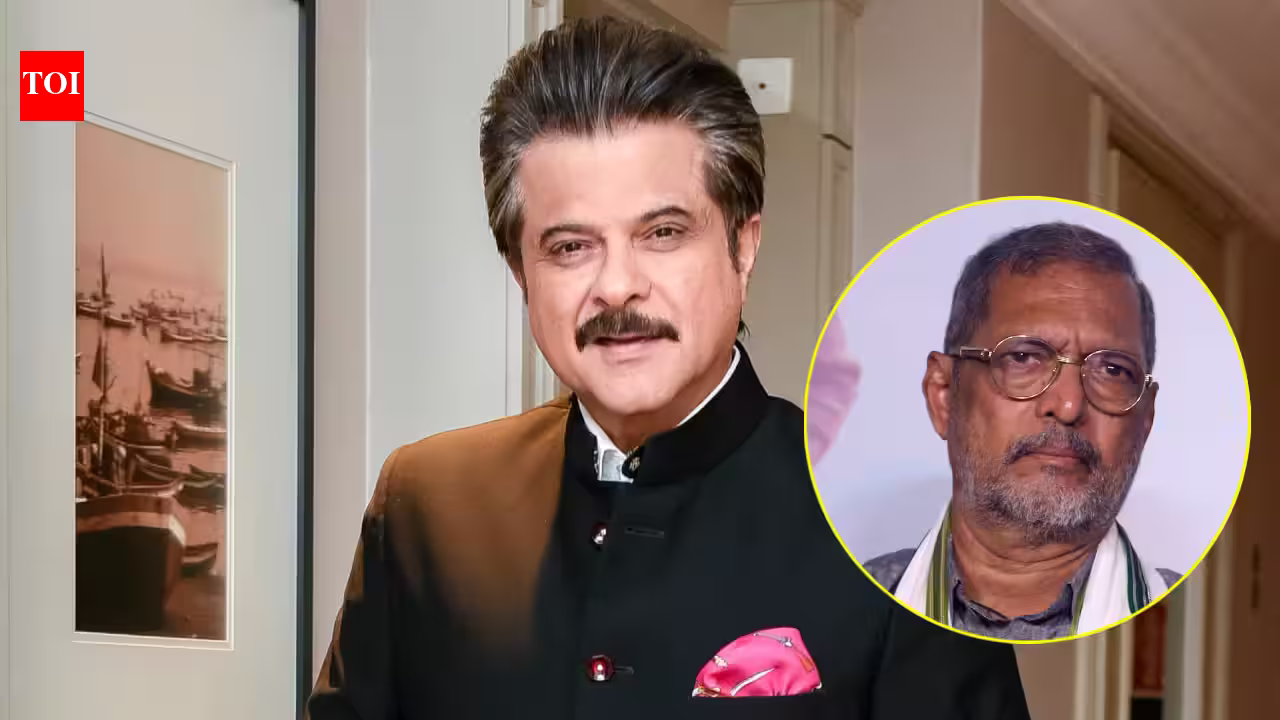
The outpouring of grief from the fraternity has been universal. From contemporary stars like Alia Bhatt and Kareena Kapoor Khan, who grew up respecting his craft, to peers like Paresh Rawal and Manisha Koirala, the consensus is clear: the industry has lost its compass for authenticity.
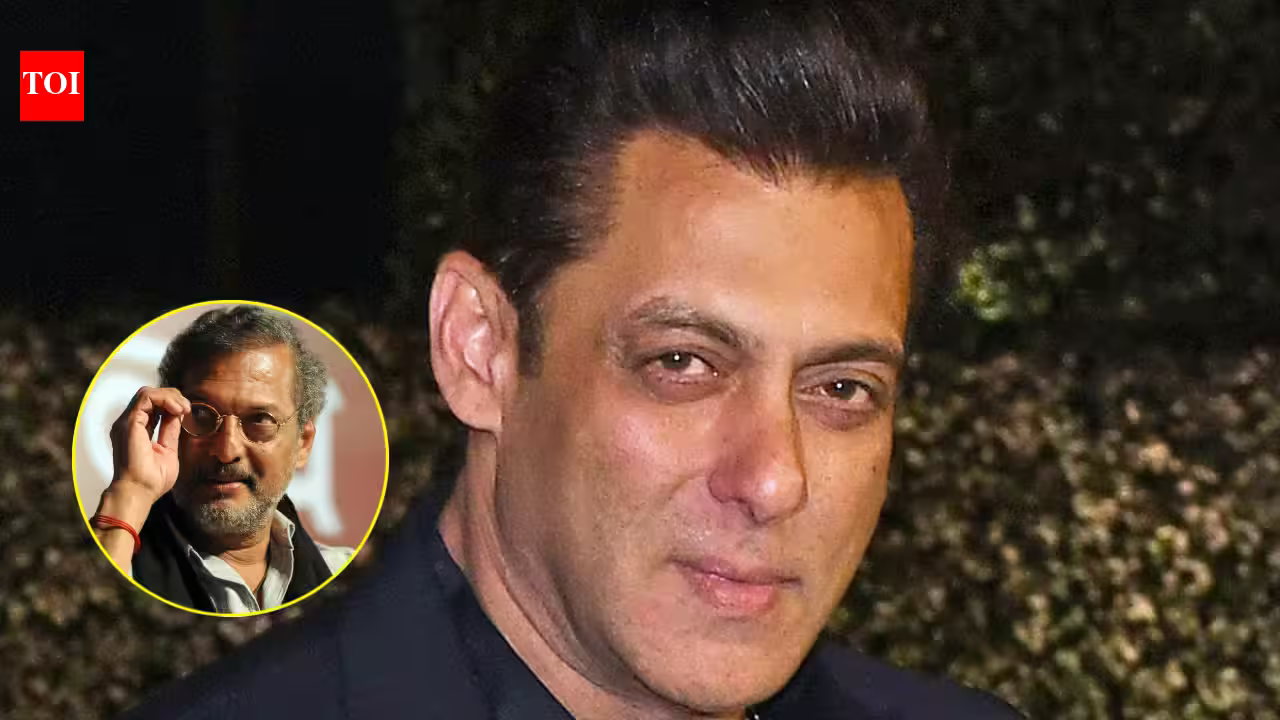
Salman Khan, in his typically understated style, took to social media to simply say, “Nanaaaaaaaaaaa. Rest in peace bhau…” The use of the word “bhau” (brother) speaks volumes. In an industry defined by competition and fleeting friendships, Patekar managed to earn the genuine respect of rivals and colleagues alike.
The Quiet After the Storm
As the dust settles in Donje, the film fraternity and the public are left to grapple with the realization that the screen will be significantly quieter without his presence. Nana Patekar leaves behind a legacy defined not by box office numbers, but by the weight of his words and the depth of his character.
He was a performer who demanded excellence from himself and those around him. While the films will continue to be made and the lights will continue to shine on the sets of Mumbai, the “rough, honest” voice that challenged a generation of actors to be better versions of themselves has been silenced.
Rest in peace, Nana. You were not just a hero or a villain; you were an actor in the truest sense of the word, and that is how you will be remembered—as the man who reminded us all that behind the makeup and the lights, the most important thing is to simply be yourself.
Disclaimer: This content is auto-generated for informational purposes only.
Source: Read Original News