









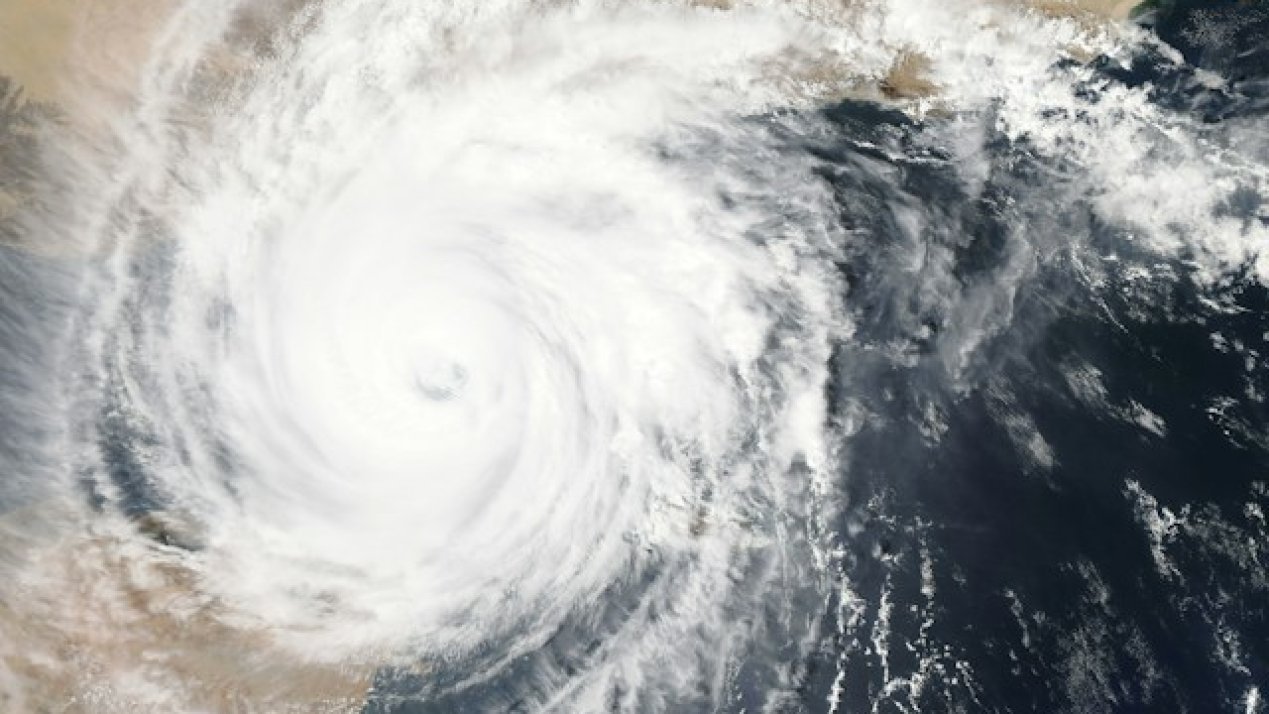
As Hurricane Isaias barrels toward the U.S. Gulf Coast, energy markets are bracing for a period of extreme volatility. With over a quarter of the Gulf of Mexico’s crude oil production and more than 16% of its natural gas output offline, the storm has exacerbated an already fragile North American energy landscape. The resulting supply squeeze arrives at a sensitive time, pushing fuel prices to historic autumn peaks and intensifying political discourse ahead of the midterm elections.
Operational Fallout in the Gulf
Major energy players are not taking chances as the storm intensifies. Chevron, Shell, and Harbour Energy have moved to evacuate non-essential personnel and shutter offshore assets, including major deepwater platforms. According to the latest monitoring data from the U.S. Marine Minerals Administration (MMA), eight production platforms have been fully evacuated, and several dynamically positioned rigs have been relocated to avoid the storm’s path.
These precautionary measures have effectively removed 511.6 thousand barrels per day (Mb/d) from the market. While companies have stated that facilities will return to service as soon as safety inspections are completed, the duration of the downtime remains unknown. Market analysts are now using predictive AI models to forecast potential recovery timelines, analyzing satellite imagery and weather tracking data—tools that are increasingly integrated into the supply chain management software used by major oil firms to mitigate downtime during extreme weather events.
The “Perfect Storm” of Fuel Price Inflation
The supply disruption caused by Isaias is far from an isolated incident. It acts as a catalyst for existing pressures that have kept U.S. gasoline prices at an unprecedented $4.36 per gallon. This price environment is being monitored closely by global financial news aggregators and search platforms, which are seeing record spikes in user queries related to energy costs.
The macro-economic situation is complex: global refiners are struggling with a projected 218 Mb/d supply deficit for the third quarter of 2026. This is compounded by Middle Eastern maritime conflicts that have forced shipping vessels to divert, significantly increasing voyage lengths and demand for fuel. As these logistics bottlenecks persist, the tech sector is seeing increased demand for sophisticated AI-driven maritime route-optimization platforms, which shipping companies are adopting to navigate geopolitical risk and minimize fuel expenditure.
Political Pressures and Market Uncertainty
The energy crisis has become a central theme in the run-up to the U.S. midterm elections, with candidates fiercely debating the causes of the current price surge. While some point to internal policy decisions—such as the 17% reduction in California’s refining capacity—others focus on external factors, including the significant drop in global diesel production and the severe decline in daily shipping volumes through critical straits like the Strait of Hormuz.
In the digital sphere, these narratives are being tracked by advanced sentiment analysis algorithms, which are detecting heightened anxiety among both commercial energy-intensive industries and everyday consumers. As search engines prioritize high-authority, real-time updates regarding the storm’s path and local gas availability, the intersection of tech, weather, and policy has never been more apparent. The coming days will be critical, as the industry waits to see whether the Gulf’s critical infrastructure can withstand the storm’s impact, or if the current market tightening will lead to even steeper costs for consumers across North America.
Disclaimer: This content is auto-generated for informational purposes only.
Source: Read Original News