








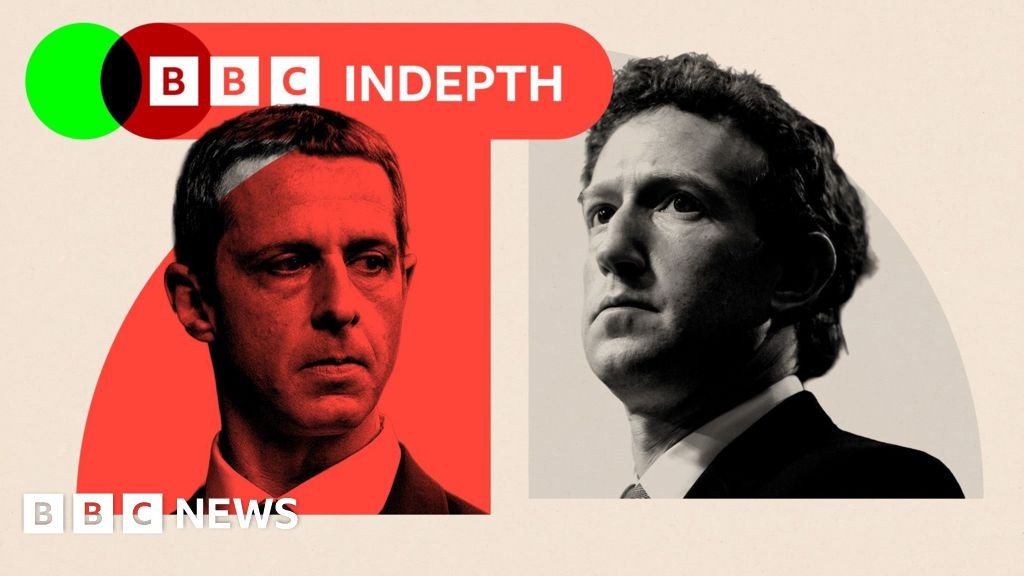
Mark Zuckerberg has spent the better part of a decade attempting to pivot from his image as a college-dorm coder to that of a sophisticated architect of the future. Yet, a new cinematic portrayal of the Meta CEO serves as a stark reminder that Silicon Valley’s titans remain lightning rods for public scrutiny. While the film positions Zuckerberg as a tech-world antagonist, the broader reality is that Meta—and the tech industry at large—appears increasingly insulated from the traditional consequences of negative publicity.
The Resilience of Big Tech Ecosystems
Meta’s ability to withstand reputational hits is not accidental; it is a byproduct of extreme utility. Despite ongoing controversies regarding data privacy, algorithm transparency, and the societal impact of social media, Meta’s platforms remain indispensable infrastructure for billions of users. Much like Google’s dominance in search or Apple’s control over the mobile ecosystem, Meta has cemented itself as a foundational layer of the internet.
When companies reach this level of ubiquity, individual narratives—even those presented in high-profile documentaries or films—struggle to dent the bottom line. Advertisers are tied to the platform’s massive reach, and users remain tethered by the “network effect.” For Meta, the narrative of the “villainous founder” has become background noise, easily drowned out by the sheer functional necessity of platforms like WhatsApp, Instagram, and Facebook.
AI Integration and the Pivot to Future Tech
While the public discourse focuses on the character of its leadership, Meta is aggressively shifting its internal focus toward generative AI and hardware integration. By pouring billions into the development of Llama, its open-source large language model, Meta is attempting to outpace rivals like Google’s Gemini and OpenAI’s GPT series.
This pivot to AI is more than just a business strategy; it is a defensive maneuver. By embedding AI agents into the fabric of its social apps, Meta is betting that the utility of these new features will supersede any lingering ill will toward its executive suite. Whether it is AI-generated photo editing or conversational assistants, the focus is on creating a personalized digital environment that makes the company’s services more essential than ever before, effectively buying goodwill through technical capability.
Industry Implications: Innovation Over Reputation
The tech industry has long operated under the assumption that if you build something useful enough, the audience will forgive the surrounding controversy. This “move fast and break things” philosophy has matured, but the underlying sentiment remains. We see this with Google’s ongoing integration of AI into Search—a move that fundamentally changes how the internet works—which persists despite significant criticism from publishers and SEO professionals.
In this climate, critical films and investigative reporting often find themselves preaching to the choir. The average consumer, when presented with the choice between a highly efficient AI tool that simplifies their daily tasks and a critique of the billionaire behind that tool, will almost always choose the former. Meta’s durability suggests that in the modern digital age, tech influence is no longer contingent on public affection; it is contingent on integration.
As long as these companies remain the primary gatekeepers of our digital lives, the “villain” narrative serves more as an interesting cultural critique than a threat to their business models. For Zuckerberg and his peers, the path forward is clear: continue to ship products that make life easier, faster, and more connected, and the public’s grievances—no matter how valid—will likely continue to take a back seat to the convenience of the algorithm.
Disclaimer: This content is auto-generated for informational purposes only.
Source: Read Original News