








The Mechanics of a High-Stakes Data Breach
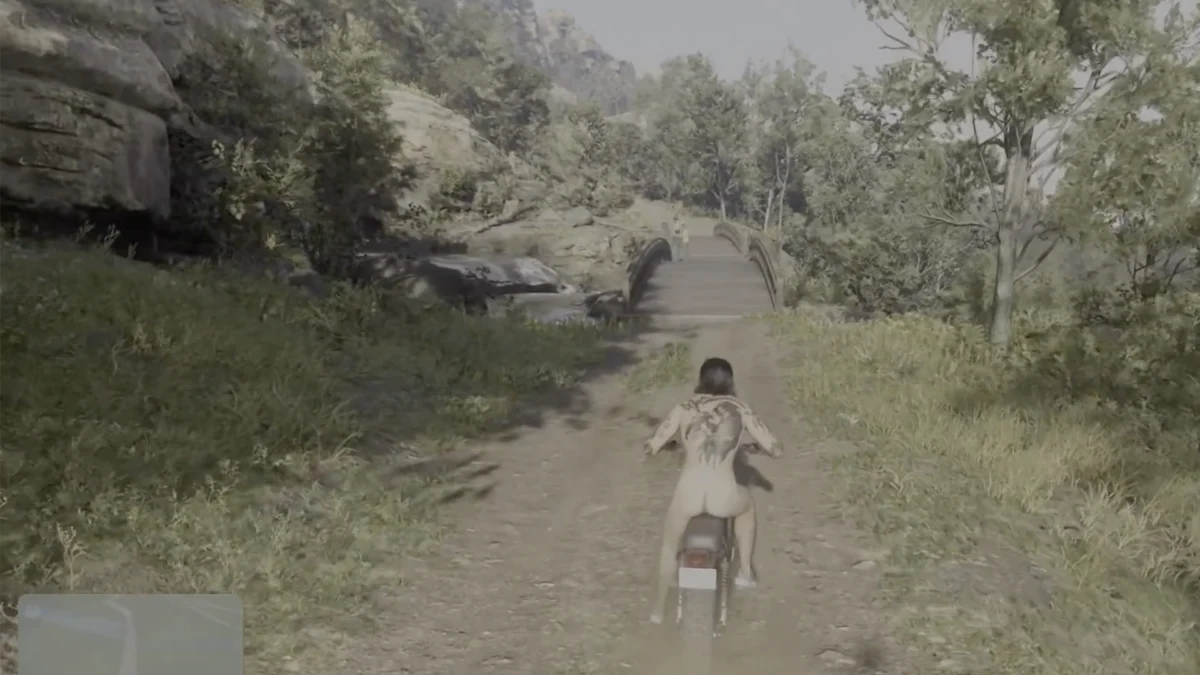
The recent emergence of a 25-minute gameplay video for Grand Theft Auto VI marks a significant escalation in the ongoing security challenges facing Rockstar Games. The footage, disseminated by an entity operating under the moniker “Cyberleek,” provides an unprecedented, albeit unauthorized, look at the upcoming title’s engine, character models, and gameplay loops. From a technical standpoint, the leaked assets appear to be derived from a developer build, showcasing early physics interactions, lighting models, and character navigation systems that deviate from the polished, final consumer release expected next month.
The video displays a wide array of technical artifacts consistent with internal debugging environments. Observers have noted floating environmental objects, non-finalized animation sequences, and placeholder interface elements that are typically stripped out in the final stages of the software development lifecycle. These leaks provide a rare, if ethically fraught, window into the RAGE (Rockstar Advanced Game Engine) architecture. By analyzing the interaction between the player character—modeled as either Jason or Lucia—and the game’s environment, industry analysts can infer significant upgrades to the engine’s handling of crowd artificial intelligence, fluid dynamics, and rendering performance compared to previous installments in the series.
The Narrative and Ethical Pretext of the Leak
Beyond the raw visual data, the leak is packaged within a framework of digital activism. The actor identified as Cyberleek has framed the unauthorized distribution of proprietary code and assets as a form of protest against the industry’s broader shift away from physical media distribution. The manifesto attached to the leaked footage argues that the transition toward mandatory digital-only storefronts diminishes consumer ownership rights. This rhetorical strategy serves as a primary driver for the dissemination of the content, positioning the leak as a political statement against current corporate licensing models.
However, the intersection of this manifesto with financial incentives suggests a more complex motivation. The leaker has directed followers to participate in a memecoin project on the pump.fun platform. This alignment between a high-profile security breach and decentralized financial assets highlights a recurring pattern in modern digital disruptions, where technical vulnerabilities are exploited to gain attention for secondary financial products. This synthesis of protest and market manipulation complicates the narrative, distinguishing it from historical data breaches driven solely by competitive corporate espionage or enthusiast data mining.
Security Protocols and Corporate Containment
Rockstar Games has responded to the situation with rigorous legal and digital containment protocols. Since the initial circulation of the footage, the company has utilized automated copyright enforcement and legal mandates to force the suspension of the identified X (formerly Twitter) accounts and the associated websites hosted by the leaker. These actions are standard procedure for major publishers; however, the persistent nature of these leaks presents an ongoing challenge for digital rights management and secure remote development environments.
The incident highlights the inherent difficulties in maintaining data integrity within modern, large-scale game development teams that often rely on distributed workflows. Even with advanced encryption and network isolation, the “human factor”—the potential for internal access or unauthorized credential usage—remains the primary vector for such leaks. As major titles approach their final release window, the surface area for these security vulnerabilities typically expands, as internal QA teams and external vendors receive access to near-final builds.
Technological Implications for Game Development
For the gaming industry, these leaks serve as a case study in the risks of software development in the age of viral social media. The rapid proliferation of these videos across decentralized networks demonstrates the inadequacy of traditional takedown requests. By the time legal action is taken, the visual data has usually been mirrored across various platforms, effectively making the leaked footage a permanent, albeit unauthorized, part of the public domain.
Technically, these leaks can have adverse effects on the development team’s morale and productivity. The disruption caused by debugging public misinformation—where players misinterpret early engine glitches as definitive, flawed performance—requires significant public relations resources. Furthermore, developers must manage the risk of “feature creep” or negative feedback loops based on incomplete assets. While the industry is accustomed to pre-release scrutiny, the scale and visibility of the current breach demand a reevaluation of how pre-release code is secured during the final, high-pressure sprint toward launch.
The Future of Digital Ownership and Media Distribution
Ultimately, the Cyberleek incident functions as a symptom of broader anxieties regarding the future of digital software. As the industry moves toward service-based delivery, the concern that consumers are merely leasing access to their library, rather than owning it, has become a point of contention. While the illegal distribution of copyrighted material remains the core legal issue, the underlying sentiment regarding the loss of physical preservation resonates with a segment of the gaming community.
As Grand Theft Auto VI approaches its launch date, the industry will be watching to see how these events impact initial reception. Historically, highly anticipated games often experience a “reset” once the legitimate, finalized product is in the hands of the public, typically rendering leaked, low-quality footage irrelevant. However, the precedent set by this breach in terms of both security policy and the weaponization of leaks as marketing tools for unrelated financial projects is likely to remain a focal point for security experts and game publishers for years to come.
Disclaimer: This content is auto-generated for informational purposes only.
Source: Read Original News