






India Issues Sharp Rebuttal to JD Vance Over ‘Indentured Servants’ Remark
New Delhi has delivered an uncharacteristically blunt diplomatic rebuke to US Vice President JD Vance following his inflammatory characterization of Indian H-1B visa holders and foreign tech workers as “foreign indentured servants.” The stinging critique from the Ministry of External Affairs (MEA) marks a significant escalation in bilateral tensions, signaling that India’s patience with recent US policies regarding talent mobility and trade is rapidly reaching its breaking point.
A Diplomatic Clash Over Rhetoric
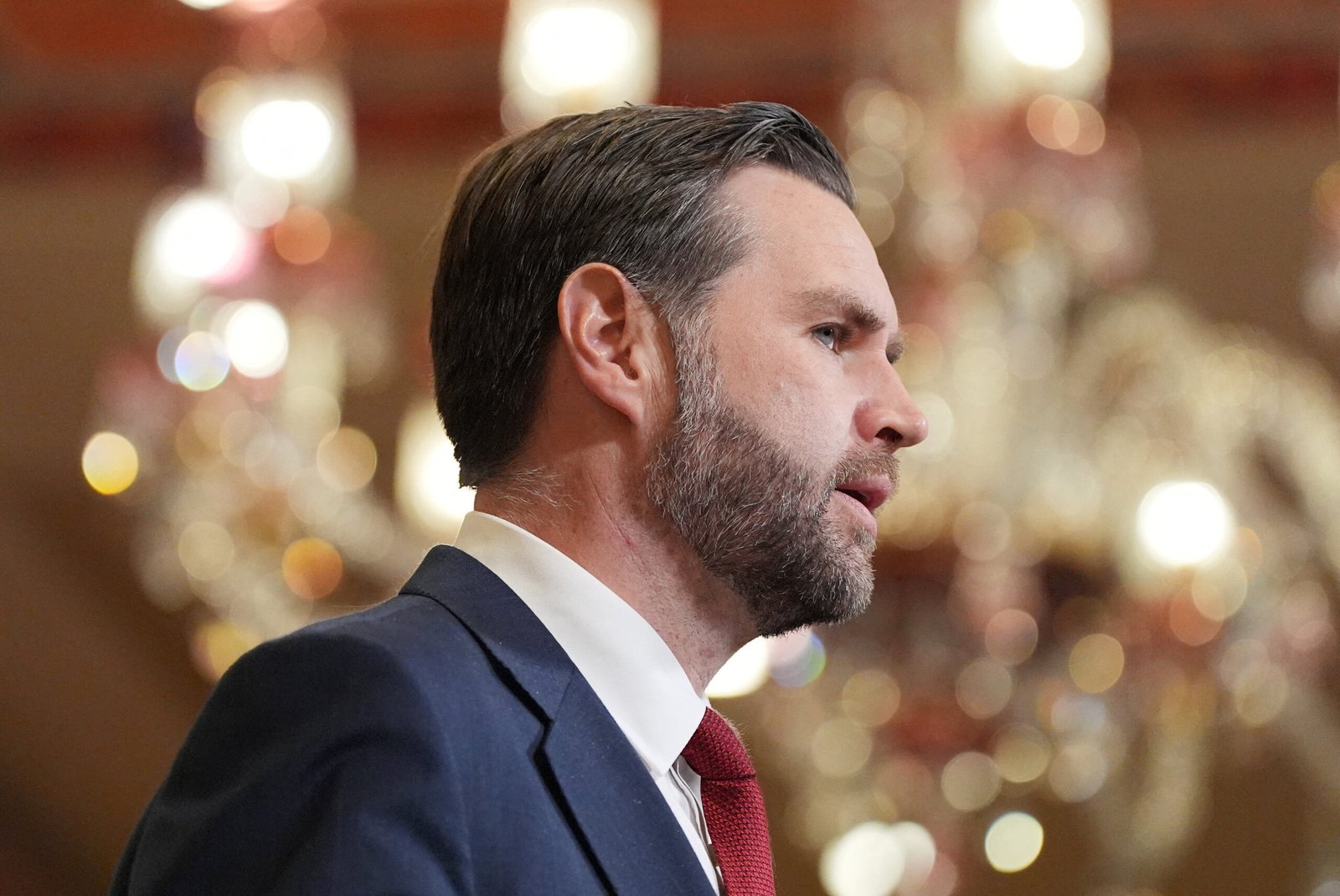
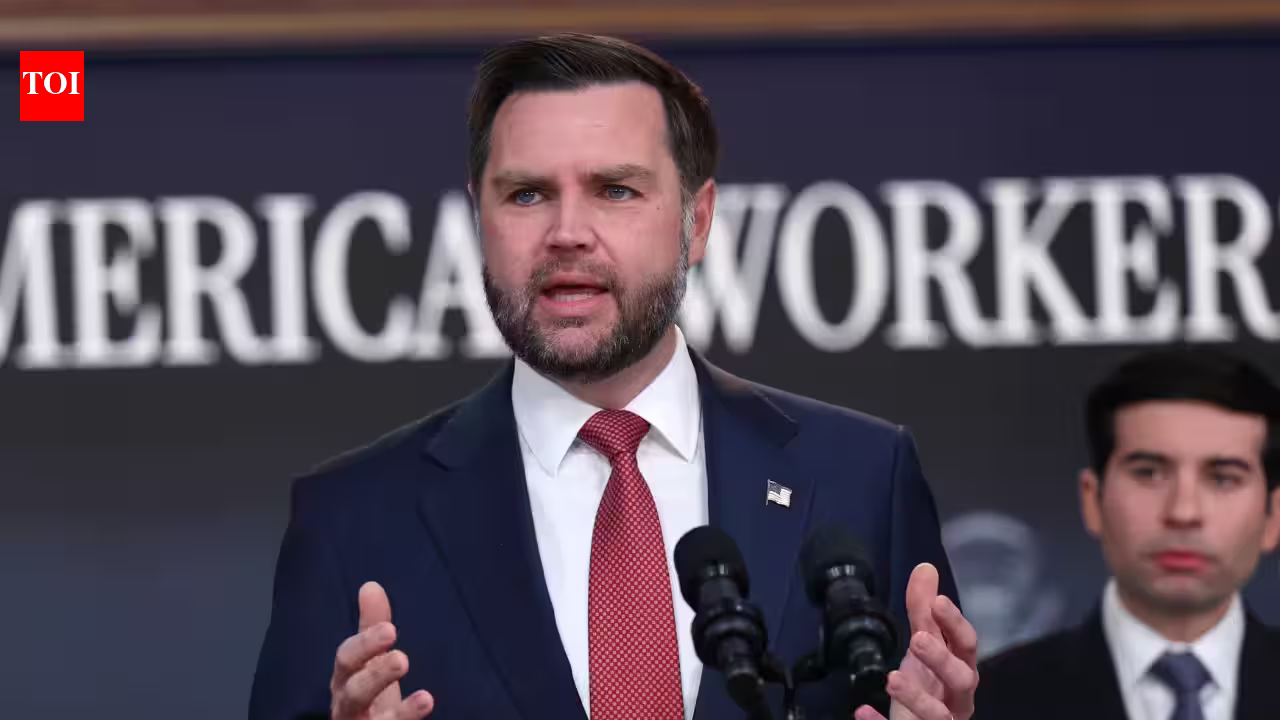
The controversy erupted after the US government announced the suspension of several tech companies—many of which are Indian—from the PERM Green Card program. In a move widely viewed as a play for domestic electoral support, Vice President Vance defended the decision by arguing that American workers should not be replaced by “foreign indentured servants.” He asserted that only “top-tier” international talent, unavailable within the US domestic market, should be granted access to the American workforce.
The MEA categorically rejected this framing, labeling the terminology “deeply offensive” and “unwarranted.” In a formal statement, the government emphasized that such language evokes painful colonial-era connotations and completely ignores the reality of Indian professionals. These individuals, the ministry noted, are highly educated, skilled contributors who have become an integral part of the American innovation ecosystem.
“The history of the United States itself has been shaped by generations of immigrants whose labor, enterprise, and innovation have fueled its growth,” the MEA stated, adding that it would continue to monitor the situation closely.
Strain on the Bilateral Partnership
This heated exchange occurs against a backdrop of mounting friction between New Delhi and Washington. Beyond the immediate controversy over visa policies, India has grown increasingly frustrated by a series of geopolitical and economic setbacks. These include ongoing disputes over trade tariffs, the US administration’s outreach to Pakistan—a move External Affairs Minister S. Jaishankar recently warned would negatively impact India-US relations—and the contentious US Sanctioning Russia and Iran Act of 2026 (SRIA). The SRIA, which could impose 100 percent tariffs on nations importing Russian oil, remains a primary point of contention, having already been the subject of a high-level discussion between Prime Minister Narendra Modi and President Donald Trump.
The Indian government cautioned that the US government’s current policy trajectory fails to serve the shared ambitions of both nations. By framing talent mobility as an “America First” issue, the US risks undermining the mutually beneficial nature of the tech sector, where the flow of talent fosters productivity, research, and shareholder wealth on both sides of the Pacific.
Navigating a Rocky Diplomatic Future
While the MEA clarified that the suspension of the PERM program is distinct from the H-1B visa category—meaning current visa holders are not immediately affected—the policy change still clouds the prospects for permanent residency for thousands of professionals.
The timing of this rhetoric is particularly sensitive. With Prime Minister Modi’s scheduled trip to the US for the G20 summit in December and Secretary of State Marco Rubio’s impending visit to India, both sides face a narrow window to contain the fallout. As New Delhi prepares to raise these concerns at the highest levels, the diplomatic community will be watching to see if the two nations can move past this latest flashpoint or if the “America First” strategy will continue to erode one of the world’s most critical strategic partnerships.
Disclaimer: This content is auto-generated for informational purposes only.
Source: Read Original News