







Nationwide Protests Erupt as 130 Million Names Removed from Indian Electoral Rolls
India is bracing for a wave of political unrest as a massive electoral roll revision, which resulted in the deletion of approximately 130 million names, triggers widespread public outcry. Opposition parties, labor unions, and grassroots movements have coalesced to challenge the integrity of the process, alleging that the Election Commission (EC) has facilitated a systematic disenfranchisement that disproportionately favors Prime Minister Narendra Modi’s Bharatiya Janata Party (BJP).
The tension is set to culminate in a massive rally in New Delhi this Saturday. Organizers, including a coalition of farmers’ unions and the activist movement known as the “Cockroach Janta Party,” are calling for the immediate resignation of Chief Election Commissioner Gyanesh Kumar. While the movement claims their cause represents the defense of democratic participation, local authorities have stated that the demonstration remains unauthorized. Reports from the ground indicate that several prominent protest leaders have already been taken into preventive detention, raising concerns about the state of civil liberties in the country.
A Disputed Clean-Up Operation
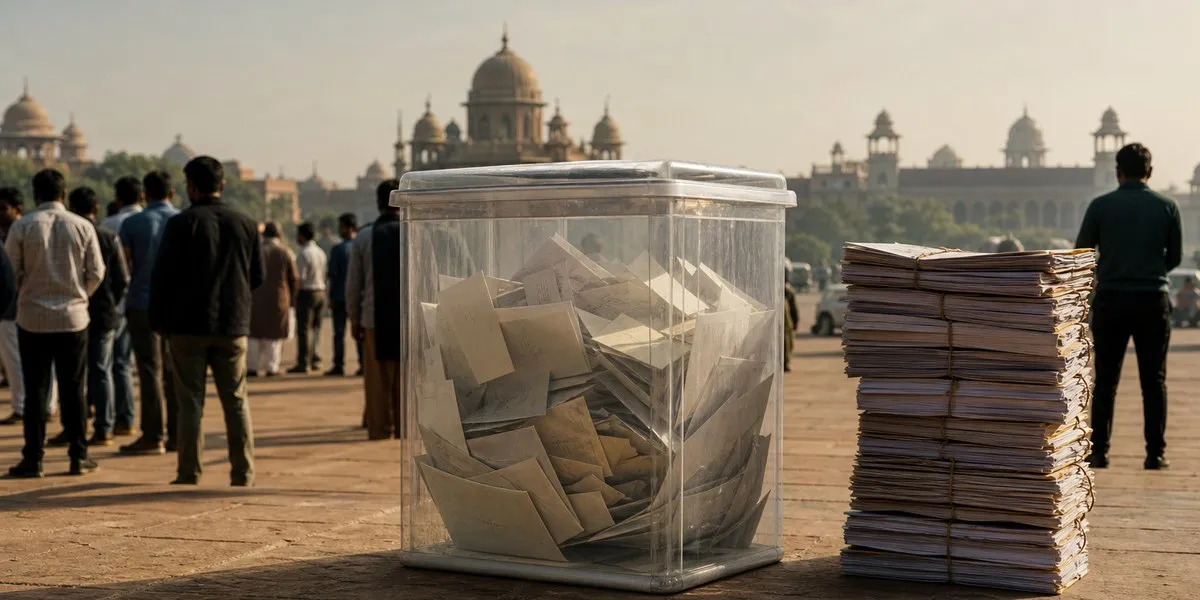
The scale of the deletions has been unprecedented, sparking fierce debate over the transparency of the Election Commission. According to data provided by the EC and supported by the BJP, the removals were a necessary administrative “cleanup” to modernize the voter rolls. The Commission maintains that the 130 million deletions comprised 28 million deceased individuals, 63 million people who have relocated, 10 million duplicate entries, and 30 million residents who could not be verified by field officials.
Government officials emphasize that every removal followed strict protocol, with staff required to document specific justifications for each exclusion. However, the opposition remains unconvinced. The Indian National Congress and other alliance partners have accused the Commission of institutional bias. They argue that the purge has been weaponized against Muslims and other marginalized minority groups who are perceived as being less inclined to support the ruling Hindu nationalist party. The BJP has categorically denied these allegations, attributing its electoral success to the popularity of Prime Minister Modi and the strength of India’s economic growth, rather than administrative manipulation.
Barriers to Participation
The controversy first gained momentum last year during the state elections in Bihar, a key battleground state governed by a BJP-led coalition. In Bihar and West Bengal, numerous citizens arrived at polling stations only to find their names absent from the rolls, rendering them unable to cast their ballots. Critics argue that the appeal process is intentionally labyrinthine and bureaucratic, effectively stripping millions of their constitutional right to vote through administrative attrition.
In light of the escalating pressure, the Election Commission has attempted to soothe public frustration by announcing procedural adjustments. Officials have promised to conduct door-to-door verification to assist those missing from the lists, and in some regions, deadlines for final review are being extended. Despite these concessions, the shadow of the upcoming 2026 electoral cycle looms large. With seven states slated to hold elections next year—including Uttar Pradesh, the nation’s most populous state—the stakes for electoral integrity are at an all-time high. Recent data suggests that in Uttar Pradesh alone, 13% of names were removed from the rolls since the audit began in October 2025, a statistic that continues to fuel the skepticism of voters and opposition leaders alike.
Disclaimer: This content is auto-generated for informational purposes only.
Source: Read Original News