






US Ban on Major Indian Tech Firms Sparks Diplomatic and Economic Friction
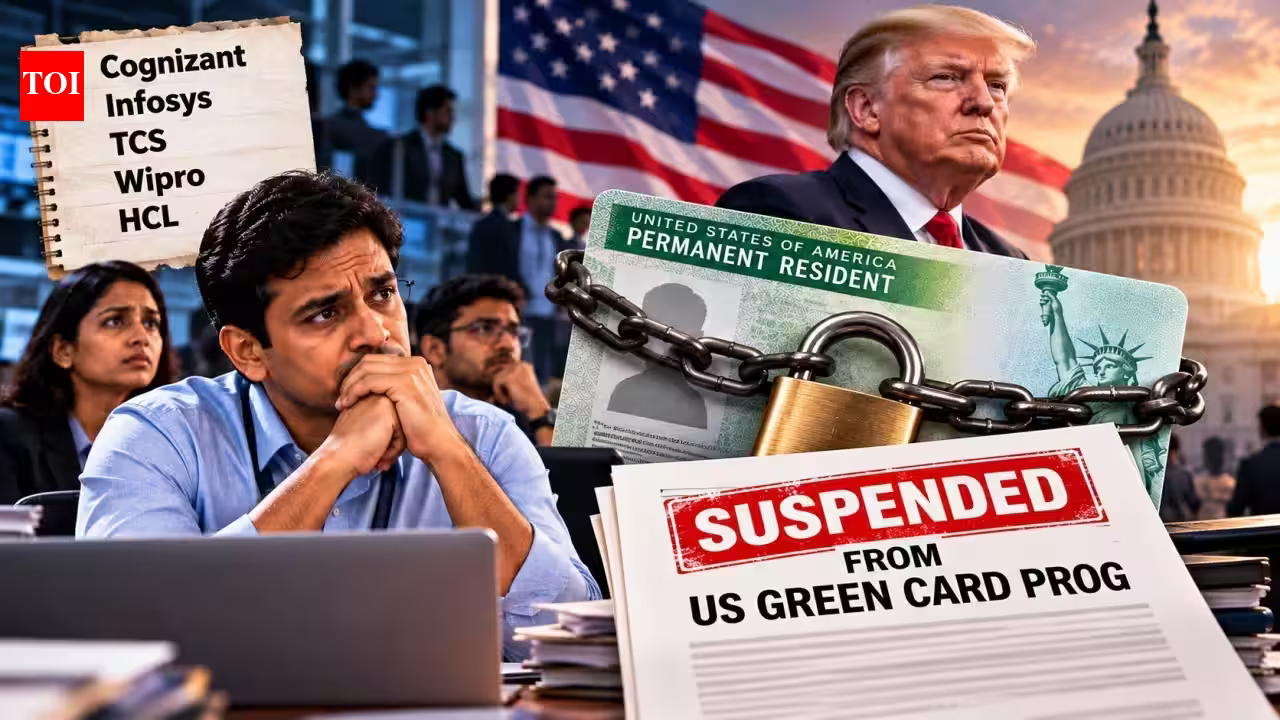
The recent decision by the United States to prohibit several prominent Indian IT giants—including Infosys, Tata Consultancy Services (TCS), Wipro, HCL, and Cognizant—from recruiting Indian technology professionals for stateside deployment has sent shockwaves through the global tech ecosystem. The move, which effectively restricts these firms’ ability to utilize the H-1B visa program, represents a significant shift in U.S. immigration policy and has drawn sharp criticism from New Delhi.
Ministry of External Affairs Challenges Washington’s Rhetoric
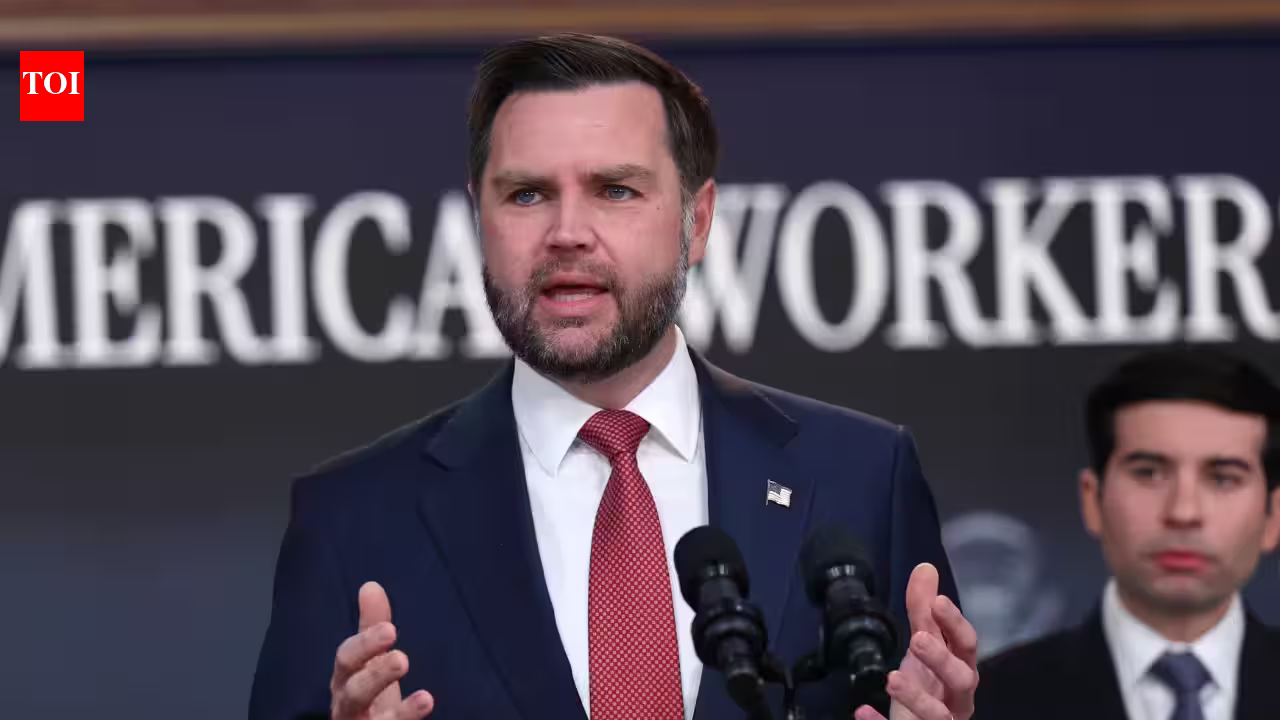
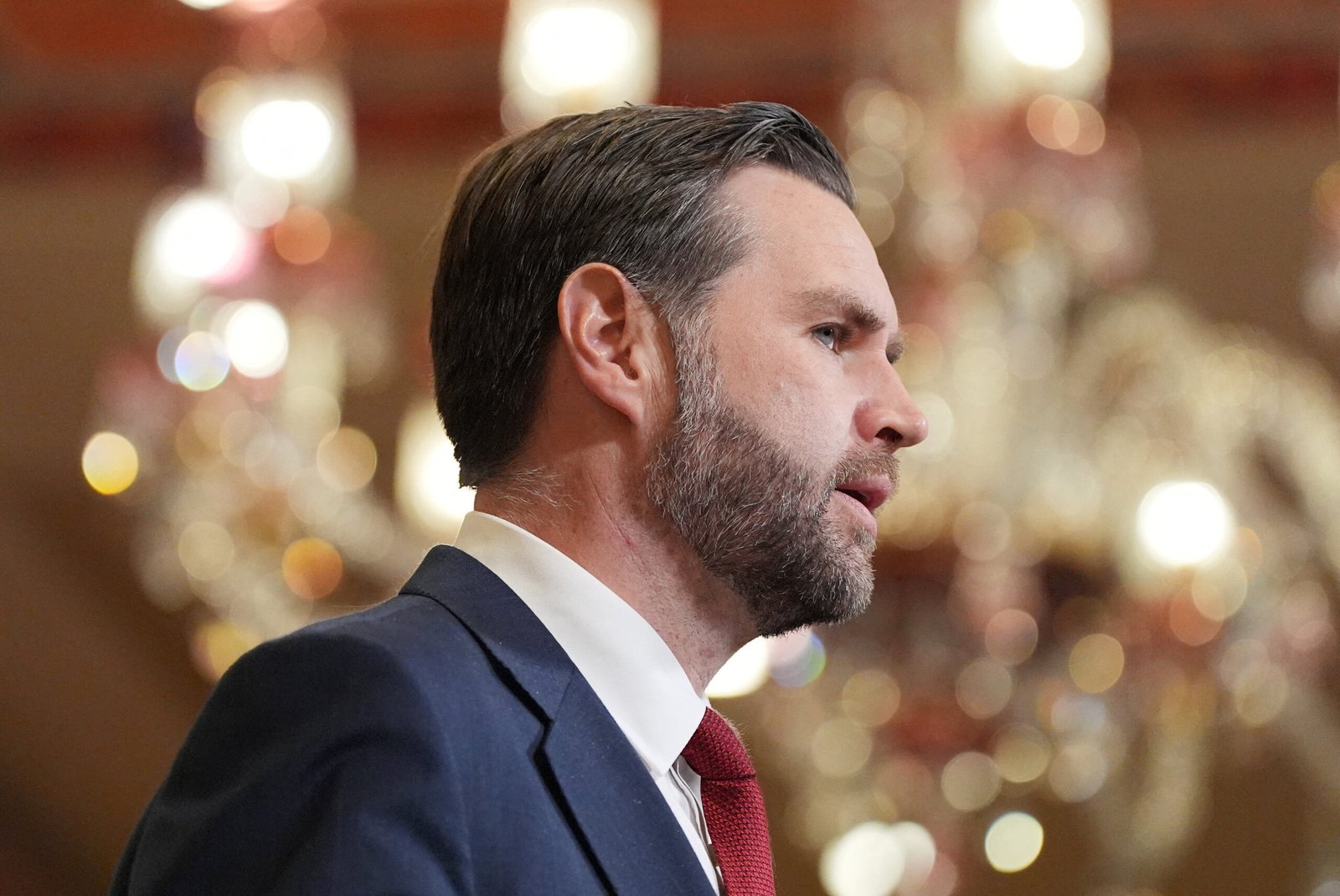
India’s Ministry of External Affairs (MEA) has voiced strong opposition to the rhetoric employed by U.S. officials regarding the measure. Specifically, the ministry took issue with U.S. Vice President JD Vance’s recent characterization of Indian tech workers as “foreign indentured servants.”
New Delhi dismissed this description as both inaccurate and inflammatory, noting that such terminology invokes painful colonial-era connotations. The ministry emphasized that the Indian workforce has been a cornerstone of American innovation and economic growth for decades. While the government clarified that current H-1B visa holders will not see their existing statuses revoked, it acknowledged that the ban creates significant uncertainty for the long-term green-card pathways of many skilled professionals.
Industry Pushback: NASSCOM and Local Hiring
Industry body NASSCOM has come to the defense of the targeted firms, highlighting that Indian tech companies have been steadily decreasing their reliance on temporary work visas. Over the past several years, these corporations have pivoted toward “localizing” their operations, investing heavily in the recruitment and training of American citizens.
NASSCOM stressed that Indian firms remain committed to complying with U.S. labor laws and that the current restrictions unfairly target companies that have been instrumental in maintaining the competitive edge of American businesses. By curbing the mobility of global talent, critics argue, the U.S. may inadvertently harm its own domestic tech infrastructure.
A Call for Talent to Return Home
The fallout has triggered a broader debate regarding the future of the Indian tech diaspora. PanIIT Alumni India, representing graduates from the prestigious Indian Institutes of Technology, has issued a rallying cry to the community. In a statement posted to social media, the organization urged its members to reconsider the “uncertain ground” of foreign visa-dependent careers.
The organization pointed to the rapid maturation of India’s domestic tech ecosystem, which now offers research opportunities, deep-tech infrastructure, and venture capital that were previously exclusive to Silicon Valley. Their message is clear: the era of the “brain drain” is being challenged by a “brain gain” narrative, inviting professionals to help scale businesses within India.
Populism vs. Economic Reality
Former Indian Foreign Secretary Kanwal Sibal has framed the U.S. action as a byproduct of domestic political populism. Sibal questioned the logic of the move, noting that the U.S. continues to face a critical shortage of homegrown STEM graduates. He challenged the premise that local talent can seamlessly replace the specialized expertise provided by Indian professionals.
As Washington pushes forward with this protectionist stance, analysts are watching closely to see if the U.S. will conduct an audit of how many local workers are actually displaced by foreign labor—or if this policy is simply a political maneuver that ignores the integrated nature of the modern global economy. For now, the move places a strain on U.S.-India professional ties, leaving thousands of workers and several multi-billion dollar companies in a state of high-stakes limbo.
Disclaimer: This content is auto-generated for informational purposes only.
Source: Read Original News