







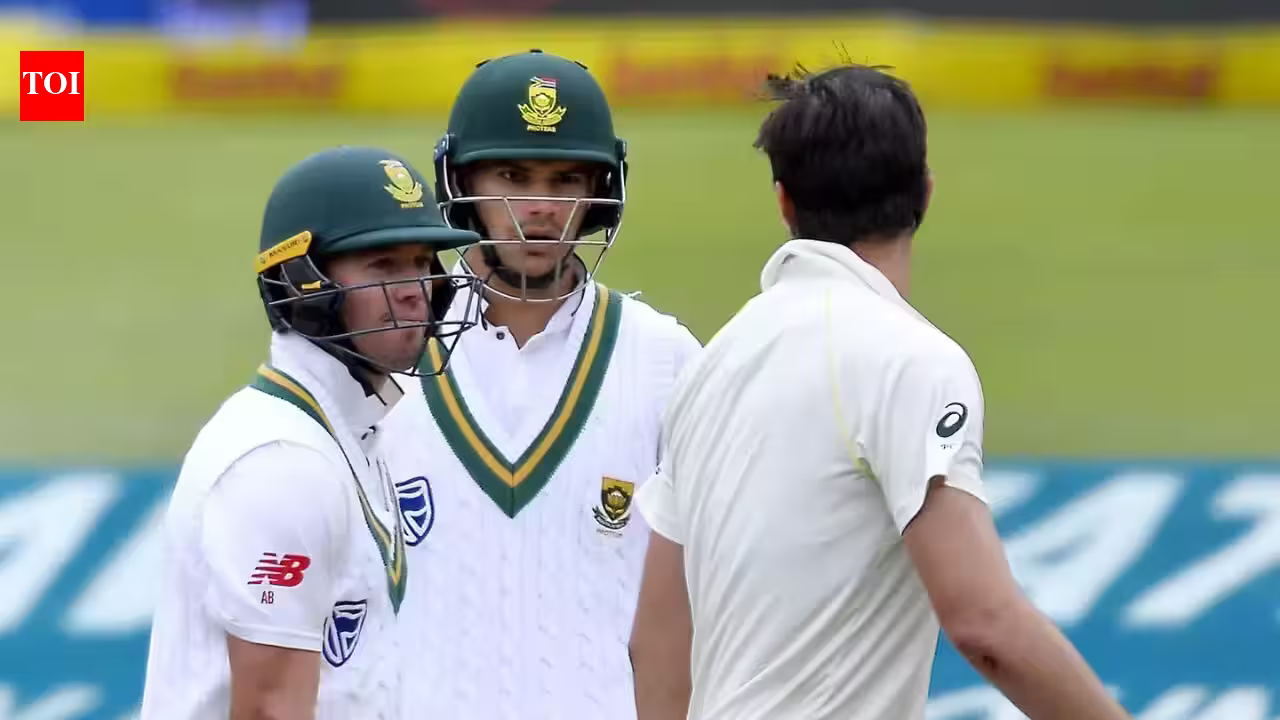
Durban stands as the stage for a high-stakes renewal of cricket’s most bitter modern rivalry. As Australia and South Africa square off at Kingsmead for the opening clash of their three-Test series, the atmosphere is thick with the weight of history. These two nations, currently occupying the top two spots in the World Test Championship standings, arrive in South Africa with the Proteas holding the psychological edge as defending champions—a title earned by toppling the Australians in the previous cycle’s final.
Yet, for all the current tactical maneuvering and championship implications, the shadow of March 2018 looms over the proceedings. The Cape Town Test, an event etched in the sport’s darkest annals, forever altered the trajectory of Australian cricket. As the teams take the field today, the narrative arc has shifted significantly. Of the infamous trio at the heart of the “Sandpapergate” scandal—Steve Smith, David Warner, and Cameron Bancroft—only Smith remains in the current Australian setup. With Warner retired and Bancroft long removed from the national conversation, the ghosts of 2018 are fading, but the story of how they were unmasked remains one of the most remarkable technical coincidences in sports broadcasting history.
The “Fluke” that Changed Cricket
For years, speculation regarding the orchestration of the 2018 scandal suggested a grand surveillance operation by broadcasters. However, Alvin Naicker, the man who oversaw the SuperSport live broadcast from Newlands that fateful Saturday, has finally peeled back the curtain on what he describes as an “absolute fluke.”
According to Naicker, there was no pre-meditated witch hunt against the Australian “leadership group.” While the series had been marked by rising tensions, the broadcasting crew was simply doing its job: telling the story of the game during the inevitable lulls of Test cricket.
“The way the Australians were caught was an absolute fluke,” Naicker told the BBC. “Coverage of rugby and football is very coordinated. It’s camera one and two, then when the ball is dead you tell the story with close-up shots. Because cricket has so much dead time, there is a lot more storytelling. There are between 80 and 100 people coming together and putting the story together in a matter of seconds, coordinated by the director.”
On that afternoon, the camera operator stayed with Cameron Bancroft long after the action had moved on, simply because he was observing the batter’s peculiar behavior. It was a choice that changed everything.
Caught in the Lens
The precision of the unmasking was a masterpiece of serendipity. Naicker recalls that the cameraman didn’t move his lens when the ball went to the wicketkeeper, choosing instead to track Bancroft’s movements.
“The ball went to the wicketkeeper, then to Bancroft and he was shining the ball,” Naicker explained. “First it was on his pants, then the next ball, the cameraman happened to stay on Bancroft because he was not shining the ball on his pants, but he was rubbing the ball on his palm. When he threw the ball on, he put his hand in his pocket. The cameraman—and these are big, big lens cameras—he zoomed into his pocket.”
The slow-motion operator, noticing the suspicious movement, spooled the footage back and forth, zooming in further until the infamous yellow object—the sandpaper—was clearly visible. Once the footage hit the stadium’s big screen, the panic was immediate.
“When Bancroft looked up at the screen and saw it, he removed it and put it in his jocks,” Naicker recounted. “The cameraman recorded it. It still wasn’t live, we played a replay.”
The Aftermath and the Legacy
The fallout was swift and seismic. The footage served as the smoking gun for a scandal that forced a total culture reset in Australian cricket. Steve Smith, then captain, was stripped of his leadership and handed a 12-month ban from all international and domestic cricket. David Warner faced an identical ban and a permanent prohibition on future leadership roles. Cameron Bancroft, the man caught red-handed, served a nine-month suspension.
For Smith, the memory of that breakdown in front of the world—the tears and the public admission of guilt—remains a haunting footnote to a decorated career. Yet, here he is, years later, still anchoring the Australian batting order as they look to dethrone the South Africans on their home soil.
As the match at Kingsmead progresses, the focus is rightfully on the present: WTC points, swing bowling, and the pressure of a hostile home crowd. But for those who remember the events of 2018, the match serves as a reminder of the thin line between professional triumph and total disgrace. It was a moment where the lens of a camera, guided by the instinct of an operator, brought an entire cricketing culture to its knees. Whether Australia can secure victory in this series remains to be seen, but they do so knowing that every move they make is under the same high-definition scrutiny that defined, and ultimately destroyed, a generation of their leadership.
Disclaimer: This content is auto-generated for informational purposes only.
Source: Read Original News