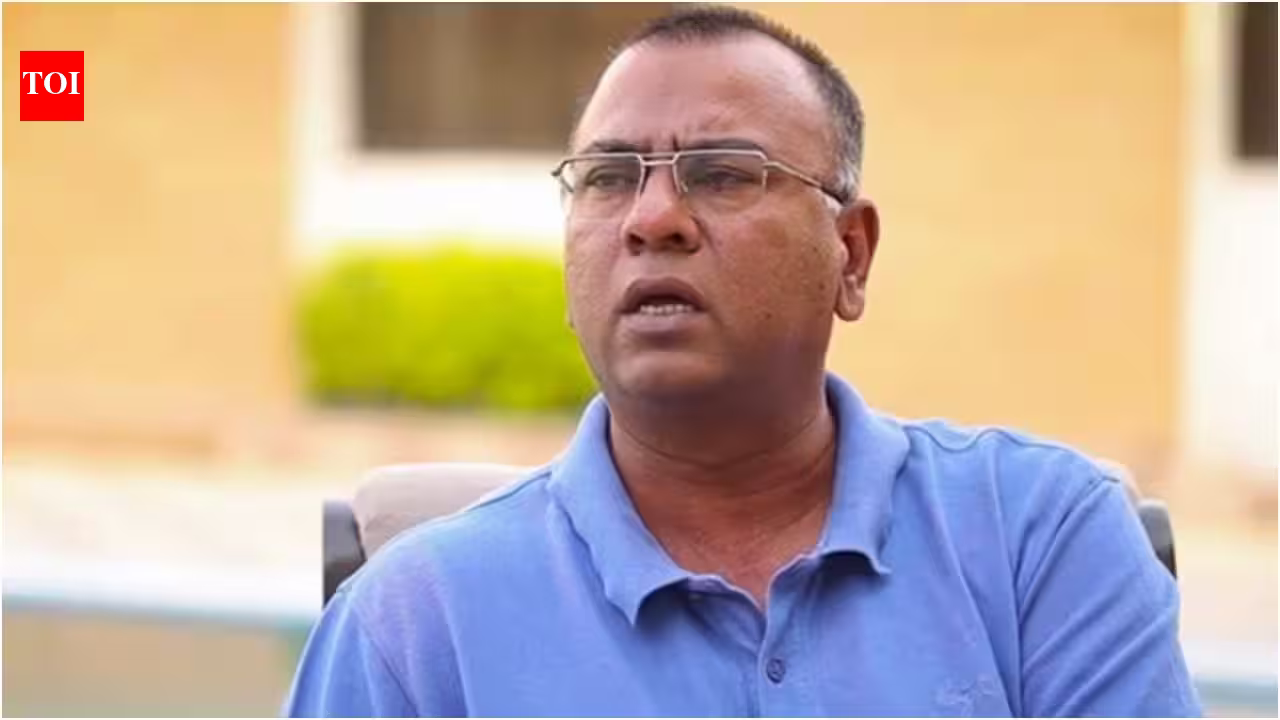








In the glossy, high-stakes world of Bollywood, the Pataudi family is often defined by its regal lineage, cinematic pedigree, and the impeccable public presence of stars like Saif Ali Khan and Soha Ali Khan. Yet, away from the glaring spotlights and the red carpet circuit, there exists a narrative of resilience that is far more grounding. Saba Pataudi, the family’s jewelry designer and relatively low-profile member, has recently stepped into the conversation to share a harrowing chapter of her past—a battle against a brain tumour that arrived with the terrifying suddenness of a lightning strike.
### A Life-Altering Blackout
For many, the narrative of a health crisis begins with gradual symptoms—a lingering fatigue, a dull headache, or subtle changes in mood. For Saba, the reality was starkly different. At just 27 years old, while her life was unfolding with all the vibrancy of youth, the ground literally shifted beneath her.
During a deeply personal and vulnerable exchange on Soha Ali Khan’s podcast, Saba recounted the day that changed everything. She was out with a friend, feeling physically off, though she initially dismissed it as a stomach ailment—a common vulnerability for her. In a matter of seconds, the world went dark. She collapsed on the road outside her building, a terrifying blackout that left her disoriented. Even as she regained consciousness, the haze remained, and the unsettling realization that something was fundamentally wrong began to set in. This wasn’t a case of low blood pressure or a reaction to bright lights; it was the onset of a life-threatening medical emergency that would force her into the sterile, high-pressure world of neurosurgery.
### The Anatomy of a Diagnosis
The path to understanding what was happening inside her brain was not immediate. After the fainting spell, a series of medical consultations led to an MRI, which revealed a shadow in the third ventricle of her brain. Doctors initially theorized it was a colloid cyst, a type of growth that interferes with the circulation of cerebrospinal fluid.
However, the definitive truth didn’t emerge until six months later, following a complex surgery. The growth was identified as a pilocytic astrocytoma—a slow-growing, benign brain tumour. While the term “benign” often carries a sense of relief, the reality of having a mass in one’s brain is anything but comforting. For a 27-year-old, the prospect of brain surgery is a monumental shift in reality. As Saba put it, “Your life suddenly goes numb. One day you’re fine, and the next day you’re told that you’re going to have brain surgery.”
### The Fear of Dependency
One of the most poignant aspects of Saba’s story is her visceral reaction to the loss of autonomy. When confronted with the necessity of surgery, her primary concern wasn’t just survival; it was the preservation of her independence. The fear of becoming a “vegetable” or needing constant care for basic human functions weighed heavily on her.
It is a common, yet rarely spoken, fear among those facing neurological procedures—the idea that the very essence of who they are could be altered or stripped away. Her resolve to remain independent became a driving force in her recovery. Despite medical advice that suggested she could theoretically wait up to two years to monitor the growth, Saba’s intuition told her otherwise. Having fainted twice, she refused to play a waiting game with her own consciousness. She chose to face the surgeon’s knife head-on, refusing to live in the shadow of the unknown.
### The “All-or-Nothing” Mindset
Post-surgery, Saba’s temperament revealed a surprising, almost warrior-like tenacity. During her recovery, when the possibility of radiation was discussed as a secondary measure, she famously pushed back, asking the medical team to simply finish the job then and there. It was a reaction borne of exhaustion—a desire to “finish it” and move forward without the lingering anxiety of pending treatments.
It took the calm, rational authority of her surgeon to ground her. He reminded her that medicine isn’t about being proactive for the sake of completion; it is about necessity. That exchange with her mother, Sharmila Tagore—who looked on with understandable bewilderment at her daughter’s fierce, impatient desire to be “done” with the ordeal—captures the raw, human element of the trauma. It wasn’t just about the tumour; it was about reclaiming control over a narrative that had been hijacked by fate.
### Why Silence is No Longer an Option
Perhaps the most important takeaway from Saba Pataudi’s revelation is her motivation for sharing such a private trauma years later. In a culture that often encourages people to hide their vulnerabilities—especially those in the public eye—Saba’s choice to speak out serves as a vital bridge. She believes that personal stories are not just biographical tidbits; they are lanterns for others walking in the dark.
She acknowledges that people often shy away from seeking medical help due to the fear of judgment or the stigma surrounding “illness.” By demystifying her journey—the fear, the crying, the uncertainty, and the ultimate recovery—she hopes to empower others to advocate for themselves when their bodies signal that something is wrong.
Saba Pataudi’s experience reminds us that behind the surname and the history, there are humans who face the same fragility as anyone else. Her journey from a terrifying collapse on a city street to her life today is a testament to the fact that while we cannot always control the warnings we receive, we can absolutely control how we face the outcome. By choosing to share her truth, she has turned a private medical battle into a source of public strength.
Disclaimer: This content is auto-generated for informational purposes only.
Source: Read Original News