







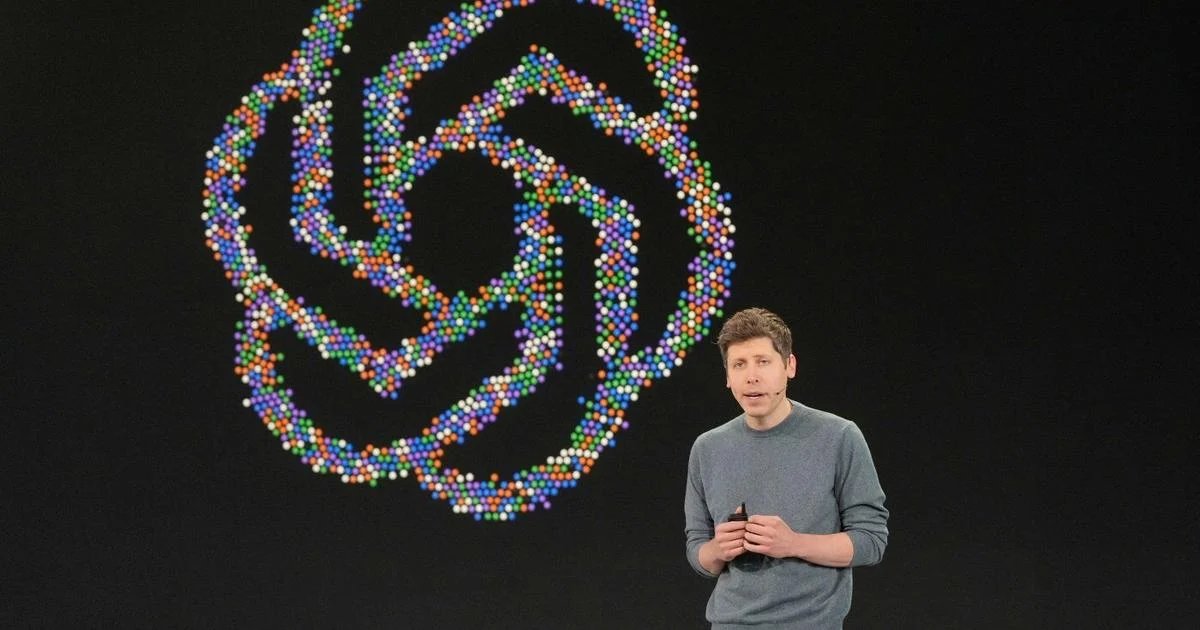
LONDON (AP) — OpenAI, the prominent force behind ChatGPT and a major partner in Microsoft’s AI-integrated search ecosystems, has ignited a firestorm within the tech industry following the abrupt termination of three prominent safety researchers. The company confirmed on Friday that the employees were let go due to a “breach of trust,” a move that has intensified ongoing debates regarding the ethical oversight of powerful generative AI models.
The firings arrive at a precarious time for OpenAI, which continues to position itself at the center of the global artificial intelligence race, directly competing with Google’s Gemini platform and various open-source initiatives. While the specific nature of the “breach” remains shielded by internal confidentiality policies, the former staffers had been vocal advocates for more rigorous safety guardrails, suggesting the company was prioritizing rapid deployment over cautious, responsible development.
## The Conflict Between Profit and Precaution
At the heart of the dispute is the tension between aggressive innovation and long-term societal safety. For months, critics have argued that the pressure to maintain a lead over rivals like Google, Meta, and Anthropic is causing industry giants to bypass critical safety testing. The terminated researchers reportedly expressed concerns that OpenAI’s push toward more advanced models—such as the recent iterations of the GPT-4 architecture—could pose unforeseen risks if released without sufficient oversight.
OpenAI’s leadership has consistently defended its approach, claiming that their methodology involves iterative deployment, which allows them to identify and mitigate safety risks as they emerge in real-world scenarios. However, this philosophy has led to a significant “brain drain” at the company, with several senior safety-focused executives and researchers departing over the last year. This latest wave of dismissals has prompted fresh calls from lawmakers and technology ethicists for standardized, industry-wide safety protocols that exist independently of corporate mandates.
## AI Integration and the Search Engine War
The internal strife at OpenAI also holds implications for the broader tech landscape, particularly the battle for dominance in search. Google has integrated its Gemini AI directly into its search engine, attempting to redefine how information is retrieved. OpenAI is similarly expanding its reach into search-oriented AI, hoping to disrupt the traditional ad-driven search model.
As these companies compete to build the next generation of AI-powered assistants, the stability of their research divisions has become a matter of public interest. Investors and users alike are increasingly wary of the risks associated with “hallucinating” AI or models that may inadvertently disseminate harmful misinformation. If companies are perceived as stifling internal dissent regarding safety, it could trigger a decline in user trust, which remains the primary currency for search providers like Google and OpenAI.
## Moving Toward Industry-Wide Governance
Beyond the specific situation at OpenAI, the incident underscores the need for clearer governance frameworks. Tech industry analysts suggest that relying on the benevolence of private AI corporations to police their own safety standards may no longer be a sustainable model.
As Google continues to roll out AI updates across its Workspace and Cloud platforms, and as OpenAI pushes toward the development of Artificial General Intelligence (AGI), the industry is facing mounting pressure to move toward external audits. Regulatory bodies in both the European Union and the United States are currently scrutinizing the methodologies used to train large language models.
Ultimately, the firing of these three researchers serves as a lightning rod for a larger industry problem: how to maintain the breakneck speed of AI progress without sacrificing the safety standards required to protect the public. For the tech giants, the coming months will likely be defined by their ability to balance these conflicting priorities while maintaining the internal culture required to attract and retain the world’s best scientific talent.
Disclaimer: This content is auto-generated for informational purposes only.
Source: Read Original News