







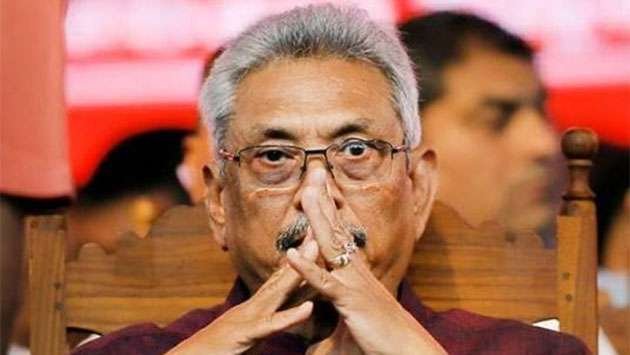
COLOMBO – Former President Gotabaya Rajapaksa has escalated his legal battle to avoid potential arrest, formally filing an appeal with the Supreme Court of Sri Lanka today. The move follows a significant setback earlier this month when the Court of Appeal summarily dismissed his writ application concerning the ongoing investigation into the 2019 Easter Sunday terror attacks.
The legal saga began on October 1, when the Court of Appeal rejected the former President’s application at the initial stage. Crucially, the court opted to dismiss the petition without issuing formal notices to any of the respondents, effectively signaling that the court found no immediate legal grounds to grant the protection he sought.
In the fresh petition lodged with the Supreme Court, Mr. Rajapaksa is mounting a direct challenge against the legality of the Court of Appeal’s dismissal. He is urging the apex court to overturn that decision and grant a protective order—specifically a writ of prohibition—that would restrain law enforcement agencies from arresting him in connection with the Easter Sunday bombings. The 2019 attacks, which targeted multiple churches and luxury hotels, remain a sensitive and highly contentious issue in Sri Lankan politics, with various investigations probing the extent of governmental negligence and potential administrative failures leading up to the tragedy.
The former President has named a high-profile list of respondents in his Supreme Court appeal, including the Inspector General of Police (IGP) Priyantha Weerasooriya, the Director of the Criminal Investigation Department (CID) Shani Abeysekera, the Officer-in-Charge of the CID’s Special Investigations Unit, and the Attorney General. By bringing these entities to the Supreme Court, Mr. Rajapaksa is signaling his intent to contest the investigative trajectory being pursued by the CID under the current administration.
The filing of this appeal marks a pivotal moment in the legal proceedings surrounding the former leader, who resigned and fled the country amidst widespread civil unrest in 2022 before returning later that year. Since his return, he has faced mounting scrutiny from investigators and civil society groups demanding accountability for his tenure.
Legal analysts note that the Supreme Court’s decision on whether to grant the request for a stay on his arrest will be closely watched by both his political supporters and the families of the victims of the Easter Sunday carnage, who have long campaigned for a comprehensive investigation into the highest levels of the state.
As the matter moves toward a formal hearing, the legal teams for both the state and the former President are expected to prepare extensive arguments regarding the scope of executive immunity and the limits of judicial intervention in ongoing criminal investigations. For now, the legal system remains at a standstill as the nation awaits a signal from the Supreme Court on the future of the inquiry.
Disclaimer: This content is auto-generated for informational purposes only.
Source: Read Original News