








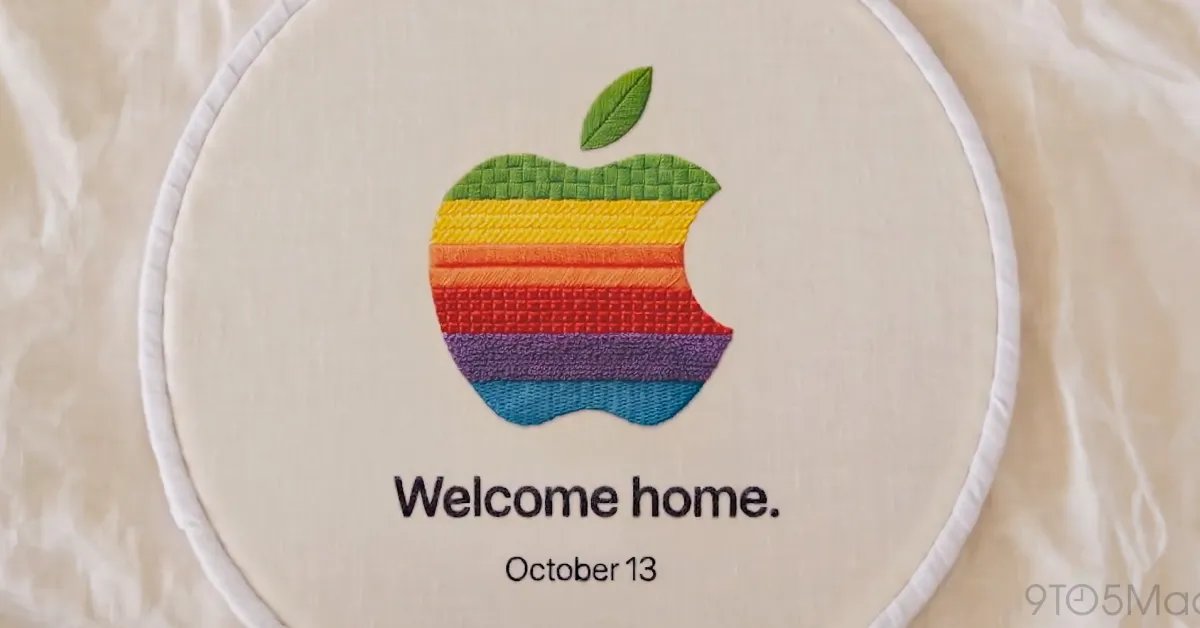
Apple has officially scheduled a product launch event for October 13, signaling a significant shift in its strategy toward the smart home ecosystem. Tagged with the theme “Welcome home,” the event aims to consolidate the company’s fragmented home technology into a cohesive, intelligence-driven platform. While the company maintains its typical secrecy, industry analysis and leaks suggest a substantial hardware refresh focused on automation, centralized control, and artificial intelligence integration.
The Emergence of the HomePad
The centerpiece of the upcoming event is widely expected to be a new smart display device, currently referred to as the “HomePad.” This hardware represents Apple’s attempt to establish a dedicated command center for the modern household. Design specifications indicate a 6-inch square display mounted on a half-dome base, connected via a metal arm that evokes the aesthetic of the classic iMac G4.
This device is designed to function as the primary interface for Apple Intelligence and Siri. Beyond basic controls, the HomePad aims to enhance personalization through advanced user recognition. By identifying specific individuals within a household, the device can adjust its interface to show relevant information, such as calendars, reminders, or media controls, tailored to the specific person in proximity. The software environment is expected to be a hybrid, borrowing visual elements from the Apple Watch for quick-glance data, the iPad for application navigation, and the iPhone’s StandBy mode for high-utility, ambient display capabilities.
Advancements in Apple TV 4K
The Apple TV 4K is slated for its first major update since late 2022. While the exterior design is expected to remain consistent with current models, the internal architecture will receive a significant upgrade. Industry reports suggest the inclusion of the A19 or A19 Pro chip, providing the necessary processing power to run local generative AI models.
This silicon upgrade is intended to bring Apple Intelligence features to the television interface, potentially allowing for more natural language voice commands, smarter content recommendations, and enhanced search capabilities. Furthermore, software references suggest a new audio functionality that would allow users to configure four full-sized HomePods into a synchronized surround sound array. This would represent a significant expansion for home theater enthusiasts who rely on Apple’s ecosystem for integrated media playback.
HomePod Mini 2 and Hardware Upgrades
The compact speaker segment is also set for a long-awaited refresh with the introduction of the HomePod mini 2. The primary technical improvement will be the transition from the aging S5 processor to a modern, high-speed chip architecture. This change is critical, as it enables the device to handle local AI processing, facilitating faster and more accurate voice interactions through Siri.
In addition to internal performance improvements, the HomePod mini 2 is anticipated to arrive in an expanded color palette, including refreshed pink, white, green, blue, and black finishes. By upgrading the chip, Apple ensures that its most accessible home speaker remains compatible with the more demanding requirements of its evolving software ecosystem, bridging the gap between simple audio playback and intelligent household management.
Collaborative Smart Home Expansion
Beyond its primary hardware, Apple is reportedly pursuing a “second-party” strategy to bolster its HomeKit ecosystem. Collaboration with LG is currently underway to co-develop a series of specialized smart home accessories. These products are expected to include smart locks, precision thermostats, advanced video doorbells, and security cameras designed for seamless integration with Apple’s home framework.
While these products may not hit store shelves immediately upon the event’s conclusion, they signal a broader ambition. By leveraging partnerships to ensure high-quality, reliable hardware, Apple seeks to minimize the compatibility issues that often plague third-party smart home devices. This strategy serves to strengthen the overall value proposition of the HomeKit standard, providing users with a comprehensive suite of hardware that is verified to function reliably within the Apple environment.
The Strategic Shift
The October 13 event serves as an acknowledgement that the smart home category has become a major theater of competition. By centering the “Welcome home” theme on intelligence and hardware integration, Apple is attempting to move beyond the limitations of its previous smart home offerings. The transition from simple connected devices to a platform driven by Apple Intelligence suggests a more proactive approach to home management, where the technology anticipates user needs rather than just awaiting commands.
Investors and consumers alike will be watching closely to see how these devices interact as a unified system. With the convergence of new processing power, a dedicated smart display, and a more robust accessory lineup, the company is positioning itself to become the central nervous system of the modern, connected home. The event will ultimately reveal how effectively the company can balance its traditional emphasis on design with the complex technical requirements of a sophisticated, AI-driven household.
Disclaimer: This content is auto-generated for informational purposes only.
Source: Read Original News