








The Intersection of Consumer Robotics and Avian Observation
The market for smart home peripherals has expanded beyond security cameras and doorbells, reaching into the backyard with devices like the Kiwibit Bird Feeder 2 Pro. This category of consumer hardware integrates high-definition optical sensors with artificial intelligence to transform casual bird watching into a data-driven pursuit. By utilizing 4K HDR video capture and onboard machine learning models, these devices allow users to automate the identification of local wildlife, bridging the gap between recreational observation and citizen science.
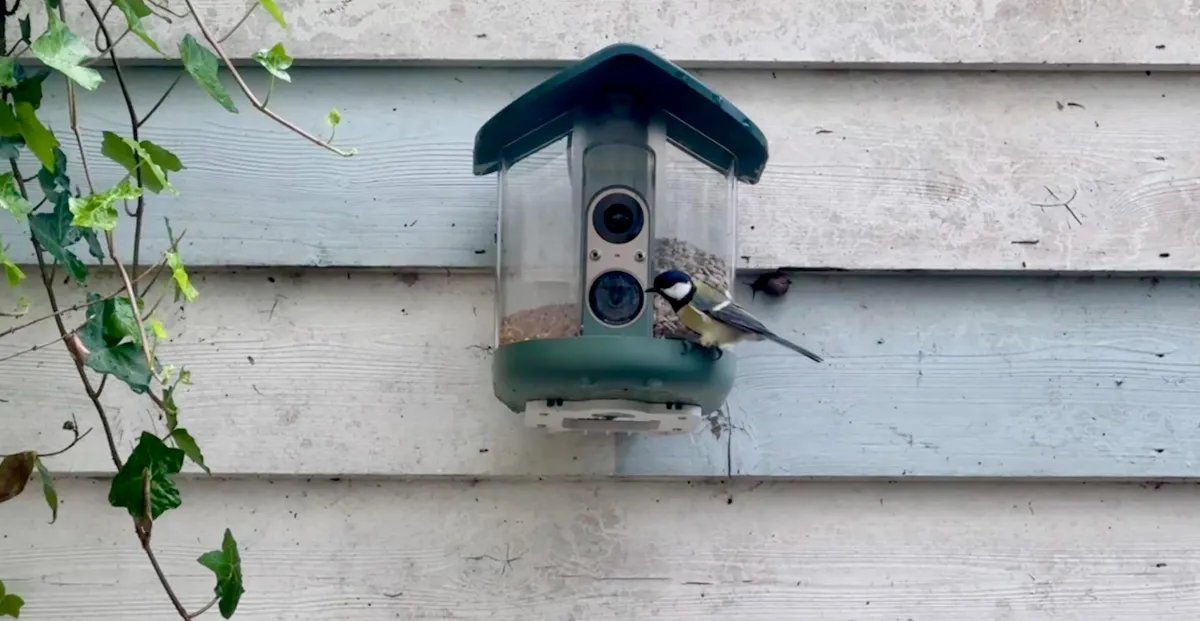
The hardware configuration of a modern smart feeder typically includes a wide-angle lens, weather-resistant housing, and integrated solar panels to maintain constant battery charge. The Kiwibit model, priced at $269, exemplifies this standard. It pairs a sophisticated camera system with an application that acts as a digital logbook. When a bird lands on the perch, the device triggers an image capture, processes the visual data against a database of avian species, and sends a push notification to the user’s mobile device. This architecture provides immediate feedback, allowing owners to catalog their garden visitors without requiring extensive ornithological knowledge.
Core Features and Technical Capabilities
The primary appeal of the Kiwibit Bird Feeder 2 Pro lies in its automated identification system. The device employs computer vision to discern species, relying on patterns, color signatures, and size profiles to differentiate between similar-looking birds. This capability relies on the “Lifetime AI” software included with the purchase, which handles the computation required to classify images in near real-time.
Beyond identification, the hardware is designed for high-fidelity documentation. The inclusion of 4K resolution provides significant detail, which is essential for capturing the iridescent feathers or subtle markings that define different species. HDR, or High Dynamic Range, is another critical component, as it compensates for the uneven lighting conditions common in outdoor environments. By balancing highlights and shadows, the camera ensures that birds are clearly visible even when perched in direct sunlight or shadowed areas under canopy cover. Furthermore, the integration of solar panels allows the unit to operate independently of external power sources, a technical necessity for devices intended for installation in remote parts of a garden.
The Limits of Artificial Intelligence in Pest Deterrence
While these devices are highly effective at identifying small songbirds, the real-world application reveals distinct limitations when faced with non-target wildlife. The “Nuisance Animal Alarm” is a software-driven feature designed to mitigate the arrival of larger pests, such as squirrels or unwanted bird species like common pigeons. However, the efficacy of such a tool is entirely dependent on the physical behavior of the animal in question.
Technically, the system functions by detecting motion or specific recognition patterns that trigger an audible deterrent. The challenge is that these deterrents are not always species-specific and may fail to account for the persistence of larger animals. A pigeon, for instance, may simply disregard an audio siren if the reward—the readily accessible food—outweighs the brief acoustic disturbance. This creates a technical mismatch: the smart software is optimized to recognize and record, but it lacks the physical capability to enforce boundaries. When a larger animal obstructs the lens, it effectively neutralizes the device’s utility, proving that even advanced computer vision cannot circumvent the basic physical realities of wildlife behavior.
Operational Challenges and Maintenance
Operating a high-end smart bird feeder involves more than just mounting the hardware. Users must consider the implications of constant data collection and network management. Each visitor triggers an event that is uploaded to the cloud or stored locally, which can result in significant bandwidth usage if the device is situated at the edge of a home network’s range. Additionally, the maintenance of the lens is critical; because these devices are designed to stay outdoors for extended periods, they are susceptible to smudges, dust, and spider webs, which can degrade the quality of the 4K sensor over time.
There is also the matter of ecosystem impact. A smart feeder is designed to attract, but once it begins to attract unwanted scavengers, the user is forced into a cycle of manual intervention. The transition from a sophisticated observation station to a magnet for larger pests is a common failure point for these systems. When a feeder is compromised by pests, it can inadvertently disrupt the local environment, drawing in rodents that feed on the discarded seeds, thereby turning a technology-enabled hobby into a task of pest management.
Strategic Advice for Prospective Buyers
For those considering an investment in smart bird watching, the lesson provided by the Kiwibit experience is one of incremental adoption. Technology in this sector is evolving rapidly, and the high price point of “Pro” models often reflects features that may exceed the needs of a casual enthusiast. Starting with a simpler, manual feeder allows a user to determine if their specific environment is suited for bird feeding without committing to the maintenance and potential frustration of an AI-connected system.
When upgrading to a smart feeder, prioritize devices that offer robust, weather-sealed enclosures and clear, accessible software interfaces. However, be aware that AI is a tool of recognition, not control. The most effective way to manage a smart feeder is to accept that the technology serves as a witness to nature, rather than a gatekeeper. By understanding the limitations of automated deterrents and the persistent nature of wildlife, users can better manage their expectations and avoid the pitfalls of expecting technology to solve ecological challenges. High-tech equipment offers a window into the natural world, but it cannot override the chaotic and often unpredictable behavior of the subjects it seeks to capture.
Disclaimer: This content is auto-generated for informational purposes only.
Source: Read Original News