








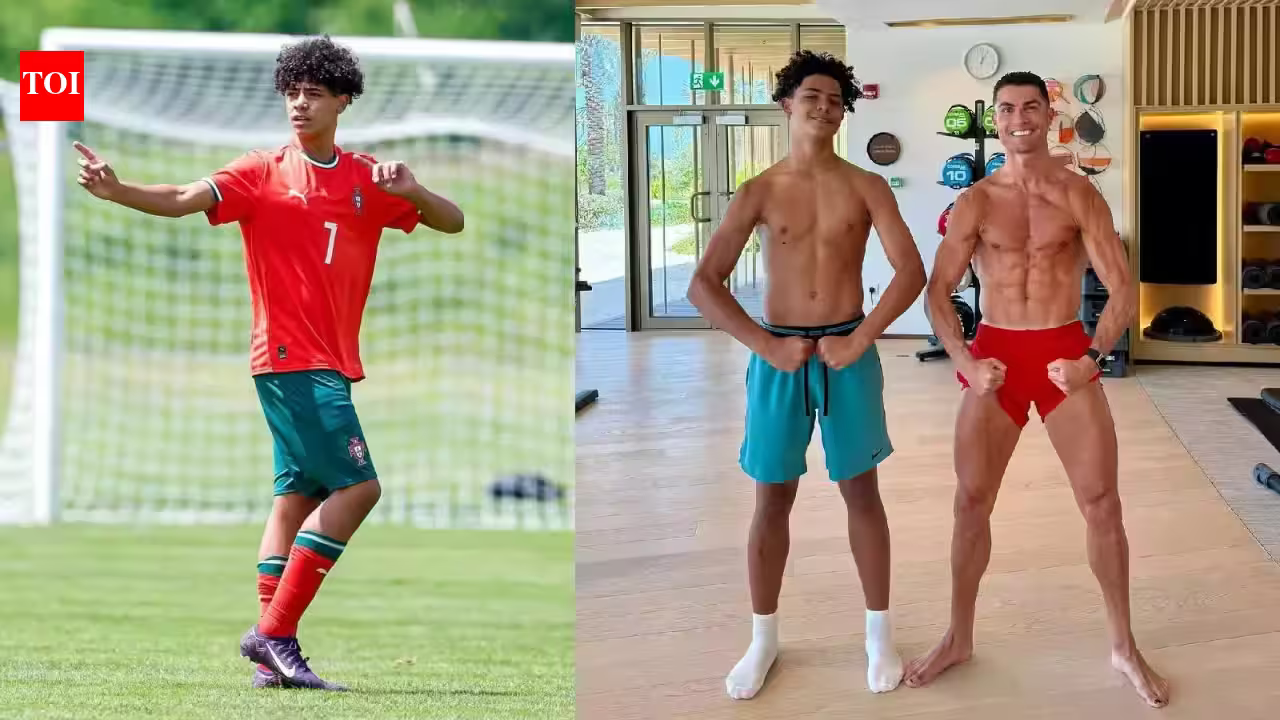
CRISTIANO RONALDO’S storied tenure with the Portuguese national team has reached a tumultuous crossroads, but as the senior icon navigates a fractured relationship with head coach Jorge Jesus, the gaze of the footballing world is beginning to shift toward the next chapter of the family legacy. Cristiano Ronaldo Jr., at just 16 years of age, is already carving out his own path in the sport—a journey that presents a complex, multinational puzzle regarding his long-term international allegiance.
Ronaldo’s Row with Portugal Coach Puts Spotlight on Family
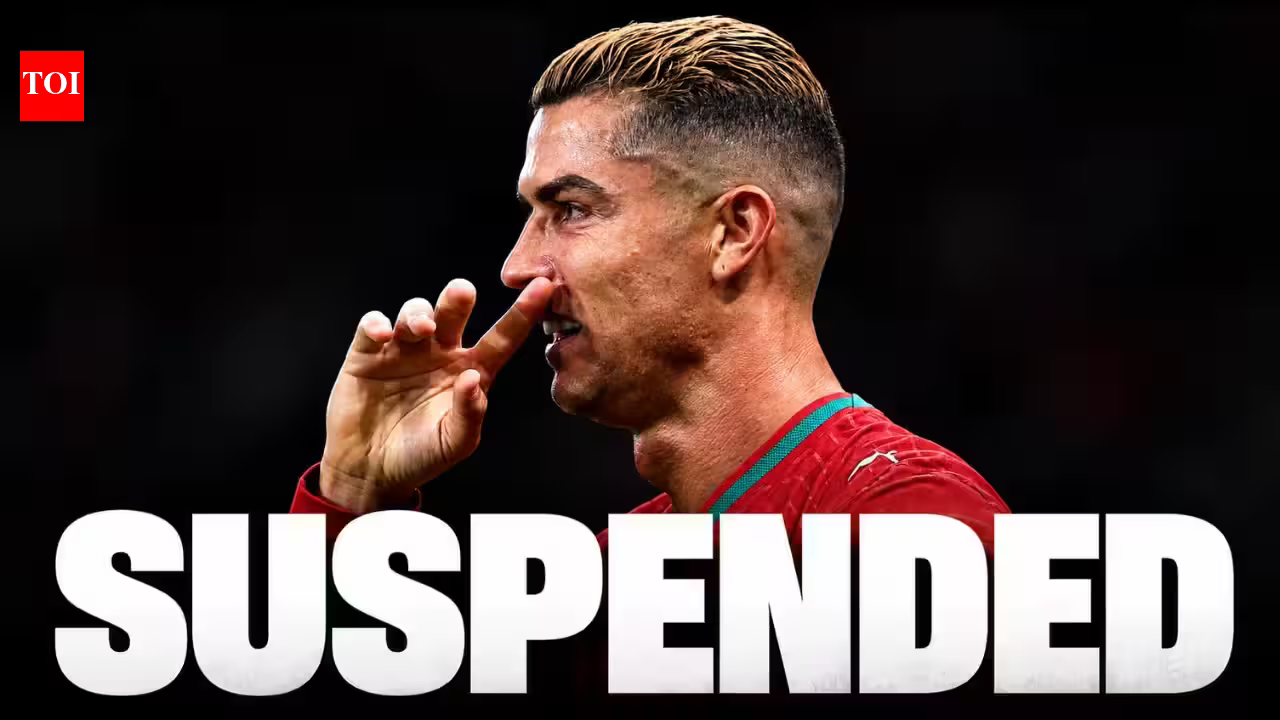
The drama surrounding Cristiano Ronaldo Sr. has dominated headlines following a highly public falling out with Jorge Jesus. The tension reached a boiling point after the veteran forward was relegated to the bench during a pivotal UEFA Nations League clash against Norway. The fallout was swift and severe, with Ronaldo reportedly departing the national team camp, accompanied by a stinging public critique of Jesus. The five-time Ballon d’Or winner explicitly accused the manager of breaking multiple promises regarding his playing time, casting significant doubt on whether the legendary captain will feature for the Seleção during the upcoming November international window.
While the senior setup is currently characterized by discord, the junior ranks remain a space of relative tranquility for the Ronaldo family name. Cristiano Jr. has been quietly honing his craft within the Portuguese youth system, having already recorded five goals in 13 appearances for the Under-15 and Under-16 sides. The juxtaposition is stark: as the father battles for his legacy in the senior squad, his son is methodically building his own. Though there is no evidence that the teenager’s international choices are linked to his father’s professional grievances, the ongoing friction in the senior camp adds a layer of intrigue to the younger Ronaldo’s development.
How Cristiano Jr. Could Have Options Beyond Portugal
While he currently represents the country of his father’s greatest triumphs, Cristiano Jr.’s unique upbringing provides him with a legitimate claim to multiple national identities. Born in California, the teenager possesses a natural connection to the United States. His early years were also deeply entrenched in the European landscape; having spent over five years in Spain during his father’s tenure at Real Madrid, he has lived long enough in the region to spark curiosity regarding future eligibility, though residence alone remains insufficient for immediate FIFA qualification.
Furthermore, reports have surfaced regarding potential Cape Verdean ancestry through his paternal grandmother. While such family ties are often cited in international scouting, they require stringent verification under FIFA’s complex eligibility frameworks. The most elusive piece of the puzzle, however, remains the identity of his mother. With that information kept strictly private, the potential for an additional, unknown international pathway remains a matter of pure speculation. For now, the younger Ronaldo continues his development in the academy at Saudi Arabian club Al-Nassr, having previously refined his skills at the prestigious youth setups of Manchester United and Juventus.
Has Cristiano Jr. Already Committed His International Future to Portugal?
Making his international debut in a 3-2 victory over Croatia during last year’s Vlatko Marković tournament, Cristiano Jr. has shown promise as a right-footed left winger. However, observers should be cautious about labeling his current youth-level participation as an irreversible commitment. Under FIFA regulations, youth appearances do not necessarily lock a player into a specific senior national team.
The path to a definitive declaration of loyalty depends on a variety of factors, including age, the specific nature of matches played, and potential changes to his own nationality status. While Portugal is clearly the home he has chosen for his formative years, the regulatory landscape leaves the door technically ajar for a change of association. Whether the teenager—or his advisors—would ever consider such a move remains entirely unclear. At 16, his primary focus is on progression, fitness, and adapting to the rigors of the professional academy environment, rather than the geopolitical complexities of international football.
Ronaldo’s Portugal Legacy — and His Dream for His Son
The pressure of carrying the surname “Ronaldo” is an immense burden for any athlete. The elder Ronaldo has set an almost insurmountable bar, boasting 146 goals in 234 caps, guiding his nation to their maiden Euro 2016 crown, and cementing his status as one of the greatest to ever play the game.
Despite the overwhelming statistics, the veteran forward has maintained a surprisingly grounded approach to his son’s career. In a 2018 interview with DAZN, Ronaldo Sr. expressed a clear, yet non-coercive desire for his son’s future. “I dream to see my boy a football player,” he noted, highlighting the youngster’s natural speed and shooting prowess. However, the father was quick to emphasize that the choice is entirely the boy’s, rejecting any notion of forced destiny.
“He doesn’t like to lose and he will be like me, I’m sure, 100 per cent,” Ronaldo said. “I like to teach him some stuff, but he’s going to be whatever he wants and I’m always going to support him.”
As the elder Ronaldo enters the twilight of a storied career—marked by current volatility with the national leadership—the football world will continue to watch his son with intense curiosity. Whether Cristiano Jr. eventually dons the senior Portuguese kit to mirror his father, or opts to chart a divergent path using his diverse international eligibility, his evolution remains one of the most fascinating storylines in the sport. For now, the focus is on the pitch, the development, and the enduring quest to define a legacy entirely of his own making.
Disclaimer: This content is auto-generated for informational purposes only.
Source: Read Original News