









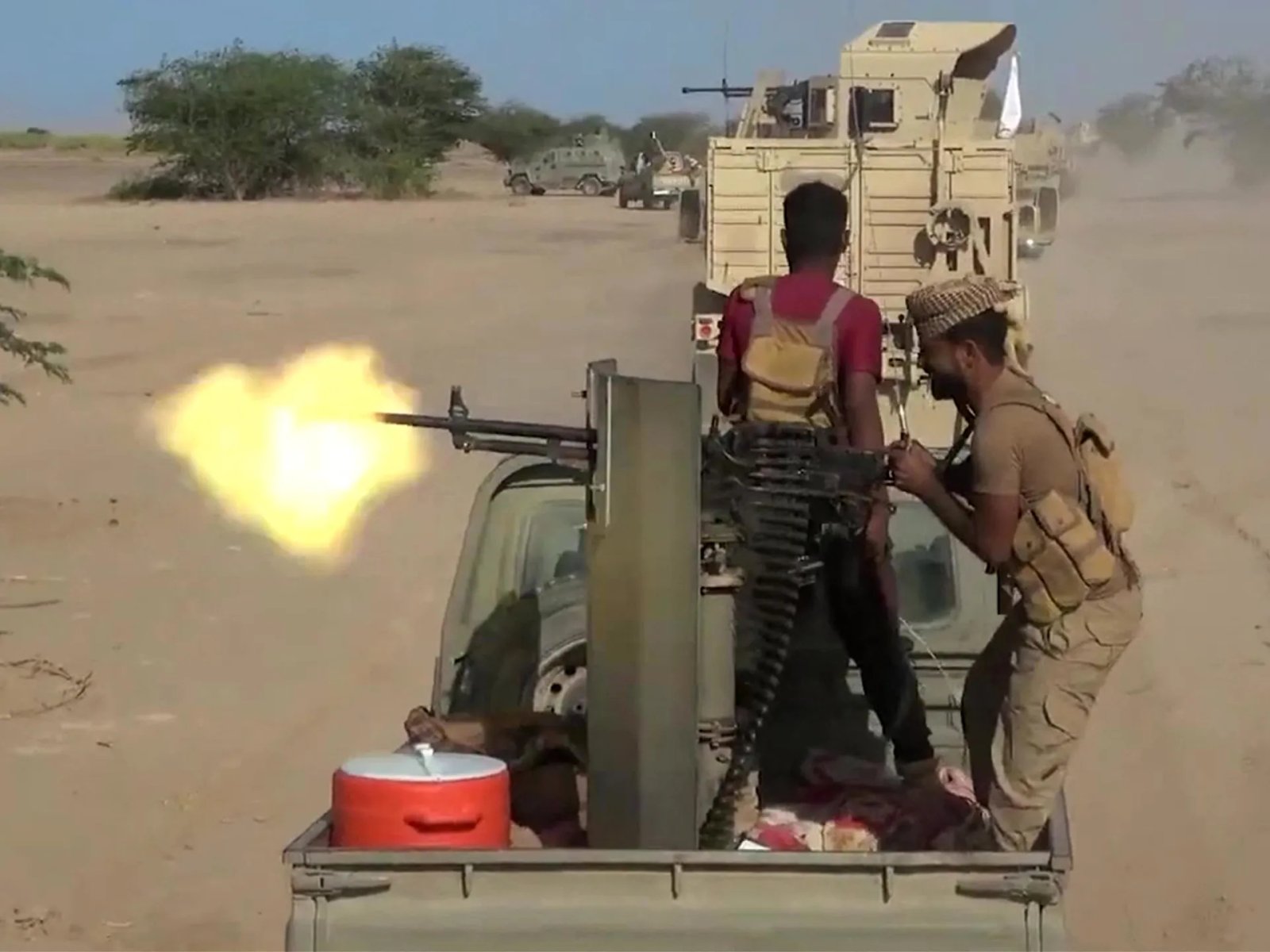
RIYADH – A devastating drone and missile strike on a major Saudi Arabian airport has left at least 12 people dead and scores injured, marking a dramatic and deadly escalation in regional tensions. The attack, which struck critical infrastructure in the Saudi capital, has sent shockwaves through the Middle East and triggered an urgent, high-stakes debate in Washington regarding potential military intervention.
The assault, which authorities believe was launched by Houthi forces, struck the facility during peak hours, causing significant structural damage and suspending all air traffic. Emergency services scrambled to the scene as black smoke billowed over the city. By midday, Saudi officials confirmed that the casualty count had reached 12, with a warning that the number could rise as rescue operations continue.
The attack comes at a precarious time for international diplomacy. As the region reels from the violence, the geopolitical fallout is already being felt in the United States. Former President Donald Trump, who has been vocal about his foreign policy stance on social media, has intensified calls for a decisive response, urging the current administration to consider a direct military strike against the Houthis and a potential renewal of hostilities against Iranian targets, which many in the region blame for sponsoring the strike.
The public posturing has fueled a fierce debate within the Beltway. While some lawmakers are calling for an immediate retaliatory strike to restore deterrence, others have warned that an aggressive military escalation could spiral into a broader, uncontrollable regional conflict. The White House has not yet announced a definitive course of action, stating only that they are in “constant communication” with regional allies and reviewing all options, including intelligence-sharing and targeted military engagement.
“The situation is incredibly fluid,” said one security analyst familiar with the ongoing deliberations. “We are seeing a convergence of long-standing regional friction points. Washington is balancing the need to support a key security partner in Saudi Arabia while trying to avoid being dragged into a wider, more costly war that could further destabilize the global energy market.”
The attack highlights the increasing effectiveness and range of drone warfare deployed by non-state actors in the region, posing a persistent threat to civilian infrastructure. For now, the airspace over Riyadh remains restricted as security forces secure the perimeter and investigate the origin of the munitions used in the strike.
As international condemnation of the attack grows, the focus remains on the looming threat of retaliatory military action. Whether the United States chooses to join the fight, as suggested by Trump and several hawkish members of Congress, or pursues a diplomatic containment strategy remains the central question facing the international community.
Global markets responded to the news with volatility, as oil prices surged in anticipation of potential supply chain disruptions. Residents in Riyadh remain on edge, awaiting further developments as the government promises a “firm and decisive” response to those behind the bloodshed.
Disclaimer: This content is auto-generated for informational purposes only.
Source: Read Original News