








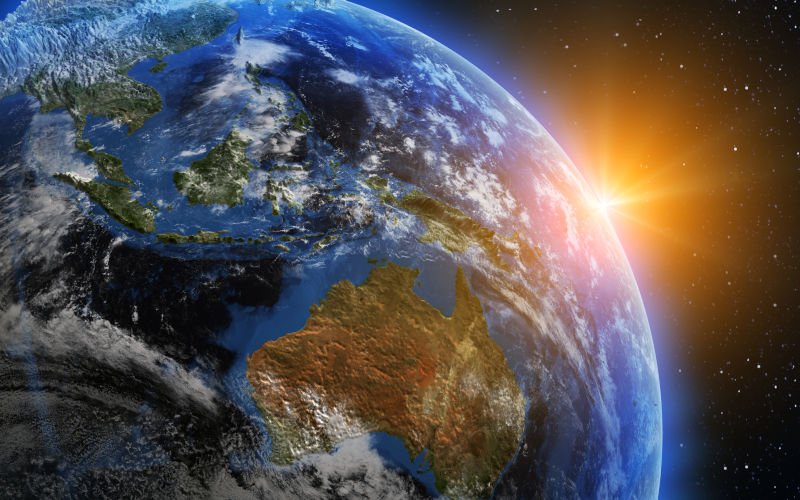
The Earth is rapidly exiting the stable climatic conditions that allowed human civilization to flourish over the last 12,000 years. According to the recently released Planetary Health Check 2026, seven of the nine defined planetary boundaries—the critical Earth systems that maintain global habitability—have now been crossed. This assessment confirms that the “safe operating space” for humanity is shrinking, and the window to prevent irreversible environmental destabilization is closing faster than previously projected.
The planetary boundaries framework covers essential systems including climate change, biodiversity integrity, ocean health, freshwater usage, and the introduction of novel chemical entities. Since the mid-twentieth century, an era often described as the “Great Acceleration,” human economic and technological expansion has outpaced the Earth’s natural capacity to absorb the resulting pressure. The report highlights that global warming has accelerated to 0.3°C per decade over the last ten years, driving increasingly frequent extreme weather events, mass coral bleaching, and the alarming transformation of critical carbon sinks—such as the Amazon rainforest—into carbon sources.
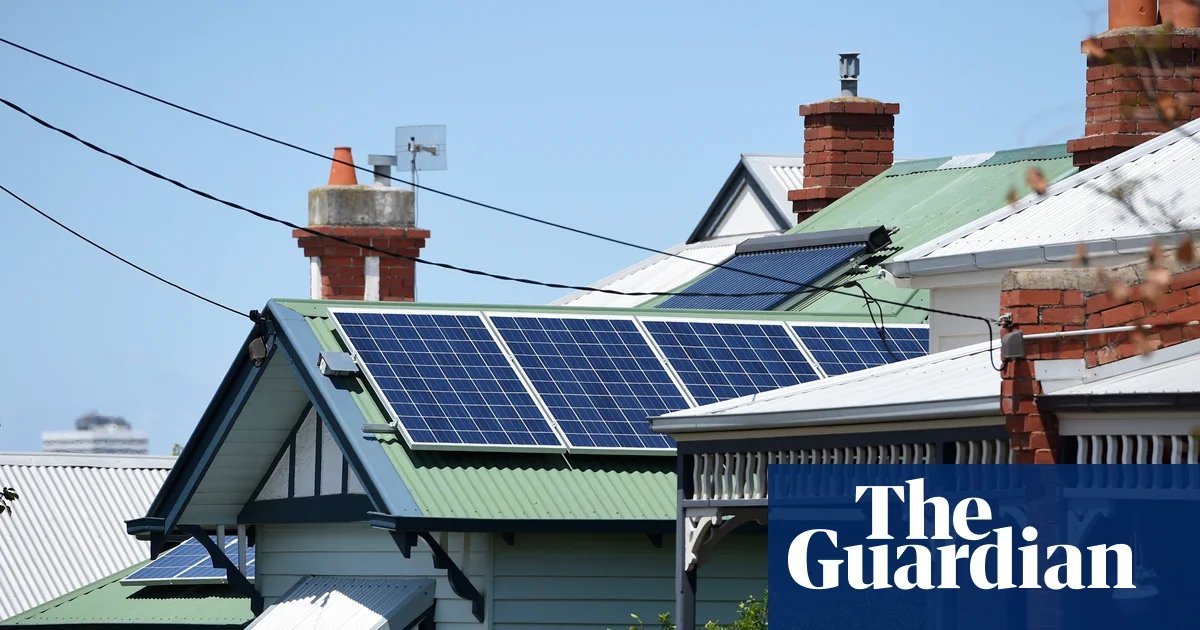
Despite these dire scientific warnings, a stark divide remains between global climate rhetoric and state-level policy. This contradiction was on display during the September 2026 Climate Week in New York, where Australian Prime Minister Anthony Albanese positioned his nation as a climate leader. In his keynote address, the Prime Minister championed Australia’s domestic transition to renewable energy, emphasizing wind, solar, and battery storage.
However, the address was notable for what it omitted. In a 900-word speech, the Prime Minister made 22 references to renewable energy but failed to mention fossil fuels, coal, or greenhouse gas emissions, except to signal that natural gas would “firm” Australia’s renewable energy capacity. This omission masks a reality at odds with international climate goals: Australia remains one of the world’s largest exporters of coal and gas, with these exports accounting for approximately 4% of total global greenhouse gas emissions.
The disparity between Australia’s international branding and its domestic policy is underscored by the government’s recent decision to approve the extension of the Saraji coal mine in Queensland’s Bowen Basin. This project, which will continue the extraction of fossil fuels until 2055, highlights a fundamental tension in modern climate politics: the pursuit of renewable expansion while simultaneously doubling down on the very extractive industries that continue to push the planet past its limits.
The Planetary Health Check makes it clear that incremental changes and renewable energy rollouts are insufficient if they are coupled with the continued expansion of high-emission fossil fuel projects. Outgoing UN Secretary-General António Guterres has been explicit on this point, warning that any strategy focusing on the continued growth of fossil fuels “has no future.”
The data provided by the 2026 report serves as a diagnostic tool for a planet under extreme duress. Crossing planetary boundaries does not trigger an instantaneous, singular catastrophe; rather, it represents a cumulative erosion of Earth’s resilience. As the report concludes, humanity still possesses the capacity to secure a sustainable future, but that potential is contingent upon a radical shift away from the extractive practices of the “Great Acceleration.” The continued development of new coal and gas fields, despite the scientific consensus, suggests that for many nations, the political commitment to economic status quo currently outweighs the urgent necessity of planetary survival.
Disclaimer: This content is auto-generated for informational purposes only.
Source: Read Original News