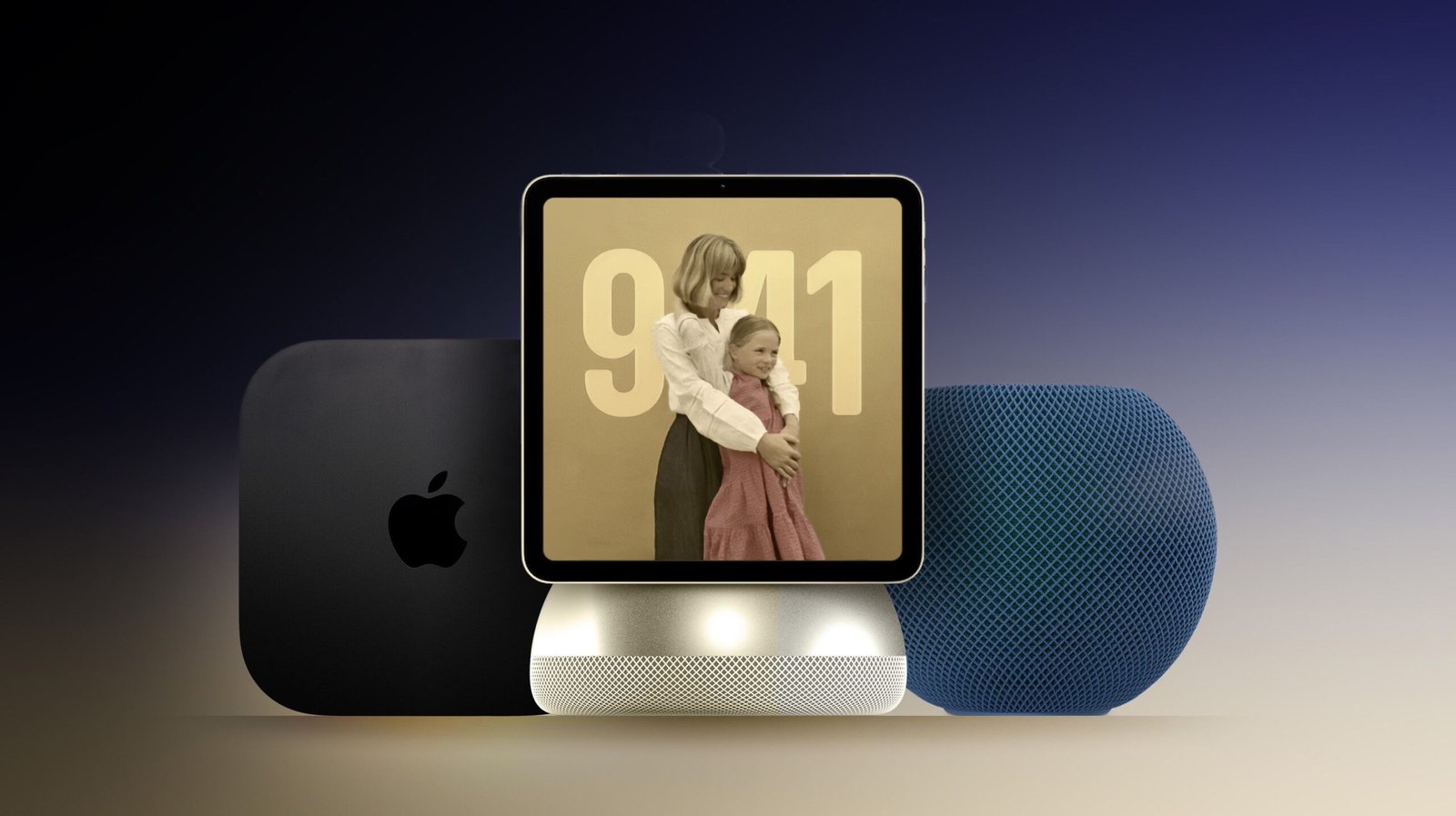








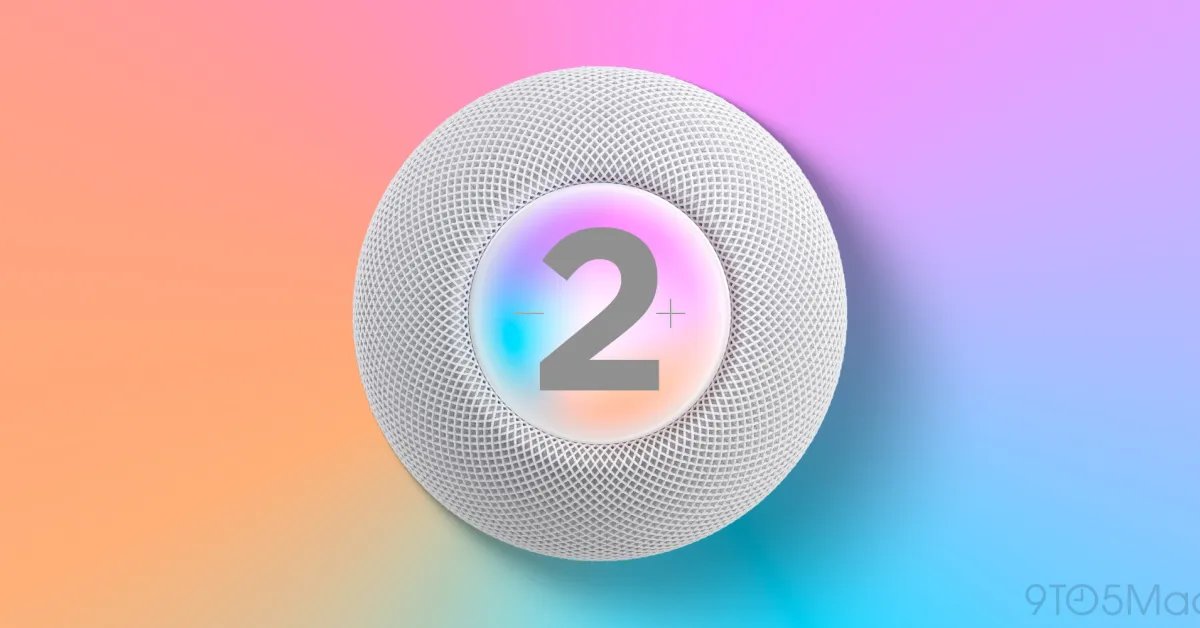
The upcoming refresh of Apple’s smart home ecosystem marks a significant shift in the company’s strategy for the connected living space. With the anticipated launch of the HomePod mini 2, Apple is transitioning away from simple voice-controlled speakers toward a more cohesive, intelligence-driven architecture. This hardware update, alongside the introduction of the HomeView smart display and refreshed Apple TV 4K, signals a renewed commitment to integrated home automation.
Advancements in Processing and AI Integration
The most notable internal upgrade for the HomePod mini 2 is the transition from the legacy S5 chip to the more powerful S10 processor. While the S5 served as a capable foundation for basic audio processing and standard Siri commands, the S10 architecture introduces the overhead necessary for localized artificial intelligence tasks.
By integrating the S10, the HomePod mini 2 will become the entry point for on-device Siri intelligence. This capability enables faster processing of voice requests and more complex automation sequences without relying exclusively on cloud-based relays. This transition also mirrors the hardware requirements for the new HomeView hub, allowing the HomePod mini 2 to act as a seamless satellite, extending voice control and media synchronization across the entire household. This shift effectively turns the device from a standalone music player into a sophisticated node within an intelligent home network.
Enhanced Connectivity and Networking Standards
Beyond raw processing power, the technical specifications of the HomePod mini 2 indicate a modernization of its wireless capabilities. The device is expected to feature the N1 networking chip, which is specifically designed to handle the growing demands of smart home communication protocols.
One of the primary benefits of this inclusion is the enhanced support for Thread and Matter. As the smart home market moves toward these unified, interoperable standards, having a robust radio capable of managing low-latency communication is essential. Furthermore, the jump from Wi-Fi 4 to Wi-Fi 7 is a critical technical leap. Wi-Fi 7 provides significantly higher throughput, lower latency, and better congestion management in environments saturated with multiple devices. For a smart speaker, this ensures that high-fidelity audio streams and real-time automation signals remain stable even when the local network is heavily utilized by other hardware.
Cohesive Smart Home Ecosystem
The collaboration with LG on a new lineup of smart accessories suggests that Apple is moving toward a more curated approach to home compatibility. By aligning the launch of the HomePod mini 2 with the HomeView hub, Apple is creating a hierarchy of devices where the hub acts as the central command console, while the HomePod mini 2 serves as a distributed voice interface.
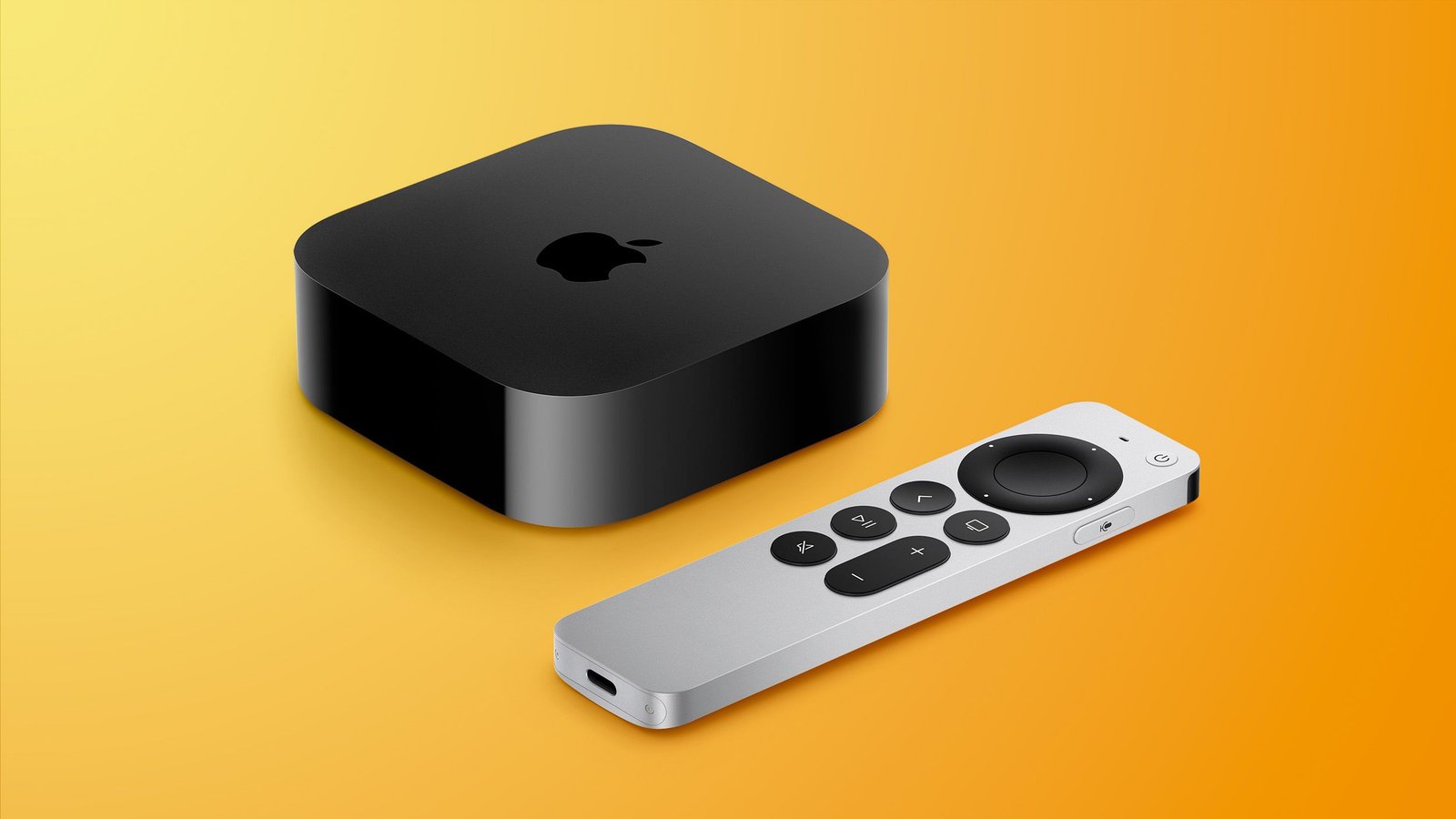
This distributed model allows users to maintain consistent access to their HomeView dashboard from any room. When a user issues a command or starts a media stream on the HomePod mini 2, the underlying system coordinates that state across the HomeView interface. This synchronization extends to the forthcoming Apple TV 4K, which will also support these advanced intelligence features, effectively creating a unified experience regardless of which screen or speaker is being accessed.
Design and Aesthetic Refresh
Apple’s hardware updates often coincide with a diversification of the product’s visual identity. The second-generation HomePod mini will follow this precedent by expanding its color catalog. Alongside the standard midnight and white models, the introduction of pink, green, and blue options allows for greater integration into varying interior design environments. While these changes are purely aesthetic, they reflect Apple’s attempt to position the HomePod mini 2 not just as a piece of networking hardware, but as a lifestyle product that fits into the consumer’s living space.
Timeline and Market Positioning
The strategic release schedule, reported for late October 2026, positions the HomePod mini 2 and the Apple TV 4K to capture the holiday market. Following these device updates, the introduction of the HomeView hub in mid-November suggests a phased rollout, allowing the infrastructure—the speakers and media players—to hit the market first, followed by the central control display.
Regarding pricing, the hardware industry has seen inflationary pressure, leading to price increases across the company’s broader product lineup earlier in the year. Although the initial HomePod mini saw a price adjustment, market analysts suggest that the launch pricing for the second-generation model will remain stable at current levels to ensure it stays competitive as a mass-market accessory. The success of this product will rely on how well the S10-powered intelligence features perform in real-world environments and whether the integration with the HomeView ecosystem provides a sufficiently compelling reason for users to upgrade their existing smart home hardware. As the industry moves toward more complex and autonomous living spaces, the HomePod mini 2 represents the necessary foundation for the next generation of Apple’s home-centric technology.
Disclaimer: This content is auto-generated for informational purposes only.
Source: Read Original News