







As autumn settles over the landscape, the arrival of cooler, damper weather marks the beginning of the annual fungi season—a period of intense biological activity that has recently come into sharper focus for scientists and conservationists alike. At Bangor University’s Treborth Botanic Garden, the yearly “fungus foray” served as a vibrant reminder of this hidden kingdom’s diversity. This year’s event saw 225 participants identify more than 200 species in just 90 minutes, revealing the staggering variety of dapperlings, toughshanks, bonnets, and fairy clubs that emerge during this window.
Among the haul was a notable sighting: the orange ping-pong bat fungus (Favolaschia calocera). A striking, vivid species that grows on decaying wood, its presence in the UK is a relatively recent phenomenon, with the first records dating back to 2012. Its rapid, global expansion is increasingly attributed to the shifting patterns of climate change, serving as a biological bellwether for how warming temperatures are altering the composition of native ecosystems.
While forests and woodlands are the traditional stomping grounds for mycologists, the island of Anglesey (Ynys Môn) demonstrates that fungi are vital even in seemingly hostile environments, such as the shifting sands of the Aberffraw Dunes. These treeless, exposed habitats are surprisingly rich in mycological life. Recent surveys of the site identified fairy rings of parasol mushrooms (Macrolepiota mastoidea) and champignons (Marasmius oreades), alongside more toxic varieties like fibrecaps (Inocybe) and webcaps (Cortinarius) found in the damper dune hollows.
The success of the dune ecosystem hinges on a complex, often unseen, relationship between plants and fungi. Marram grass (Ammophila arenaria) acts as the primary engineer of these coastal landscapes, possessing the unique ability to stabilize sand and build tall dunes. However, this plant’s survival depends on a symbiotic alliance with specialized fungi. In the nutrient-poor, sandy soil, marram grass would struggle to survive without its fungal partners, which mine the earth for vital minerals and nutrients.
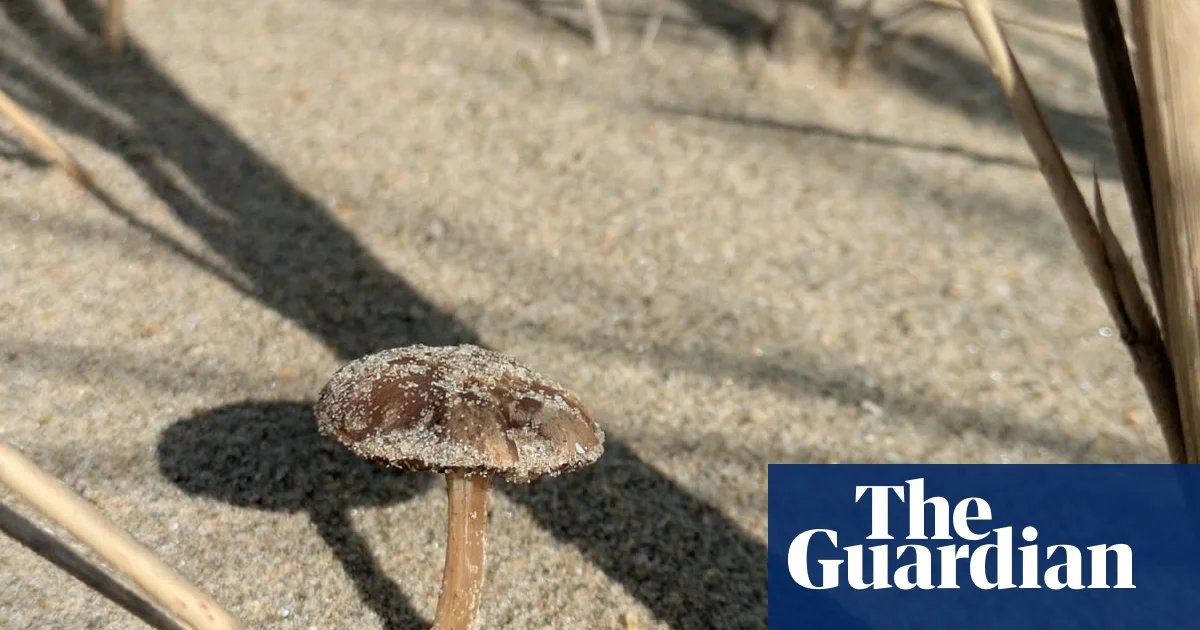
One key player in this cycle is the dune brittlestem (Psathyrella ammophila). Frequently found in the bare sand between marram clumps, this species is specifically adapted to the environment. It functions as a critical decomposer, breaking down the marram grass’s aging roots and recycling nutrients back into the soil, creating a self-sustaining loop that allows the grass to continue growing and binding the dunes against the tides.
This year marks a significant turning point in how the scientific community categorizes these organisms. The term “funga” has been officially adopted by the Cambridge Dictionary, placing it on equal footing with the long-established terms “flora” and “fauna.” This linguistic shift reflects a broader global movement to elevate the status of fungi in ecological discourse.
The necessity for this recognition is becoming increasingly urgent. As nations prepare for the upcoming Cop17 conference, the protection of fungi is expected to be a central topic of negotiation. After centuries of being overlooked in conservation policy, fungi are finally being acknowledged as the essential infrastructure of life on Earth—not merely as decomposers, but as the fundamental architects of healthy, resilient ecosystems.
Disclaimer: This content is auto-generated for informational purposes only.
Source: Read Original News