








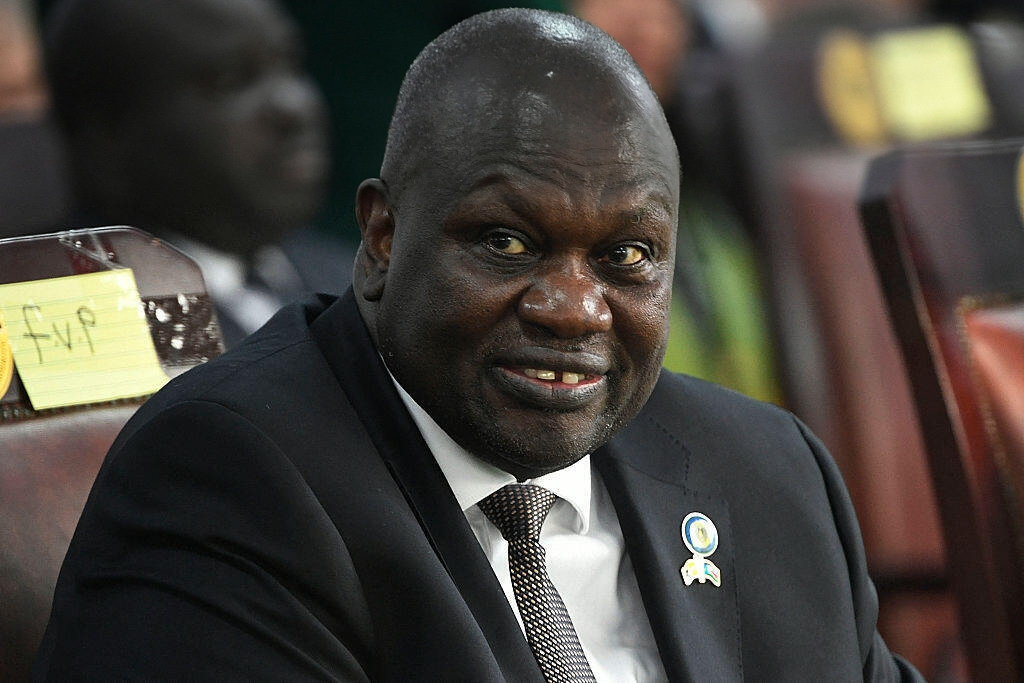
JUBA — The high-stakes trial of South Sudan’s former First Vice President, Dr. Riek Machar, has taken a precarious turn following his characterization of the judicial environment as “toxic.” Speaking during the 120th session of the Special Court this Wednesday, Machar signaled that the proceedings regarding the March 2025 Nasir incident remain fundamentally compromised by alleged threats against his life and the integrity of his legal counsel.
The Nasir incident, which serves as the centerpiece of the prosecution’s case, involves allegations that Machar and seven co-accused orchestrated an attack by the White Army on a government military garrison in Upper Nile State. The assault resulted in a significant loss of life, including the death of the garrison commander, Major General Majur Dak, and over 200 soldiers. As the trial enters this critical phase of defense testimony, the focus has shifted from the events of the battlefield to the security of the courtroom itself.
“The environment of this trial has become toxic following a plot to unlawfully eliminate and assassinate the accused persons and members of the defence team,” Machar stated during his opening defense testimony. He further emphasized that the proceedings cannot return to normalcy until these security risks are thoroughly investigated and permanently neutralized.
These concerns are not new to the court records. In September, the lead defense counsel, Dr. Geri Raimondo Legge, first alerted the presiding judges to credible threats against the accused and their representatives. While the identities of the parties behind the alleged plot remain confidential, the gravity of the accusations prompted the court to implement immediate remedial measures. These included the exclusion of specific police personnel from courtroom security details and the mandating of protective escorts for the defense team during transit.
Despite these tactical interventions, Machar argued that the shadow of intimidation persists, manifesting as both direct physical threats and broader systemic pressure. He specifically alleged that the trial is subject to “clear political intrusion,” which he claims undermines the independence of the judiciary and the impartial administration of justice. According to Machar, the court is currently navigating a landscape where the coercive power of the state frequently clashes with the constitutional rights of the accused.
Nevertheless, Machar offered a tempered endorsement of the court’s procedural conduct in other areas. He expressed gratitude for the judges’ commitment to upholding the constitutional rights of the accused to represent themselves via independent counsel rather than court-appointed legal aid. He also noted with appreciation the court’s allowance for the accused to attend proceedings in appropriate attire and to maintain access to materials necessary for their defense, such as stationery and notes.
“I still have hope that this Honourable Court will listen to our case fairly, carefully and critically, and ultimately deliver a fair and just ruling based on the actual facts and evidence,” Machar said, framing his defense as a search for objective truth against a backdrop of political maneuvering.
As the court adjourned on Wednesday, the timeline for the case remains extensive. The proceedings are set to resume on October 14, 2026, when Machar is scheduled to continue his defense statement. Legal observers note that the extended interval between sessions highlights the complexity of the case, which continues to hold significant weight for the stability of South Sudan’s political and judicial institutions. With both the defense and the court struggling to balance the requirements of public justice with the harsh realities of a volatile security environment, the path toward a verdict remains fraught with uncertainty.
Disclaimer: This content is auto-generated for informational purposes only.
Source: Read Original News