






The prevailing narrative surrounding oil extraction in the Amazon often centers on a binary of resistance versus exploitation. However, new research from the Ecuadorian Amazon reveals a far more complex reality, one where the uneven distribution of environmental costs and economic benefits compels some Indigenous communities to negotiate with, rather than reject, the very industries threatening their ancestral lands.
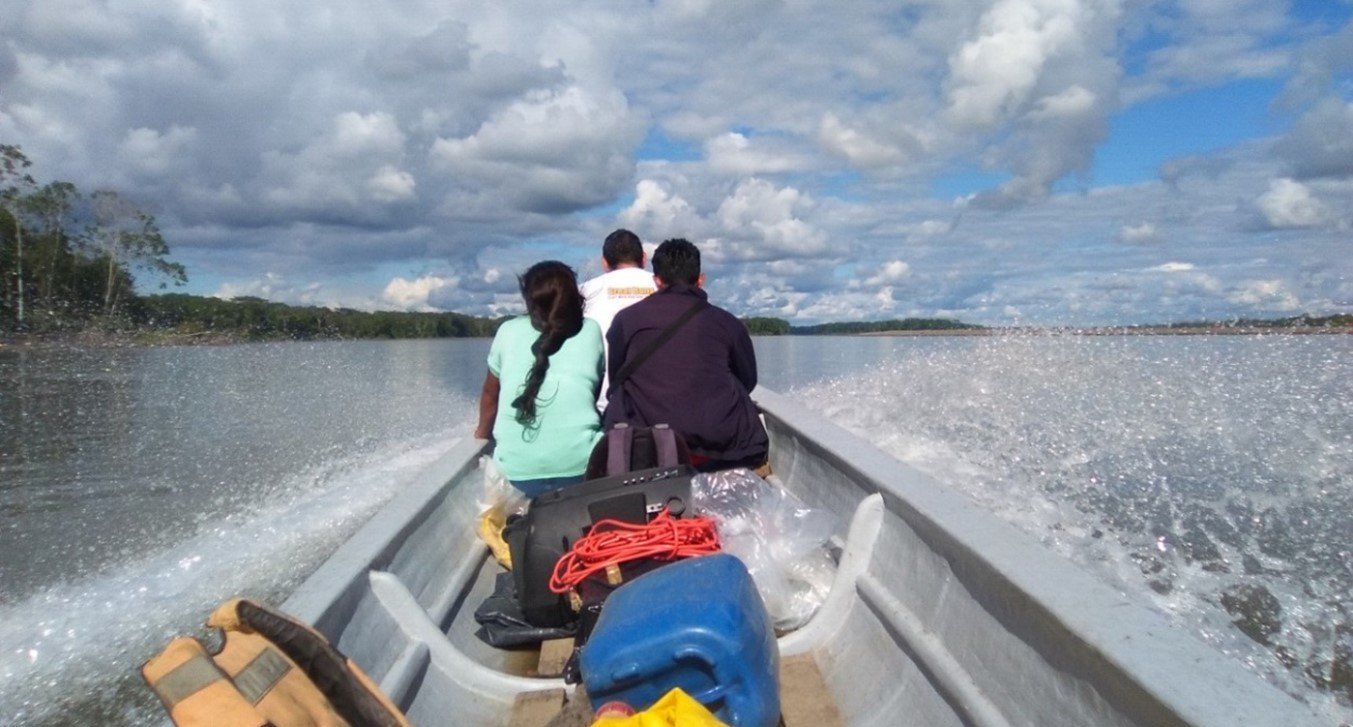
A study conducted by Dr. Julie Dayot, currently of the University of Exeter, offers a nuanced look at the motivations behind this decision-making. Over an eight-month period, Dr. Dayot lived alongside Quichua communities along the Lower Napo River, observing the expansion of major oil operations, including those within the Ishpingo–Tambococha–Tiputini (ITT) oil project.
Contrary to the expectation that local populations would universally oppose industrial encroachment, Dr. Dayot discovered that many communities actively seek the presence of oil companies. This apparent paradox is rooted in a fundamental imbalance in the “extractive frontier.”
The research, published in the journal Geoforum, highlights that environmental damage does not occur in a vacuum. For many downstream communities, the water supply is already compromised by historical oil extraction occurring upstream. By the time a new project reaches a specific territory, the local population is often already grappling with degraded rivers and strained livelihoods. Consequently, these communities view the arrival of an oil firm not just as a new environmental threat, but as a potential—and perhaps the only—source of leverage to address existing infrastructure deficits.
“When I first met people from Quichua communities, I was surprised that many wanted the oil company to come,” Dr. Dayot said. “Over time, I saw how the costs and benefits of oil extraction are spread unevenly over space and time.”
A primary example of this “asymmetrical dilemma” is the issue of water security. Because the rivers upon which these communities depend for drinking, cooking, and daily life are already polluted from decades of industrial activity, residents often negotiate with incoming oil companies for the installation of clean drinking water systems. In this context, the oil project serves as a double-edged sword: it is recognized as a source of further ecological harm, yet it is also seen as a pragmatic mechanism to mitigate the toxic legacies left by previous, unrelated extraction efforts.
This dynamic creates a cycle of dependency. While communities receive promises of jobs, infrastructure improvements, and monetary compensation, these benefits are strictly tied to the presence of the oil project itself. Downstream communities that suffer the pollution from these sites often receive none of the financial or material offsets, leaving them to bear the environmental burden without any of the promised developmental aid.
With more than half of the Ecuadorian Amazon now marked for potential oil drilling, the study underscores that these decisions are not made in isolation. For the Quichua, the forest and the river are not abstract environmental assets; they are the literal foundations of their survival, providing food, building materials, and water. When these resources are threatened, the choice to engage with industry is often a forced compromise rather than an endorsement.
Dr. Dayot argues that the discourse surrounding extractivism must evolve. Instead of focusing solely on the “yes” or “no” of a project, policymakers and researchers must examine the “uneven conditions under which acceptance happens.”
“In the context of ongoing environmental degradation—and with oil companies offering money, jobs and infrastructure improvements—harmful projects may be accepted, negotiated, or even desired despite their damaging consequences for the same people who accept them,” Dr. Dayot explained.
By detailing these “asymmetrical dilemmas,” the research challenges the notion that Indigenous consent is a simple endorsement of industrial development. Instead, it illustrates a landscape where communities are often pushed into a corner, forced to weigh the long-term health of their environment against the immediate, tangible needs of their families in an era of persistent and systemic degradation.
Disclaimer: This content is auto-generated for informational purposes only.
Source: Read Original News