








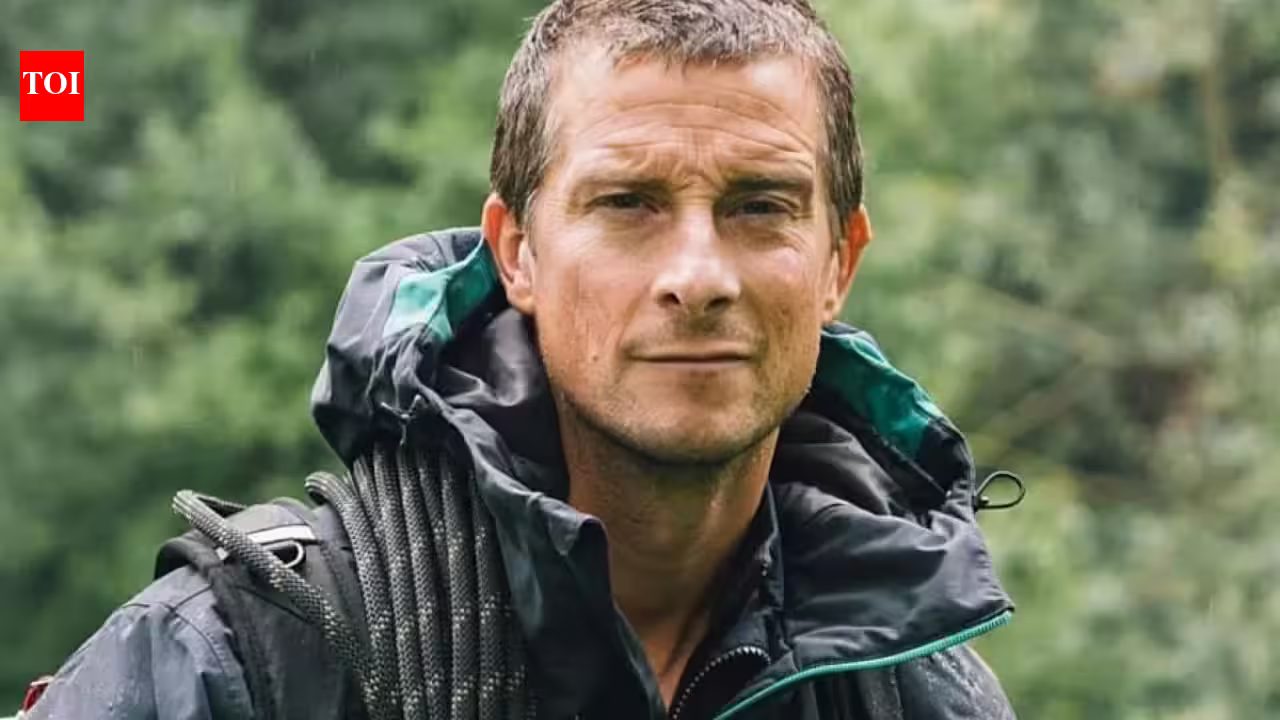
The Philosophy of the Unknown: Why Bear Grylls Still Resonates
In a world obsessed with GPS, calculated risks, and the safety of the status quo, Bear Grylls remains a refreshing anomaly. Whether he is dropping celebrities into the remote wilderness or trekking through the unforgiving terrain of the Himalayas, Grylls isn’t just selling survival skills—he is selling a philosophy of radical uncertainty. His latest viral reflection, drawn from his 2012 book A Survival Guide for Life, serves as a stark reminder that the most significant chapters of our lives rarely happen when we are following a map.
“There is little faith involved in setting out on a journey where the destination is certain and every step in between has been mapped in detail,” Grylls writes. “Bravery and trust are about leaving camp in the dark, when we do not know the route ahead and cannot be certain we will ever return.”
For a man who has made a global brand out of enduring the “unendurable,” these words carry the weight of someone who has actually stared into the void. It’s not just an inspirational Instagram caption; it’s a blueprint for anyone feeling stuck in the “safe” lanes of modern existence.
What Does the Quote Really Mean?
Grylls’ perspective is rooted in the uncomfortable truth that comfort is often the enemy of growth. In the wilderness, if you know exactly what is going to happen, you aren’t exploring—you’re commuting. The same applies to our careers, our relationships, and our internal development.
When we map out every move, we aren’t exercising faith; we are exercising control. Grylls argues that true character is forged in the absence of a safety net. Leaving camp in the dark isn’t reckless—it’s a deliberate act of trusting one’s own resilience. It is the acknowledgement that the journey itself holds more value than the comfort of a guaranteed destination. When you remove the certainty of a return or the precision of the path, you are forced to be fully present. You are forced to thrive in adversity. For Grylls, the fear of the unknown isn’t a signal to turn back; it’s the exact indicator that you are on the right path.
The Making of a Modern Adventurer
To understand the man behind the quote, one has to look at the foundations built in Donaghadee, Northern Ireland. Born Edward Michael Grylls in 1974, he wasn’t always the rugged survivalist the world sees on screen. The nickname “Bear”—bestowed by his sister, Lara, just a week after his birth—eventually became the cornerstone of a multi-million-dollar entertainment empire.
His early life was a masterclass in preparation disguised as play. His father, Sir Michael Grylls, was a man of action—a former Royal Marine and a member of the Royal Yacht Squadron—who didn’t just teach young Bear how to sail; he taught him how to read the sea. These formative years on the Isle of Wight, spent scaling sea cliffs and knotting ropes, laid the tactical groundwork for his later career. But it was his struggle with bullying during his school years that perhaps defined his resilience more than anything else. Instead of folding, he turned to the discipline of Shotokan Karate, achieving a 2nd dan black belt while still a teenager. This blend of physical grit and mental fortification became his hallmark.
From Special Forces to Global Screens
Before he was a television icon, Grylls was a soldier. Serving in the British Special Forces with the 21 SAS Regiment from 1994 to 1997 provided the crucible for his survivalist expertise. It was a life of extreme pressure, but even that chapter had its own “leap into the dark.”
Following a serious injury sustained during a free-fall parachuting accident in Zambia, Grylls’ life shifted. Rather than letting the physical trauma derail him, he turned his recovery into a catalyst for the impossible. He reached the summit of Mount Everest—an achievement that transformed him from a former soldier into a world-renowned adventurer. That same energy translated into his television career, where he bridged the gap between raw, tactical survival and mass entertainment. From Man vs. Wild to Running Wild with Bear Grylls, he invited the public to watch as he stripped away the comforts of modern life, proving that the human spirit is most vibrant when it is challenged.
The Legacy of the “Less Traveled” Path
Grylls’ career is a testament to the idea that one can professionalize passion. He didn’t follow the traditional academic path; instead, he founded a mountaineering club at Eton and trekked through the Himalayas before he even hit his mid-twenties. He has consistently chosen the “road less traveled,” not because it was convenient, but because it was necessary for his own evolution.
His books, including Mud, Sweat, and Tears, act as a roadmap for others looking to escape the “certainty” of their comfort zones. Whether he is encouraging a celebrity to rappel down a canyon or writing about the psychology of survival, the message remains consistent: life is meant to be experienced at the edge.
As we navigate our own journeys, Grylls’ reminder stands as an essential checkpoint. Most of us spend our lives trying to illuminate the path ahead, fearing the dark. But as the man himself suggests, it’s only when we leave the safety of the lit campsite that we truly find out what we are made of. The destination is rarely as important as the person you become while trying to find your way there. In the theater of life, Bear Grylls isn’t just the protagonist—he’s the guide reminding us that the darkness is where the real adventure begins.
Disclaimer: This content is auto-generated for informational purposes only.
Source: Read Original News