








The Tata Tussle: Is the Conglomerate’s Golden Aura Fading?
In the quiet hours before dawn, Mansi Kadam meticulously prepares her vada pav stall on a bustling Mumbai street. For Kadam, the quality of her snack is non-negotiable, and that starts with a specific brand of salt. Her loyalty to the Tata name is instinctive, echoing a vintage advertising jingle that has defined generations of Indian kitchens: “If it’s salt, it has to be Tata.”
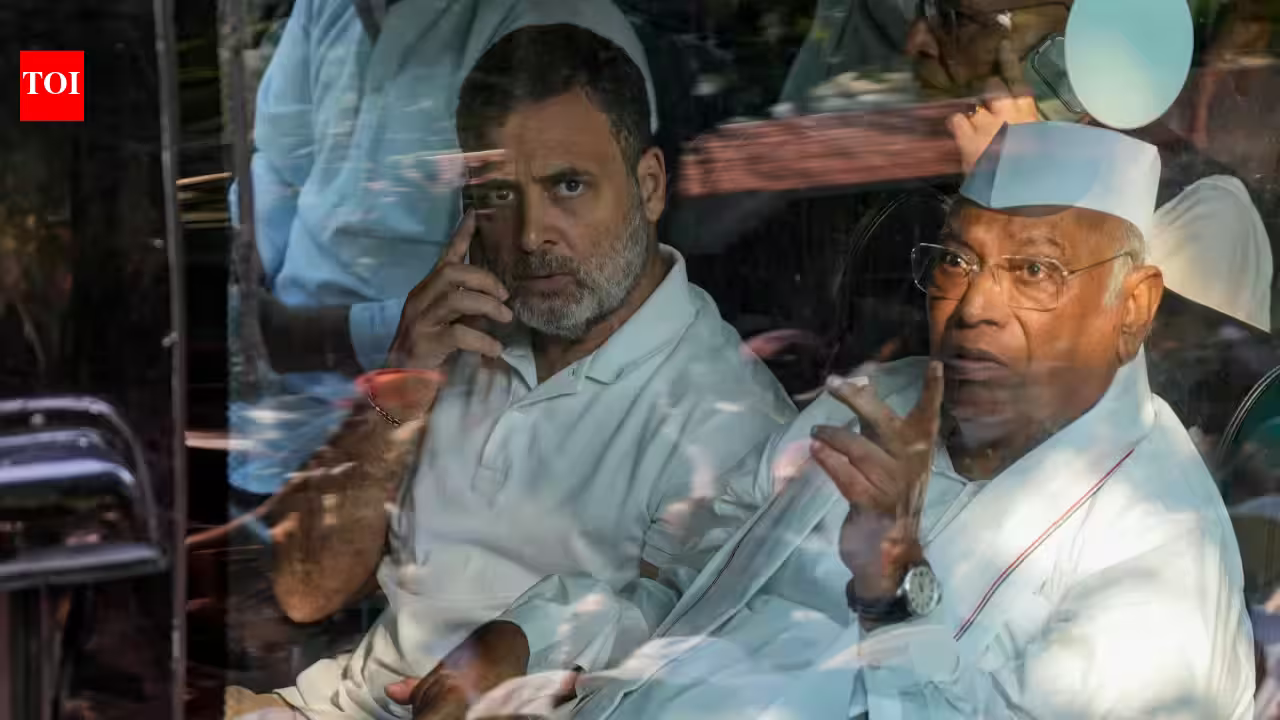
For millions like Kadam, the Tata Group is more than a conglomerate; it is a pillar of national identity, representing decades of trust, philanthropy, and industrial growth. However, beneath this unwavering consumer faith, a storm is brewing in the upper echelons of the group’s leadership. A public and increasingly bitter disagreement between Tata Sons, the group’s holding company, and Tata Trusts, its principal philanthropic shareholder, has raised fundamental questions about the future of one of India’s most influential business houses.
A Rift at the Helm
The current conflict is anchored in two major disputes: the controversial push to list Tata Sons on the stock exchange and the reappointment of Chairman N. Chandrasekaran. While the board of Tata Sons—bolstered by support from the SP Group—has moved to push these resolutions forward, Noel Tata, chairman of Tata Trusts, has emerged as a staunch opponent.
Noel Tata argues that a public listing would inevitably erode the group’s long-standing philanthropic ethos. This misalignment has effectively pitted the corporate entity against the “moral compass” of the organisation. Industry experts suggest this is not merely a boardroom squabble but a deep-seated crisis of governance. According to Shriram Subramanian of InGovern Research, the divide highlights a dangerous disconnect between the directors running the businesses and the trustees guarding the legacy.
The Shadow of a Titan
The volatility within the group has become more pronounced following the passing of the iconic former chairman, Ratan Tata, in 2024. During his tenure, Ratan Tata’s personal brand and his commitment to social welfare were the glue holding the disparate parts of the conglomerate together. His death not only triggered national mourning but also exposed a leadership vacuum, as the group struggles to navigate its future without its guiding star.
For decades, the Tata Group has successfully managed to keep its internal challenges private. However, this tradition of discretion is crumbling. Conflicting statements, legal notices, and accusations of governance lapses are now playing out in the public eye.
Beyond the Boardroom
While the average consumer remains largely shielded from these corporate theatrics, the polarization among investors, business partners, and employees is growing. Brand consultants warn that the very essence of the Tata name—which has been synonymous with transparency and integrity—is under strain.
The group has weathered massive challenges in the past, from the tumultuous removal of Cyrus Mistry in 2016 to various industrial and acquisition-related controversies. Yet, those events were often external or clearly defined by the leadership of the day. This current chapter is defined by internal friction.
As Noel Tata seeks alternative solutions—such as buying back shares or restructuring to avoid a public listing—the conglomerate stands at a crossroads. The resolution of this conflict will likely set the tone for the next generation of Tata leadership. Whether they can reconcile the demands of modern market dynamics with the philanthropic foundations established by Jamsetji Tata in 1868 will determine if the brand can maintain its status as India’s most trusted institution. For now, the corporate world watches closely, as the benchmark for Indian business governance faces its sternest test yet.
Disclaimer: This content is auto-generated for informational purposes only.
Source: Read Original News