







Himalayan Hazards: Bhutan’s Hydropower Ambitions Face Growing Climate Risks
At 4,500 metres above sea level in the remote Lunana region of northern Bhutan, glaciologist Karma Toeb is engaged in a race against time. Surrounded by the stark, unstable landscape of the Thorthormi glacial lake, Toeb and his team are testing advanced siphon technology, hoping to drain the rising water and prevent a catastrophic glacial lake outburst flood (GLOF).
The stakes are immense. A potential breach of the Thorthormi and nearby Raphstreng lakes threatens not only the high-altitude communities of Lunana but also the foundational pillars of Bhutan’s economy: its massive hydropower projects.
A Fragile Economic Backbone
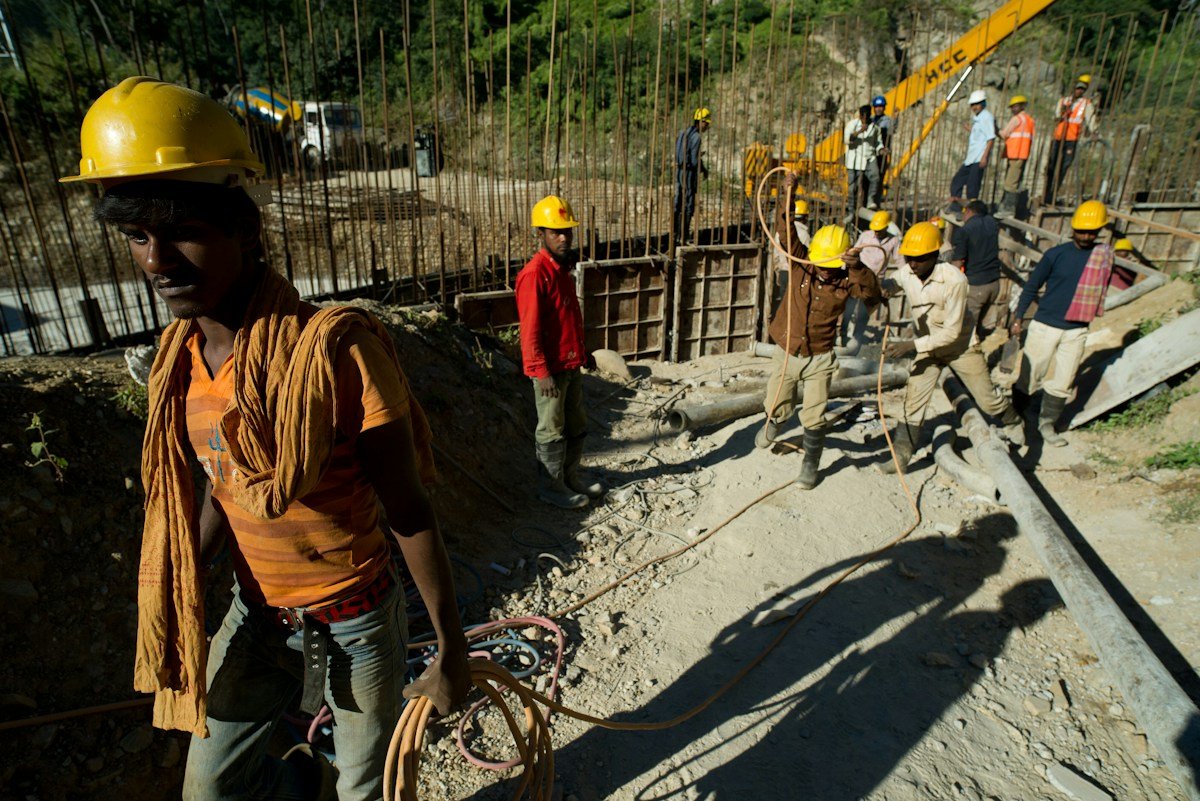
Hydropower is the lifeblood of Bhutan’s economy, contributing up to 15% of the nation’s GDP and accounting for more than a third of its export revenue. The sector is inextricably linked to India, which serves as the primary financier and sole buyer of Bhutanese electricity. The recent commissioning of the 1-gigawatt Punatsangchhu-II project, following decades of collaborative infrastructure development, has fueled a near 9% growth in the Bhutanese economy.
However, the rapid warming of the Himalayas is creating a dangerous paradox. As Bhutan doubles down on ambitious targets to reach 15 gigawatts of generation capacity by 2040, the physical stability of the terrain supporting these multi-billion-dollar investments is deteriorating.
Lessons from a Regional Crisis
The urgency of the situation was underscored by the devastating floods that struck Nepal and Tibet in late August. With nearly 1,500 lives lost and at least 15 hydropower plants severely damaged, the disaster served as a grim warning for the entire Himalayan region.
Experts from the UN Economic and Social Commission for Asia and the Pacific warn that conventional flood planning is no longer sufficient. Hydropower facilities must now account for “cascading hazards”—complex sequences of ice avalanches, landslides, and debris flows that can overwhelm spillways and clog intake tunnels. Even if a dam remains structurally sound, the influx of millions of tonnes of sediment and boulders can render a plant useless, as witnessed recently in Nepal and at Bhutan’s Yungichhu project in 2023.
Preparing for the Inevitable
Bhutan is moving beyond basic detection. While the country currently maintains a network of hydro-meteorological stations and siren systems, the National Center for Hydrology and Meteorology is shifting toward a forecast-based approach. By utilizing real-time data on temperature and rainfall, authorities hope to gain enough lead time to evacuate downstream areas like the historic Punakha Dzong, which would be in the path of a major flood.
Despite the fear among residents—some of whom still remember the trauma of the 1994 Luggye lake disaster—there is a sense of resilience. Government authorities have been conducting regular evacuation drills, and the close energy integration with India provides a safety net. India’s ability to reroute power and provide market stability offers a buffer against the loss of individual assets.
Yet, for researchers and officials like Toeb, the emotional and financial burden is heavy. “We are not contributing anything to the impact of climate change, but still we have to face this burden,” Toeb says. As Bhutan navigates the transition toward a cleaner energy future, the country remains a frontline sentinel in the global fight against the escalating risks of a warming planet. Whether its ambitious engineering can withstand the mounting pressure of the melting Himalayas remains the defining challenge of the decade.
Disclaimer: This content is auto-generated for informational purposes only.
Source: Read Original News