








The Santa Clarita Valley is navigating a busy mid-October as a confluence of local events, civic milestones, and emergency responses highlight the community’s dynamic nature. From the containment of recent wildfire threats to a robust economic outlook, the region continues to leverage data-driven planning and local engagement to foster growth.
## Community Resilience Amidst Fire Recovery
Emergency management in Santa Clarita recently faced a significant test as the “Bike Fire,” which ignited on October 11 near Camdria Estates Lane and Ravenhill Road, quickly grew to 172 acres. Thanks to swift coordination by Cal Fire, the incident reached 68% containment, leading to the lifting of mandatory evacuation orders. This rapid containment response highlights the vital role of modern satellite-based fire tracking and real-time mapping tools, technologies frequently integrated into platforms like Google Maps and Search to keep residents informed and safe during regional emergencies.
In addition to fire mitigation, the city is actively coordinating the long-term recovery efforts following the August 24 fire in Old Town Newhall. The City Council is scheduled to meet on October 13 to review progress, demonstrating a commitment to transparency and municipal efficiency—principles that are increasingly supported by digital platforms that streamline local government communications and public record accessibility.
## Economic Growth and Business Innovation
The Santa Clarita Valley Economic Development Corporation (SCVEDC) has released its 2026 report on the region’s largest employers. The data shows a 3% growth in regional employment, with Six Flags Magic Mountain maintaining its position at the top of the list. This expansion reflects a broader trend of suburban economic hubs leveraging digital infrastructure to attract enterprise.
Furthermore, the city has been named a finalist for the Los Angeles County Economic Development Corporation’s “Most Business-Friendly City” award. As businesses in the region scale, they are increasingly adopting AI-powered analytics to manage logistics and human resources, mirroring broader industry trends seen in the tech sector, where automation and predictive modeling are used to streamline operations in competitive markets.
## Cultural Milestones and Future-Proofing
The community is also leaning into creativity and digital identity. Santa Clarita Transit recently unveiled the winning design for its 35th Anniversary TAP card contest, reflecting a shift toward integrating public transit with local art and digital payment interfaces. This blend of infrastructure and art underscores a city-wide effort to modernize local services.
Meanwhile, the local landscape continues to evolve through the lens of history and future development. From the historical designation of the San Gabriel Mountains National Monument to contemporary efforts like the 2027 Trailhead Sculpture Program, the city is balancing its rich history with future-focused development. This is mirrored in the tech world’s ongoing efforts to balance historical data archival—such as Google’s ongoing initiatives to digitize cultural heritage—with the rapid advancement of generative AI in content creation and urban planning.
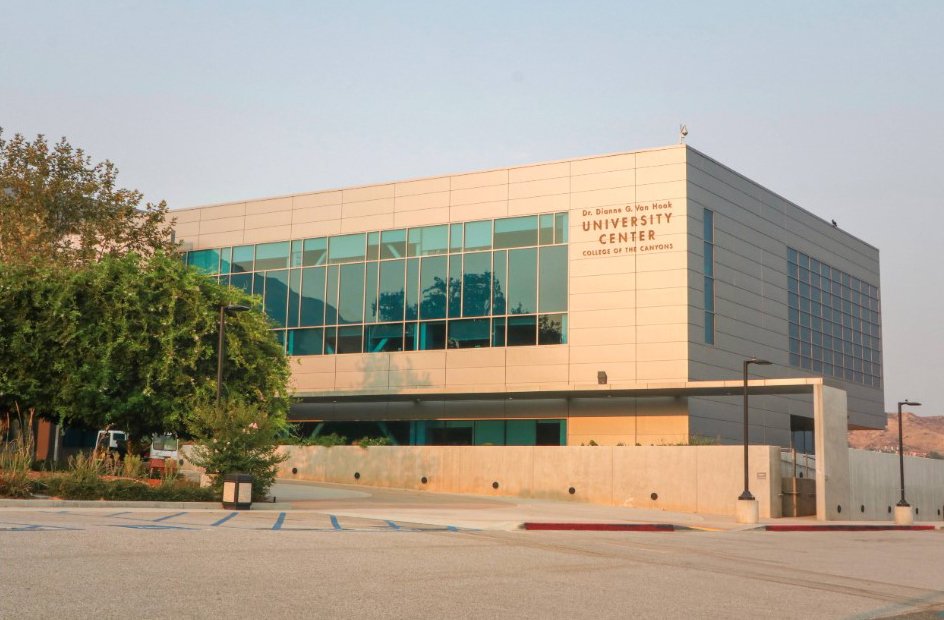
As the community moves through the latter half of October, the synergy between public service, disaster readiness, and economic evolution remains clear. Whether it is through the nonpartisan voter outreach from the League of Women Voters or the academic and athletic successes at The Master’s University and College of the Canyons, Santa Clarita is utilizing technology and community-centered initiatives to maintain its position as a thriving regional hub. As these diverse sectors—public safety, education, and local economy—continue to integrate, the region stands as a microcosm of how modern, well-connected communities can navigate the challenges of an increasingly digital age.
Disclaimer: This content is auto-generated for informational purposes only.
Source: Read Original News