







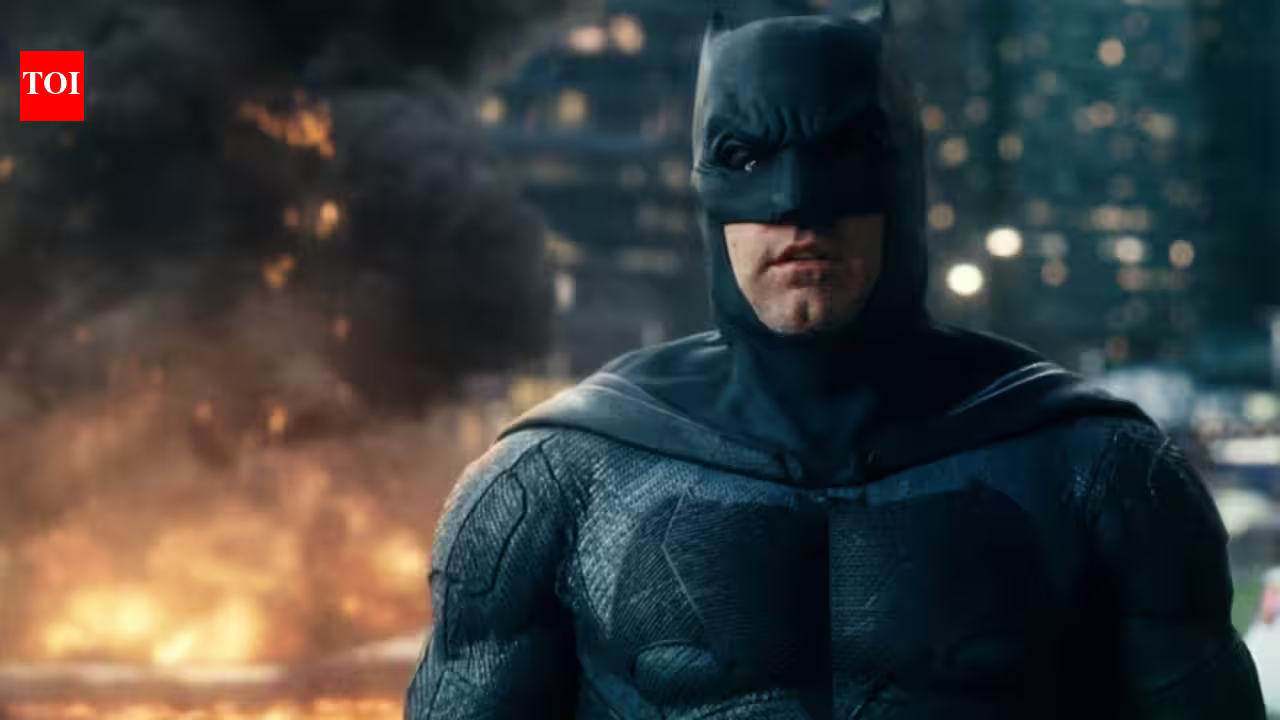
In the high-stakes, billion-dollar ecosystem of superhero cinema, the line between artistic vision and corporate mandates is often blurred. But rarely does a production unravel so publicly, so painfully, and with such lasting scars as the 2017 theatrical release of Justice League. For years, rumors of toxicity, studio interference, and creative chaos have swirled around the project. Now, Ben Affleck—who donned the cowl of Gotham’s caped crusader during this tumultuous period—is pulling back the curtain, offering a raw, unfiltered look at a production he now labels the absolute “low point” of his professional life.
Speaking on the Happy Sad Confused podcast, Affleck didn’t mince words. He wasn’t just talking about a bad experience on a set; he was describing a structural failure of leadership and, perhaps more damningly, a moral failure in how the studio navigated one of the most heartbreaking tragedies in modern Hollywood history.
A Perfect Storm of Personal and Professional Turmoil
To understand why Justice League left such an indelible mark on Affleck, one has to look at the atmosphere of the time. The film was conceived as the linchpin of the DC Extended Universe (DCEU), a grand assembly of icons meant to rival Marvel’s Avengers. However, midway through production, tragedy struck: Zack Snyder’s daughter, Autumn, died by suicide.
For many, this remains the defining moment of the film’s troubled history. While the studio—Warner Bros.—faced the impossible task of completing a massive blockbuster without its primary visionary, the way they handled the transition remains a point of deep contention. Affleck, who found himself caught in the crosshairs, reflects on the period with a mix of exhaustion and anger.
“The experience of Justice League was so negative for lots of different reasons, some of which have to do with where I was at personally and some of which had to do with the tragedy that happened at that time,” Affleck admitted. He noted that he was navigating his own private battles, including a well-publicized struggle with alcoholism and the dissolution of his marriage to Jennifer Garner. Yet, even through that haze of personal hardship, the professional environment on the Justice League set stood out as particularly toxic.
The ‘Gross’ Reality Behind the Reshoots
The transition from Snyder to Joss Whedon, who was brought in to oversee extensive reshoots, is often cited by fans as the moment the film’s tone shifted from cohesive to disjointed. Affleck’s recent comments validate the worst suspicions of the fandom: that the studio used the tragedy as a convenient cover to steer the film in a different direction.
“That was shitty, him being taken off that movie and the reshoots that we did,” Affleck stated bluntly. “If you want the low point of my career, it was that.” He went even further, calling out the studio’s motivations during a time of immense human grief: “The way in which that was, I thought, used as an excuse [to replace Zack] was one of the shittiest things I’ve ever seen. It was so gross.”
This is a rare moment of candor from an A-list actor who typically plays the PR game with precision. By calling the studio’s tactics “gross,” Affleck is challenging the sanitized narrative often presented by corporate press releases. He paints a picture of a production where human empathy was sacrificed at the altar of quarterly earnings and franchise consistency.
The Lesson of the ‘Disconnected’ Filmmaker
Beyond the personal tragedy, Affleck identifies a fundamental breakdown in how the movie was run. His critique offers a masterclass in how not to manage a massive tentpole film. He argues that the tension between the studio executives and the director turned the production into an exercise in futility.
“I saw how not to make a movie like that, which is where the studio is at odds with the filmmaker,” he explained. “You are really making a mistake.”
This friction resulted in what Snyder later confirmed as nearly 60 pages of new material being injected into the film under Whedon’s direction—material that shifted the tone, altered character arcs, and ultimately alienated the core audience. When the film hit theaters, the backlash was swift and brutal. Critics panned the disjointed pacing and the tonal whiplash, and fans were left wondering what might have been if the original vision had been allowed to breathe.
Redemption via the ‘Snyder Cut’
If there is a silver lining to this entire ordeal, it arrived in the form of the four-hour-long Zack Snyder’s Justice League, released on HBO Max years later. For Affleck, the release of the “Snyder Cut” was more than just a win for the fans; it was a vindication of his friend’s vision and a closure for the pain of the 2017 theatrical disaster.
“I was really glad and gratified that Zack got to release [his version],” Affleck noted. “That was f**king great. I was really happy for him.”
The success of the Snyder Cut served as a powerful rebuke to the studio’s 2017 interference. It proved that the audience was hungry for a singular, coherent vision rather than the committee-designed product that had been forced upon them. For Affleck, seeing his colleague reclaim his work after such a devastating personal loss provided a small measure of peace in an otherwise harrowing chapter of his career.
Looking Forward: Does the Caped Crusader Return?
Affleck’s recent comments have once again sparked speculation regarding his future in the DC Universe. Having been candid about the “low point,” he is seemingly at a place where he can view his time as Batman through a clearer lens. He has largely stepped away from the physical and emotional toll of such massive franchise roles, favoring more character-driven projects and his work behind the camera.
In the end, Affleck’s commentary serves as a cautionary tale for the industry. It reminds us that behind the CGI explosions and the marketing blitzes, these films are made by real people. When that human element—respect for the artist, empathy for the individual, and integrity in the creative process—is stripped away, the audience can feel it.
Ben Affleck survived the Justice League experience, but his words serve as a stark reminder that even in Hollywood, the price of “getting the job done” can sometimes be far too high. By finally speaking his truth, he hasn’t just clarified the past; he’s set a standard for how artists deserve to be treated, even when the lights are brightest and the stakes are highest.
Disclaimer: This content is auto-generated for informational purposes only.
Source: Read Original News