








The global economy is teetering on the edge of a precarious transformation as exhaustion in emergency energy reserves and mounting government debt threaten to undermine recent stability. In its latest World Economic Outlook, the International Monetary Fund (IMF) issued a stern warning that while the global market has shown surprising grit in the face of ongoing geopolitical strife, the safety nets that have kept the world afloat are rapidly fraying.
## A System Running on Empty
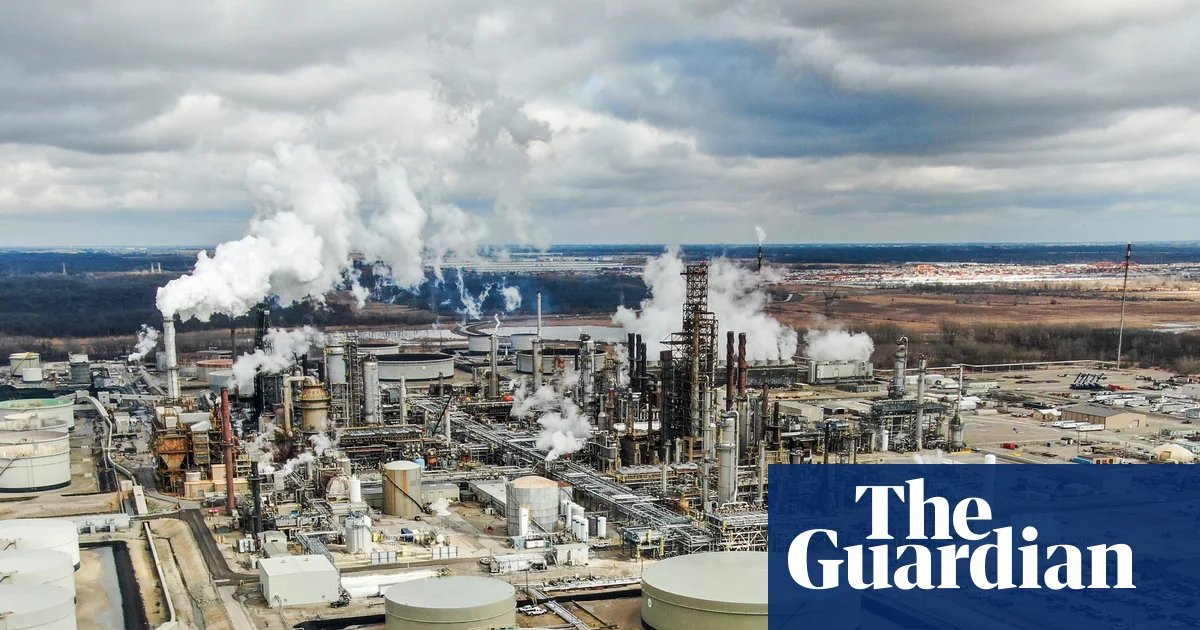
The resilience observed over the last six months was largely bolstered by the strategic release of national energy stocks and the tactical rerouting of oil supplies away from volatile maritime chokepoints. However, the IMF notes that these measures were a temporary fix rather than a long-term solution. With strategic petroleum reserves in nations like the US falling to historic lows not seen since 1982, the capacity for governments to shield citizens from future price shocks is severely diminished.
IMF Managing Director Kristalina Georgieva has urged world leaders, currently gathered in Bangkok for annual meetings, to pivot toward fiscal responsibility. High debt-to-GDP ratios mean that many nations lack the budgetary “breathing room” required to respond effectively if the conflict in the Middle East escalates or supply chains face further disruption. The message is clear: policymakers must stop delaying structural adjustments and begin replenishing their economic defenses.
## Navigating Growth and Persistent Inflation
The IMF’s updated outlook offers a mixed bag of news regarding global growth. The forecast for global expansion was nudged up slightly to 3.1% for this year, with a projected 3.4% for 2027. The United States remains steady at a 2.3% growth rate, while the UK saw a positive revision to 1.3% for the current year.
However, these figures mask an underlying vulnerability. Sustained high energy prices, combined with elevated long-term interest rates, are beginning to dampen consumer sentiment and business investment. Consequently, the IMF warns that growth could begin to decelerate as early as next year. Furthermore, inflation remains a stubborn adversary. Projections for global inflation have been adjusted upward, suggesting that the era of high prices may last longer than central bankers previously anticipated.
## The Looming Shadow of Technological Volatility
Beyond the traditional concerns of energy and debt, the financial sector is increasingly preoccupied with the rapid, unchecked integration of artificial intelligence. The IMF report highlights that the potential for an AI-driven market crash remains a significant, non-traditional risk to global stability.
As the tech industry continues to pour unprecedented capital into AI infrastructure, regulators and economists are expressing concern that the market may be overextended. There is growing fear that the rapid deployment of these technologies, while promising productivity gains, could lead to systemic market instability if the “AI bubble” faces a sudden correction. As the IMF noted during the Bangkok proceedings, the global financial landscape is currently in a state of flux. With tech-driven assets influencing broad market sentiment, central banks are being urged to maintain a high degree of agility. Officials are cautioned against overreacting to short-term inflationary spikes while simultaneously remaining vigilant against the risk that volatility—whether sparked by an energy crisis or an AI-induced market correction—could become deeply entrenched in the global economic fabric.
Disclaimer: This content is auto-generated for informational purposes only.
Source: Read Original News