






New Delhi Grapples with Geopolitical Whiplash as Trump Strikes Diesel Deal with Russia
The global energy landscape faced a sudden, jarring shift this October as U.S. President Donald Trump, just weeks after enacting stringent sanctions against Russian energy, pivoted to announce a surprise supply deal with Moscow. The agreement, which facilitates the flow of Russian diesel to American and global markets, has created a complex web of diplomatic and economic challenges for India, leaving policymakers in New Delhi to navigate a volatile new reality.
The “America First” Pivot
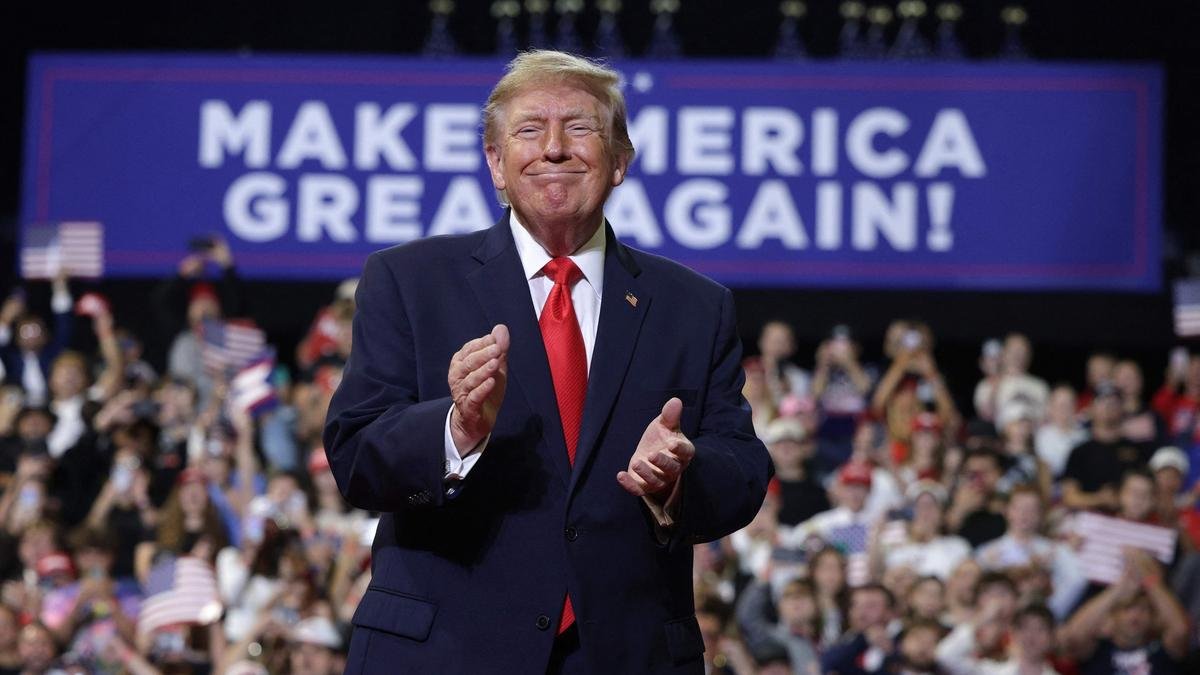
On October 10, 2026, President Trump utilized his social media platform to disclose that he had secured an agreement with Russian President Vladimir Putin. Under the terms, Russia is set to supply an initial 300,000 tonnes of diesel, with volumes expected to scale up to millions of tonnes in the coming months. Trump defended the move as a pragmatic necessity to suppress rising fuel costs for American consumers, characterizing the deal as an “America First” victory.
This development stands in stark contrast to the Lindsey O. Graham Sanctioning Russia and Iran Act signed into law on September 18. That bipartisan legislation was specifically designed to cripple Russia’s war funding by imposing tariffs of up to 100% on major importers of Russian hydrocarbons. By effectively waiving these concerns to secure cheaper fuel, the U.S. administration has triggered significant internal backlash, with prominent lawmakers arguing that the move undermines the very sanctions regime the U.S. recently championed.
Implications for India’s Trade Strategy
For India, the timing of this deal is particularly precarious. New Delhi has been engaged in long-standing negotiations for a comprehensive U.S.-India trade agreement, a process that has been repeatedly disrupted by shifts in Washington’s trade policies. India has already faced the imposition of 50% tariffs in 2025 and subsequent levies linked to labor and capacity investigations, largely justified by the U.S. through the lens of strict regulatory enforcement.
The hypocrisy of the U.S. now directly purchasing the same Russian fuel it has spent months penalizing India for importing is expected to cause significant friction. While India has historically attempted to balance its energy security needs with international compliance, the U.S.’s erratic stance complicates the diplomatic leverage New Delhi holds in trade talks. With China having already secured a temporary waiver until 2027, India remains the only major importer currently vulnerable to the harsh tariff mechanisms of the Graham Act, placing its energy sector in a state of high uncertainty.
The “Energy Ceasefire” Uncertainty
Adding to the complexity is the declared “energy ceasefire” between Russia and Ukraine. The initiative remains shrouded in ambiguity; Ukrainian President Volodymyr Zelenskyy’s initial confusion over the announcement suggests a lack of coordination between the primary parties.
Should the ceasefire hold, Russia would theoretically gain the breathing room necessary to repair its battered refinery infrastructure. This would reduce Moscow’s reliance on fuel imports—specifically the refined products India has been supplying to help stabilize the region’s energy crunch. However, with reports of continued attacks on energy infrastructure surfacing, the ceasefire appears more like a rhetorical gesture than a tactical reality. As the conflict continues to evolve, India finds itself at the center of a geopolitical balancing act, caught between the shifting energy mandates of the U.S. and the unpredictable volatility of the Russia-Ukraine front line.
Disclaimer: This content is auto-generated for informational purposes only.
Source: Read Original News