








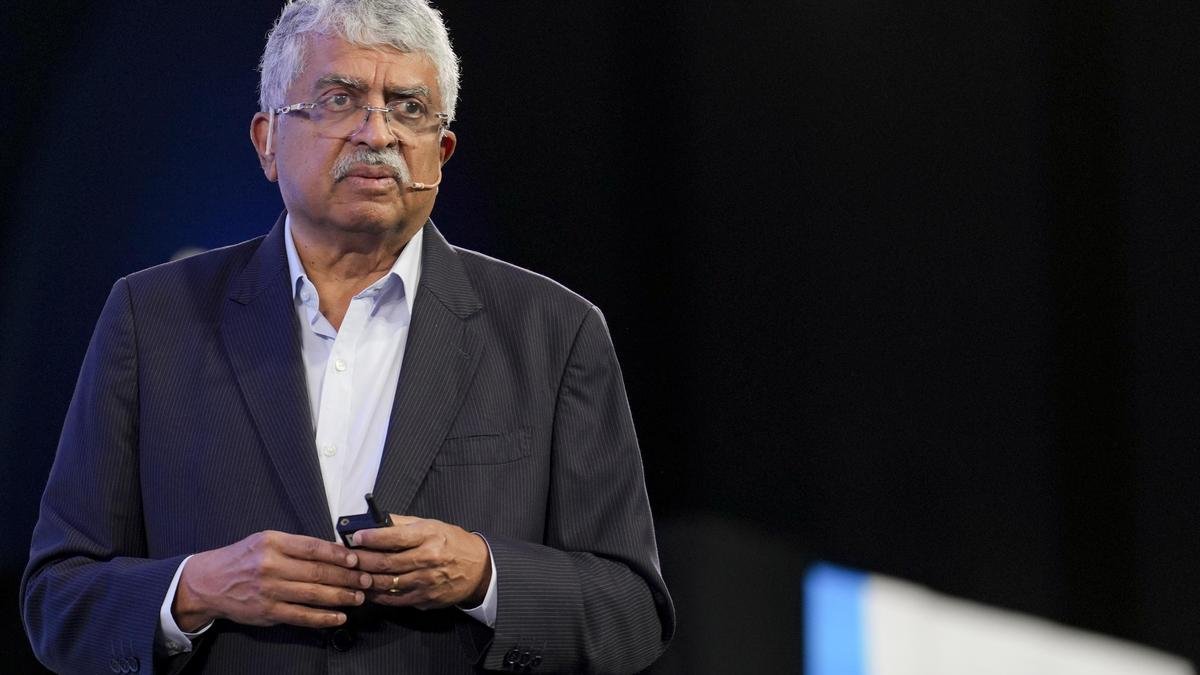
The Indian examination system, long reliant on traditional pen-and-paper formats, is currently undergoing a critical evaluation. In response to recurring concerns regarding the integrity and security of national-level tests, a government-appointed task force led by Infosys co-founder Nandan Nilekani is exploring a technological overhaul to ensure fair assessment for millions of students.
## Addressing the Roots of Malpractice
The central challenge facing India’s testing ecosystem, particularly in the wake of controversies surrounding the NEET-UG 2026 examination, is the vulnerability of the paper-based model. According to Mr. Nilekani, the physical nature of a “question paper” creates an inherent economic incentive for leaks. When a static document is printed, transported, and stored days before an exam, it becomes a high-value target for illicit activity.
To mitigate this, the task force is championing a shift toward a dynamic testing architecture. By utilizing a massive, encrypted bank of questions, authorities could potentially generate unique, randomized question papers for individual students or testing centers only minutes before the examination begins. Mr. Nilekani suggests that Artificial Intelligence (AI) could facilitate this process, creating a secure, spontaneous paper that minimizes the window for external tampering.
## The Shift to Computer-Based Testing (CBT)
For these technological solutions to be effective, the government is prioritizing a transition from physical answer sheets to a Computer-Based Test (CBT) format. While this transition promises greater security, it presents a significant logistical challenge: the need for widespread, high-quality IT infrastructure.
Currently, the National Testing Agency (NTA) is collaborating with the All India Council of Technical Education (AICTE) to map existing government-owned IT resources. The goal is to establish a vast network of standardized testing centers. By focusing on government-run institutions rather than private centers, the task force aims to eliminate third-party vulnerabilities that have historically contributed to security breaches.
## A Mandate for Reform
The task force, established in July 2026, is comprised of a multidisciplinary panel of experts, including former ISRO chairman S. Somnath and former Intelligence Bureau director Tapan Deka. Their mission is twofold: to overhaul the operational efficiency of the NTA and to introduce structural policy reforms that restore public confidence in the examination system.
The scale of this reform effort is significant. The panel has conducted 18 internal meetings and over 40 consultative sessions, incorporating feedback from over 50,000 stakeholders, including students, parents, and professional associations. This inclusive approach highlights the government’s intent to move beyond temporary fixes and toward a long-term, digitized framework.
## Implications for Future Learning
The shift toward a digitally-driven examination model represents more than just a security upgrade; it reflects a broader change in how educational merit is evaluated in a technology-heavy era. As the task force prepares to submit its final report, the focus remains on leveraging technology as a tool for equity.
If implemented successfully, this digital-first approach could permanently change the landscape for candidates preparing for competitive exams in India. By removing the predictability of traditional exams and replacing it with real-time, AI-assisted generation, the policy aims to ensure that success is determined solely by a student’s knowledge and preparation, rather than the integrity of a paper chain. As these reforms take shape, they signal a decisive move to modernize Indian education, ensuring it remains resilient in the face of modern security threats.
Disclaimer: This content is auto-generated for informational purposes only.
Source: Read Original News