






Delhi Emerges as India’s Internet Shutdown Hotspot in 2026
New Delhi: In a concerning trend for digital rights, the national capital has recorded the highest number of internet shutdown incidents in India this year. While the country has generally witnessed a decrease in the frequency of web blackouts, Delhi’s statistics have surged, largely driven by administrative responses to civil unrest and public protests.
The issue has regained national attention following recent demonstrations triggered by the resignation of the Chief Election Commissioner. As the city grapples with intermittent connectivity, the debate regarding the necessity and legality of such restrictions has intensified, especially in light of the Supreme Court’s firm stance that internet access should remain unhindered to ensure the seamless functioning of daily life.
Two Distinct Waves of Disruption
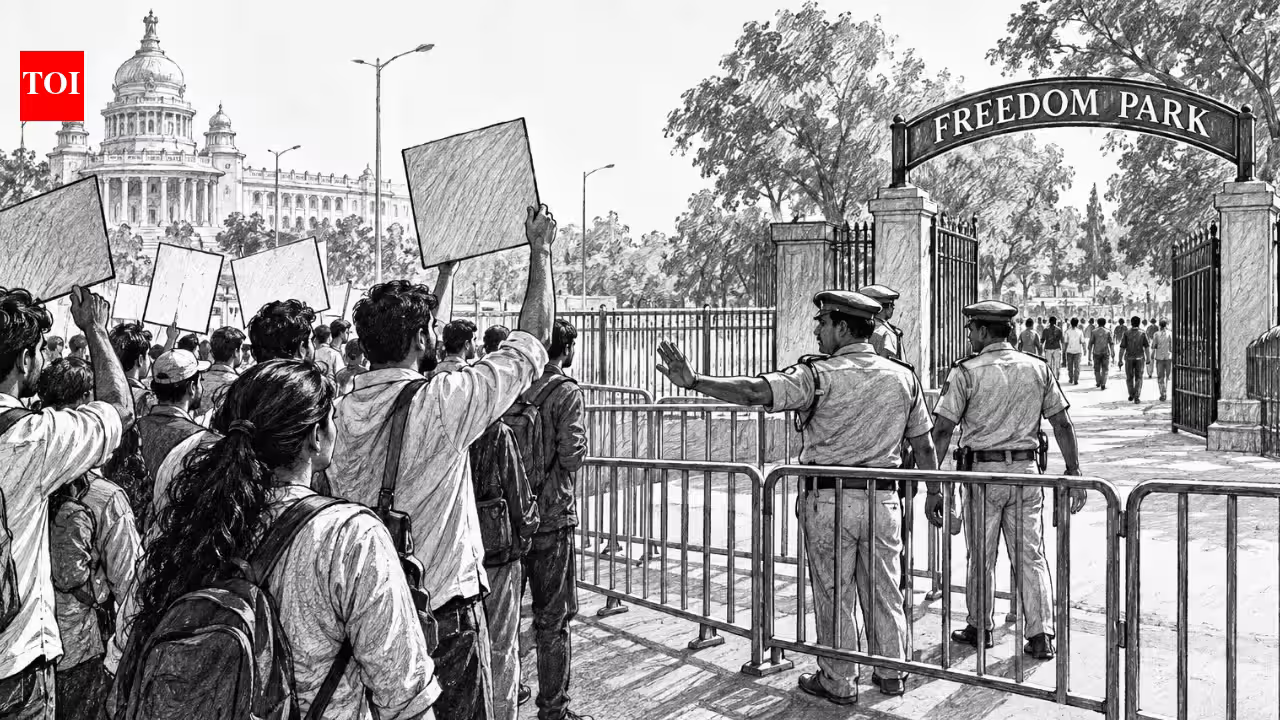
Data compiled by the Software Freedom Law Centre (SFLC) highlights two specific periods of turbulence in Delhi during 2026. The first wave occurred in July, centered around widespread protests concerning the NEET examination paper leaks. During a five-day window between July 20 and July 25, authorities imposed internet suspensions on five separate occasions, primarily targeting Central Delhi. These blackouts typically ranged from eight to 24 hours, effectively paralyzing digital communication for students, businesses, and essential services.
The second wave surfaced in October, sparked by the high-profile resignation of the Chief Election Commissioner. Unlike the localized shutdowns seen in July, the October restrictions were significantly more widespread. The measures extended well beyond the city center, impacting various peripheral neighborhoods, including Nangloi, Bawana, Nizampur, and Daulatpur.
A National Trend vs. Local Reality
While Delhi stands out as a clear outlier, the broader national data presents a more optimistic outlook. As of October 10, 2026, India recorded a total of 32 internet shutdown incidents. This represents a significant decline compared to the 65 incidents documented in 2025 and is a marked improvement from the peak of 136 shutdowns recorded in 2018.
Despite this downward national trajectory, Delhi has been responsible for 25% of all shutdowns in the country this year, accounting for eight distinct incidents. Manipur follows closely with seven incidents, while Jammu and Kashmir and Rajasthan have each reported four. Collectively, Delhi and Manipur account for nearly half of all connectivity disruptions across India, indicating that internet shutdowns remain a primary, albeit controversial, tool for managing law and order in specific regions.
India’s Global Standing
Though domestic shutdown numbers have trended downward since 2021, India remains one of the most frequent users of this measure on a global scale. According to data provided by the digital rights organization Access Now, India ranked second only to Myanmar in 2025 regarding the total number of internet blackouts imposed.
As legal and civil society experts continue to advocate for the right to information and communication, the reliance on internet shutdowns in the capital remains a point of friction. The recurring nature of these disruptions in Delhi suggests that despite judicial warnings, the state continues to prioritize security-driven connectivity blocks during periods of social and political volatility.
Disclaimer: This content is auto-generated for informational purposes only.
Source: Read Original News