









The Strategic Roadmap for BS-VII Emission Standards
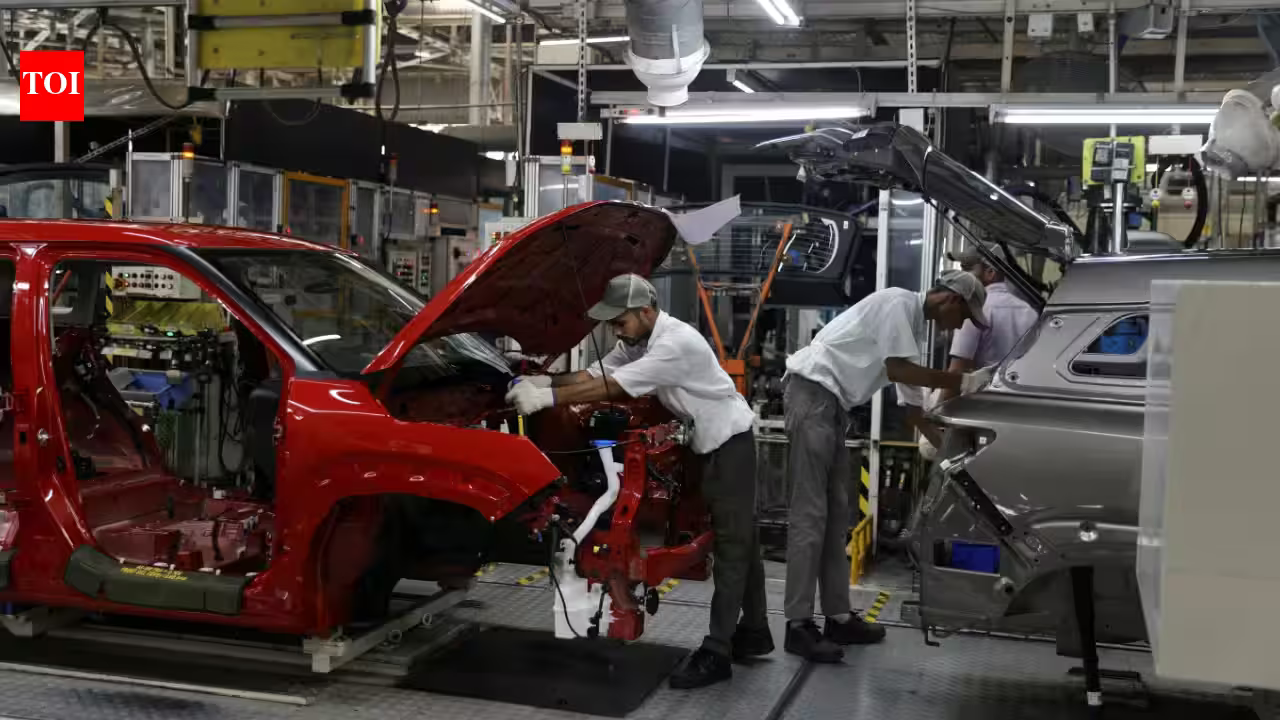
The Indian government has officially unveiled its roadmap for the transition to Bharat Stage VII (BS-VII) emission standards, a critical shift that aligns the nation with global Euro 7 norms. Commencing in April 2029, this phased implementation strategy is designed to curb vehicular pollution while allowing the domestic automobile industry sufficient lead time to re-engineer engine architectures. By staggering the rollout across three distinct categories—passenger vehicles, light-duty goods carriers, and heavy-duty commercial transport—the administration aims to mitigate industrial disruption while progressively tightening the regulatory net around harmful atmospheric pollutants.
The transition process is scheduled to conclude by April 2035. Unlike the previous shift from BS-IV to BS-VI, which necessitated massive capital expenditure in refinery infrastructure to produce cleaner fuels, the migration to BS-VII is primarily an engine-level technological challenge. This distinction is vital for the oil and gas sector, as it suggests that the current fuel quality standards are considered robust enough to support the initial requirements of the new emission parameters. For the automobile industry, however, the mandate represents a significant research and development milestone, requiring advanced engineering to meet more granular filtration requirements for particulate matter.
Technological Imperatives and Engine Engineering
At the core of the BS-VII mandate is the objective of capturing ultra-fine particulate matter. While the core emission limits for cars and SUVs will largely reflect current BS-VI levels, the technical threshold for particulate numbers will see a significant reduction from 23 nanometres to 10 nanometres. This reduction is a major advancement in public health policy, as smaller particles are capable of penetrating deeper into the human respiratory system. Consequently, manufacturers must implement superior exhaust filtration systems and potentially modify combustion management processes to ensure compliance.
For the heavy-duty commercial vehicle sector, the technological hurdle is considerably higher. Estimates indicate that the new standards aim to reduce emissions in the range of 20 to 50 percent across various pollutants for trucks and buses. Achieving these reductions under real-world driving conditions—rather than strictly within the confines of laboratory environments—will require manufacturers to integrate more sophisticated after-treatment devices. The focus is shifting from achieving low emissions under ideal testing scenarios to ensuring that vehicles remain clean throughout their entire operational lifespan, a move that mandates higher durability for critical engine components and sensors.
Redefining Compliance Through Market Surveillance
One of the most significant departures from previous regulatory frameworks is the introduction of comprehensive market surveillance. Historically, vehicle compliance was verified primarily through certification testing conducted before a vehicle reached the mass market. The BS-VII framework, however, mandates that independent testing agencies perform in-use compliance checks. This shift places the burden of responsibility on manufacturers to ensure that vehicles continue to meet emission norms throughout their actual service life, effectively ending the era of “test-only” compliance.
This move effectively mirrors the European Union’s approach to post-market verification. By monitoring vehicles that are already in circulation, the government is signaling that it will no longer accept engine performance degradation as an inevitability of long-term vehicle usage. Furthermore, the new regulations acknowledge that vehicle pollution extends beyond exhaust pipes. The inclusion of non-exhaust sources, such as brake wear and tyre abrasion, into the regulatory discourse marks a sophisticated evolution in Indian environmental policy. Addressing these fugitive emissions is essential for urban centers where brake and road dust contribute significantly to air quality deterioration.
Economic Implications and Industry Preparedness
The six-year implementation window is a calculated measure to ensure that manufacturers can balance compliance with economic viability. By initiating the rollout in 2029 with passenger cars and SUVs, and extending the timeline for buses and heavy-duty vehicles to 2031, the government has created a sequential integration path. This allows companies to amortize the costs of new technology development across different product portfolios, preventing sudden surges in vehicle prices that could stifle consumer demand.
However, the industry must also account for the forthcoming regulations concerning two-wheelers. As the largest contributor to vehicular pollution in India, the two-wheeler segment remains a critical area for future policy notification. The delay in finalizing these specific norms suggests a need for greater clarity on how to apply complex filtration technologies to cost-sensitive, high-volume segments like motorcycles and scooters. When these regulations are eventually notified, they will likely force a fundamental redesign of entry-level mobility, potentially accelerating the industry’s shift toward electrification as a way to circumvent the technical costs of complex BS-VII combustion engines.
Competitive Landscape and Global Alignment
The alignment with Euro 7 norms is a strategic move to ensure that Indian manufacturers remain competitive in the global market. As international demand for lower-emission vehicles grows, Indian-based automotive firms that successfully internalize these rigorous BS-VII standards will find it easier to pivot toward export markets that enforce similar, or even stricter, environmental criteria. This regulatory harmony reduces the duplication of testing and development costs for companies that operate both domestically and internationally.
Furthermore, this policy stability provides a clear signal to foreign investors and technology partners. With a defined timeline spanning until 2035, the Indian automotive sector can now structure long-term investment cycles in engineering, talent acquisition, and facility upgrades. The focus is no longer merely on the survival of combustion technology, but on its modernization to meet the requirements of a greener economy. While the transition will undoubtedly be capital-intensive, the long-term benefit of establishing a high-tech, compliant, and globally recognized automotive manufacturing base is a central pillar of the nation’s industrial growth strategy.
Ultimately, the rollout of BS-VII is a test of the Indian manufacturing ecosystem’s agility. Success will depend on the ability of component suppliers to innovate quickly and the capability of original equipment manufacturers to maintain price parity while integrating advanced emission control hardware. As India moves toward these higher standards, it is positioning itself as a leader in sustainable mobility, balancing the necessity of industrial progress with the imperative of environmental health.
Disclaimer: This content is auto-generated for informational purposes only.
Source: Read Original News