








The Escalation of Intellectual Property Disputes in Gaming Hardware
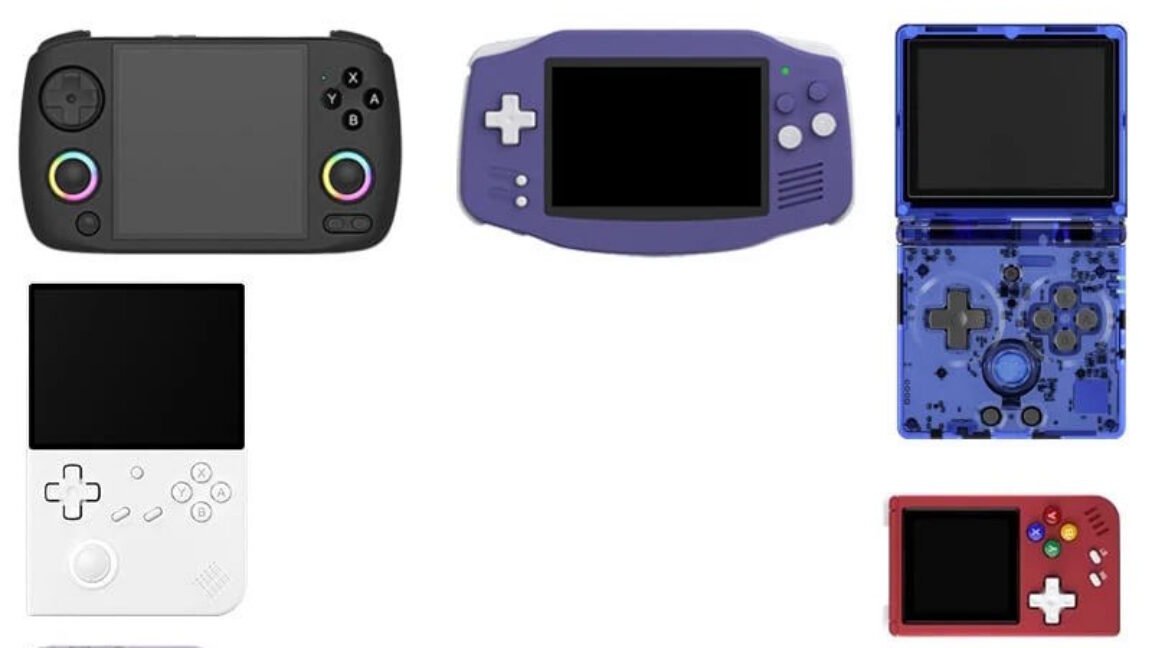
The landscape of handheld gaming has undergone a massive transformation over the last decade. Once dominated by major console manufacturers, the market now features a robust ecosystem of specialized hardware, much of it developed by firms based in China. These devices are designed primarily for running retro-gaming emulators or streaming modern titles from cloud platforms. However, the success of this sector has drawn the ire of the Entertainment Software Association (ESA), the primary trade body representing the interests of giants like Nintendo, Microsoft, Sony, and Ubisoft.
In a recent submission to the United States Trade Representative (USTR), the ESA has formally requested that Anbernic, a prominent manufacturer of emulation handhelds, be designated as a “Notorious Market.” This designation is reserved for entities that engage in or facilitate substantial copyright piracy or trademark infringement. This move signals a significant escalation in how major industry players are attempting to curb the proliferation of third-party hardware that lowers the barrier to entry for unauthorized software usage.
The Core Grievance: Preloaded Content and Distribution
The crux of the ESA’s argument rests on the distribution of pre-installed game libraries. While Anbernic maintains that its official storefront does not ship units with unauthorized software, the trade group argues that the broader retail ecosystem tells a different story. Many third-party distributors and marketplaces routinely bundle Anbernic hardware with removable SD cards containing thousands of pirated game files.
According to the ESA, this practice turns a legitimate piece of hardware into a vehicle for copyright infringement. By normalizing the acquisition of “illicit catalogues” alongside a polished, functional consumer device, these distributors lower the friction for users to access pirated content. The association posits that this systemic bundling constitutes a commercial-scale violation of intellectual property rights, effectively packaging piracy as an out-of-the-box convenience for the average consumer.
Defining the “Superfake” Challenge
A point of contention in this dispute is the ESA’s attempt to classify these devices as “superfakes.” In trade terminology, this label generally refers to high-quality counterfeit goods that mirror the aesthetic or functional value of legitimate products to deceive consumers or dilute brand equity. The ESA argues that these handheld devices mimic the functionality of authorized gaming consoles while providing a repository of stolen intellectual property.
By labeling these products as superfakes, the trade group is attempting to broaden the definition of piracy enforcement. They suggest that the hardware itself, when marketed in conjunction with massive libraries of copyrighted titles, becomes inseparable from the infringement. The argument is that the hardware manufacturers bear a level of responsibility for the ecosystem that has built up around their products, even if the primary distribution of illegal software often occurs at the secondary retail level.
Regulatory Implications of the Notorious Market List
Inclusion on the USTR’s Notorious Market List does not automatically trigger direct litigation or immediate criminal penalties for the targeted company. Instead, the list functions as a strategic document designed to increase public awareness and influence government enforcement priorities. By placing a company on this list, the USTR signals to customs officials and international trade regulators that these products require closer scrutiny.
The impact of this designation can be profound. For a company like Anbernic, which relies on global shipping and international retail partners, the inclusion could lead to significantly stricter import controls and increased vigilance at border checkpoints. If the USTR decides that the threat posed to American businesses is severe enough, it could initiate a Section 301 investigation. Such an investigation acts as a precursor to more severe trade actions, including tariffs, restricted access to the U.S. market, or sustained legal pressure from federal authorities.
The Future of Emulation and Hardware Independence
The conflict highlights the ongoing tension between technological advancement and intellectual property preservation. Handheld emulation devices have provided a bridge for fans to access legacy software that is often unavailable on modern platforms. However, the inclusion of pirated ROMs—even those provided by third-party retailers—remains a significant legal liability for the hardware manufacturers.
For developers and hardware designers, this situation serves as a stark reminder of the risks associated with ecosystems that depend on unauthorized software to drive sales. As the USTR prepares its review, the gaming industry is watching closely. If the ESA succeeds in its petition, it could set a precedent that forces hardware manufacturers to implement stricter controls over how their devices are bundled and sold by third-party vendors. Ultimately, this may lead to a cleaner, yet more restricted, market for portable gaming hardware, where the distinction between authorized software and pirated media is strictly enforced at the hardware level. The result may well be an industry shift toward cloud-based legitimate streaming services, leaving the legacy of localized hardware emulation in a precarious regulatory position.
Disclaimer: This content is auto-generated for informational purposes only.
Source: Read Original News