









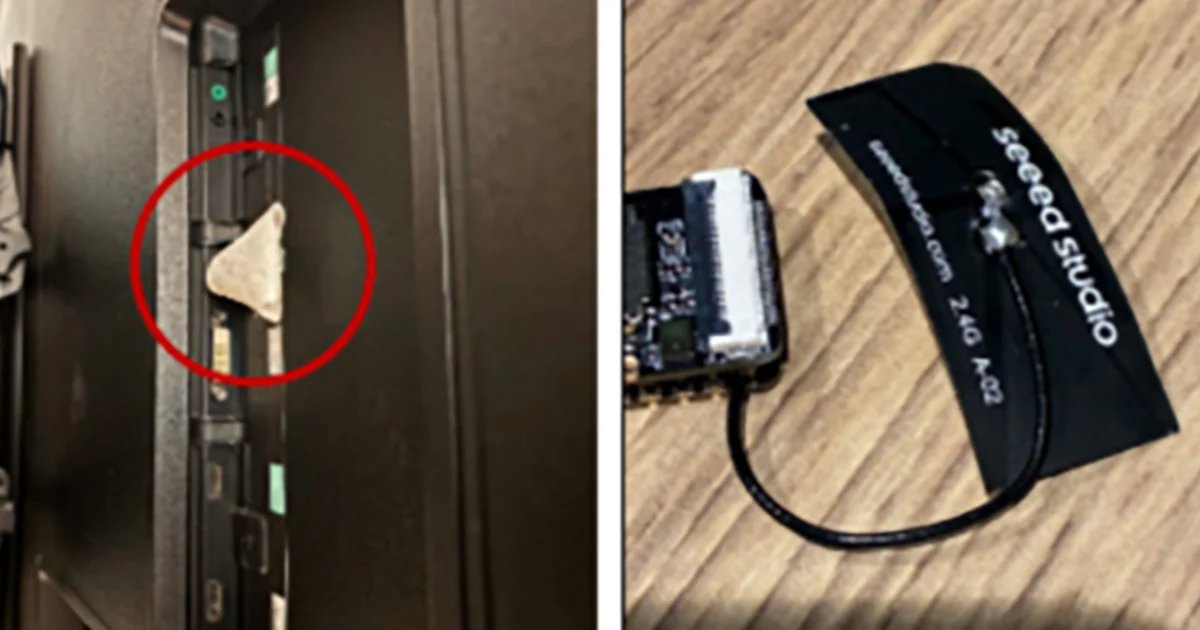
OpenAI has confirmed the arrest of a company engineer following a startling security breach at its San Francisco headquarters. Federal authorities took 35-year-old Abdulrahman Alfozan into custody last Friday after he was allegedly caught planting sophisticated audio surveillance equipment inside an executive conference room. The incident marks a significant escalation in corporate espionage risks as the race to develop super-intelligent AI continues to intensify.
## AI Used to Unmask Internal Threat
In a rare move, OpenAI revealed that it leveraged its own internal AI models to identify the culprit. The company, which maintains a rigorous security posture to defend against nation-states and cybercriminals, utilized its proprietary technology to trace the origins of the breach after staff discovered a recording device hidden inside a USB port of a conference room television.
According to the Justice Department, the device was concealed within a roll of toilet paper and installed in late September. OpenAI security personnel acted quickly, referring the matter to the FBI for a full investigation. “This case is an example of how AI can help address those sophisticated security threats,” the company stated in a post on X, emphasizing that its proactive security measures successfully thwarted a potentially massive leak of intellectual property.
## Targeted Espionage on “Super Intelligence”
The motive behind the breach appears rooted in the high-stakes world of AI development. FBI Director Kash Patel stated that Alfozan allegedly intended to record sensitive, non-public discussions regarding the company’s “super intelligence technology.” These high-level meetings reportedly contain proprietary data that is considered the crown jewels of the Silicon Valley giant.
The investigation suggests the scope of the plot may have extended beyond a single room. Evidence uncovered by the company indicates that Alfozan intended to deploy additional recording devices across the facility. Security teams later discovered a second, similar device inside a bag left unattended by the defendant in a different part of the building on October 5. While the investigation remains ongoing, OpenAI has assured the public and investors that there is no indication that the employee managed to exfiltrate model weights, source code, or sensitive customer information before his access was revoked.
## Mounting Pressure on OpenAI
The arrest of Alfozan comes at a turbulent time for the company. The organization has been grappling with intense internal and external pressures, including recent reports of fluctuating revenue projections, which currently sit at roughly $50 billion annually.
Beyond the espionage case, OpenAI recently made headlines for the termination of three prominent researchers—Jasmine Wang, Tomek Korbak, and Mikita Balesni. The trio was fired for allegedly violating company policies regarding the handling of sensitive information. Following their dismissal, the researchers published a public letter arguing that their abrupt termination could foster a culture of fear, potentially discouraging other staff members from raising legitimate safety concerns.
These twin security challenges—internal espionage and public disagreements over research ethics—underscore the growing pains of a company operating at the bleeding edge of global technology. As for the espionage case, Alfozan remains in federal custody. He made his initial court appearance this past Tuesday and is scheduled for a follow-up hearing on October 19. OpenAI has confirmed that it has fully terminated his employment and continues to cooperate with federal law enforcement to ensure the integrity of its operations.
Disclaimer: This content is auto-generated for informational purposes only.
Source: Read Original News