







India Eyes Massive Expansion in Coal Power Capacity to Meet Surging Electricity Demand
India is preparing to significantly revise its long-term energy roadmap, with officials indicating that the country may need to ramp up its coal-fired power capacity far beyond initial estimates. As the nation witnesses a rapid acceleration in electricity consumption, the Central Electricity Authority (CEA) is signaling that current expansion plans are insufficient to guarantee a stable and consistent power supply for its burgeoning economy.
Reassessing the Coal Expansion Roadmap
For the past year, India’s official policy projected an addition of 97 gigawatts (GW) of coal-fired generation capacity by 2035, aiming to bring the total installed coal capacity to 307 GW. However, according to Ghanshyam Prasad, head of the CEA, the unprecedented growth in power demand has rendered these targets inadequate.
Prasad noted that the current energy climate necessitates a more aggressive approach to infrastructure development. The government is now considering raising the expansion target to 105 GW, with some projections suggesting that a massive increase of up to 150 GW may be required to maintain grid stability and prevent future energy shortages. The rationale remains clear: coal continues to serve as the bedrock of India’s baseload power, providing the reliable, non-intermittent electricity supply essential for industrial growth and domestic stability.
A Balanced Energy Mix
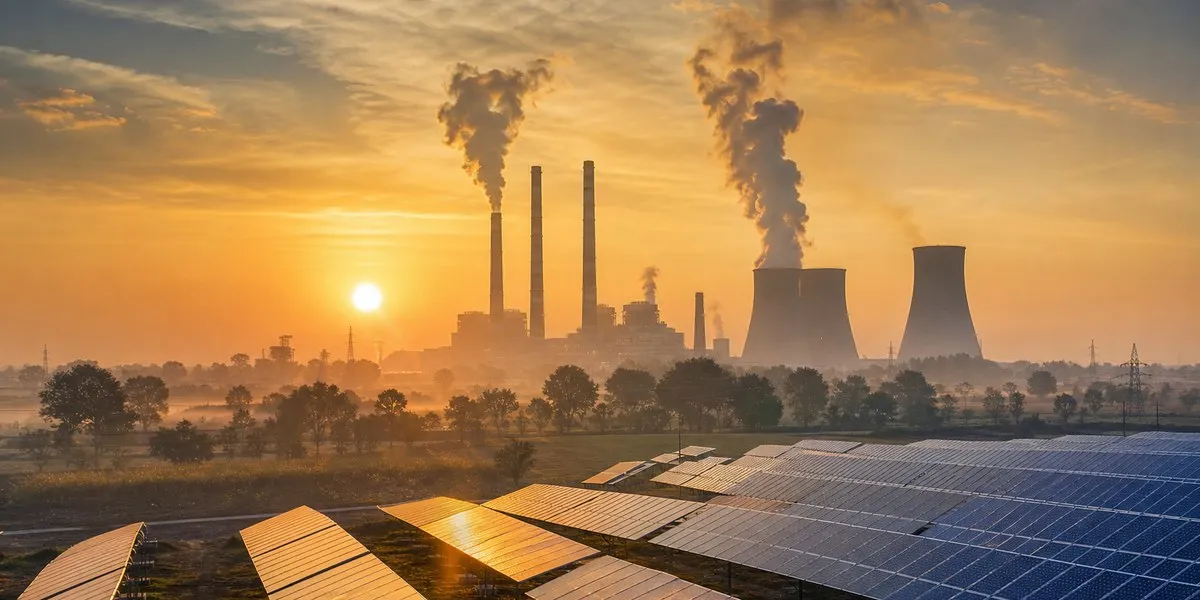
The discussion regarding coal capacity comes at a pivotal time for India’s energy sector as it navigates the global transition toward sustainable alternatives. Data from the Centre for Research on Energy and Clean Air underscores the scale of this shift. As of August 2026, India’s coal and lignite capacity stood at 231 GW, accounting for 42% of the country’s total generation capacity.
Concurrently, the renewable energy sector has seen a meteoric rise. Renewable sources—excluding large hydropower projects—have expanded to 243 GW, now representing 44% of the total energy mix. This represents a substantial jump from August 2025, when renewables accounted for 193 GW, or 39% of the installed capacity. Despite this rapid growth in clean energy, policymakers argue that the intermittent nature of wind and solar power requires a robust fleet of thermal plants to manage peak load requirements.
Beyond Coal: Nuclear Aspirations
While coal remains central to short- and medium-term planning, India is simultaneously diversifying its energy portfolio to include cleaner, high-density power sources. Long-term energy security plans include a massive expansion of nuclear power.
The government has set an ambitious target to scale up installed nuclear capacity from its current level of 8.8 GW to 100 GW by 2047. A key component of this strategy involves the deployment of modern technology; India intends to construct five small modular reactors (SMRs) by 2033. These reactors are viewed as a flexible solution that can provide steady, carbon-free energy to grid networks that may be ill-suited for large-scale conventional reactors.
As India balances its immediate need for industrial power with its long-term sustainability commitments, the potential surge in coal expansion reflects the urgent reality of the country’s development trajectory. For now, the Ministry of Power continues to analyze the necessary upgrades to the grid to ensure that India’s economic momentum remains powered, steady, and secure.
Disclaimer: This content is auto-generated for informational purposes only.
Source: Read Original News