









The Strategic Significance of the Alaska LNG Project
The global energy landscape is currently undergoing a structural realignment characterized by a renewed emphasis on energy security and geopolitical risk mitigation. The recent developments regarding Taiwan’s potential $4.4 billion investment in the Alaska Liquefied Natural Gas (LNG) project represent a significant case study in how energy infrastructure is becoming a cornerstone of international trade policy. For Taiwan, a high-tech manufacturing powerhouse with limited domestic energy resources, the pursuit of a long-term supply agreement with the United States is more than a commercial decision; it is a vital step toward diversifying its energy portfolio and insulating its economy from supply chain disruptions.
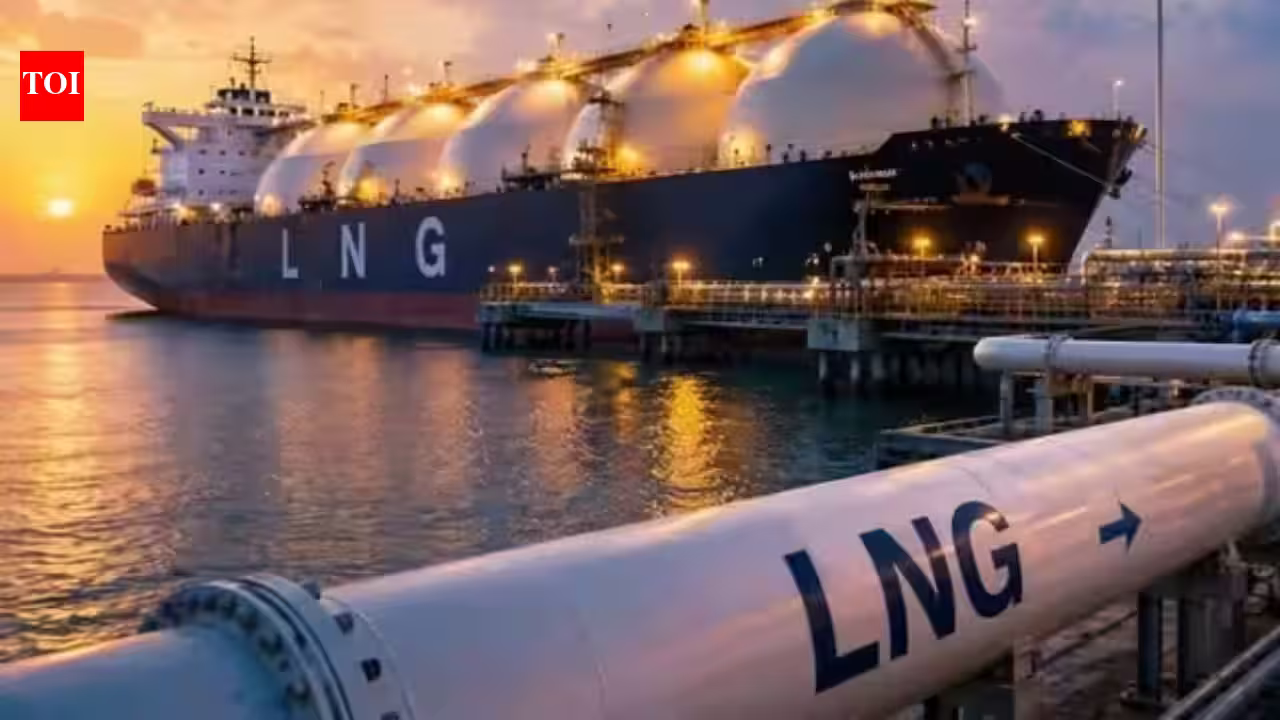
The Alaska LNG project, designed to export up to 20 million metric tonnes of gas annually, serves as a strategic bridge between North American supply and the energy-hungry markets of East Asia. By securing 30 percent of the project’s output—amounting to approximately 6 million metric tonnes per year—Taiwan’s state-owned CPC Corp is positioning itself to shift its reliance away from traditional, and potentially vulnerable, suppliers. This logistical recalibration is further bolstered by the geographic efficiency of the proposed route. By establishing a direct supply line from Alaska to East Asia, the project bypasses the navigational constraints of the Panama Canal and the longer routes around the Horn of Africa, thereby optimizing delivery timelines and reducing shipping costs.
Navigating Geopolitical and Commercial Complexities
The discourse surrounding the Alaska LNG initiative is inseparable from the broader US-Taiwan relationship. As the United States seeks to address trade imbalances, energy exports have emerged as a primary instrument of economic diplomacy. For the current US administration, encouraging foreign investment into American infrastructure is a method to generate domestic development while simultaneously strengthening ties with key allies.
However, the commercial viability of such a large-scale project remains a point of intense scrutiny among industry analysts. Despite decades of planning, the technical and financial hurdles inherent in constructing a massive pipeline and liquefaction facility in the challenging Alaskan environment are significant. The project’s success depends on the alignment of long-term capital expenditure with global price volatility. While Taiwan’s commitment of $4.4 billion provides a substantial foundation for the project’s development, the final terms—including equity stakes and precise pricing mechanisms—require complex negotiation. The ambiguity surrounding the final binding status of these agreements highlights the delicate balance between high-level diplomatic pledges and the rigorous standards of corporate governance that state-owned enterprises must follow.
Energy Security Models and the Global Context
Taiwan’s proactive approach to energy procurement offers a pertinent model for other energy-import-dependent economies. Energy security is increasingly defined by the ability to manage geopolitical dependencies and ensure the continuity of supply through diversified sourcing. In a world where maritime trade routes are subject to escalating tensions, securing energy at the source, rather than through middleman intermediaries, is an increasingly attractive proposition.
This strategy mirrors the efforts seen across major Asian economies. The transition from spot-market purchasing to long-term equity-backed infrastructure investments is a trend that reflects the necessity of stable, predictable energy inputs for industrial growth. As global competition for LNG intensifies, the ability of nations to offer capital investment in exchange for guaranteed volume will likely become a primary determinant of their energy stability. The Alaska LNG project illustrates that modern infrastructure development is no longer just about engineering; it is about creating a stable network of supply that links national interests with global commodity markets.
Relevance to the Indian Business Ecosystem
The implications of this development extend to the Indian market, which is currently one of the world’s fastest-growing importers of LNG. Much like Taiwan, India faces the dual challenge of meeting rising energy demand while managing a high dependence on imported hydrocarbons. The Indian government has consistently emphasized the need for a “gas-based economy” to lower carbon emissions and support industrial manufacturing, making the diversification of LNG imports a top priority.
Indian energy companies, such as GAIL and Petronet LNG, are also engaged in long-term procurement strategies and have previously explored equity investments in international gas projects. The move by Taiwan to invest directly in the upstream and midstream phases of US energy infrastructure provides a potential template for Indian firms. By participating as stakeholders rather than mere customers, Indian companies could potentially gain better control over input costs and supply consistency. However, India’s approach must balance these large-scale capital investments with the need for competitive pricing in a cost-sensitive domestic market. The Alaska project serves as a reminder that while equity-backed energy security is powerful, it requires deep financial pockets and a long-term commitment to weathering the cyclical nature of the global energy sector.
Future Outlook and Economic Implications
Looking ahead, the Alaska LNG project is positioned as a benchmark for future energy trade agreements. The involvement of multiple Asian partners, such as South Korea and Taiwan, suggests that the project is viewed as a multilateral effort to create a reliable Pacific energy corridor. The ability to finalize these agreements will depend on clear commercial structures that offer developers enough return to offset the massive initial investment costs, while providing buyers with enough price stability to justify the move away from other established suppliers.
For the global market, this development signifies a consolidation of energy trade between the United States and its allies. As the project progresses, industry stakeholders will be monitoring the regulatory and environmental hurdles that often delay such extensive infrastructure projects in the United States. If successful, the venture could set a precedent for similar collaborative investments, effectively creating a new class of energy partnerships that prioritize supply chain resilience.
In conclusion, Taiwan’s decision to commit to the Alaska LNG project is a calculated response to the realities of the modern energy market. By aligning its energy strategy with its geopolitical interests, Taiwan is attempting to build a sustainable, future-proof supply mechanism. While the path from memorandum of understanding to full operational capacity is fraught with commercial and logistical complexities, the project underscores the fundamental reality that energy security is a prerequisite for sustained economic prosperity in the twenty-first century. As these negotiations evolve, they will provide a valuable roadmap for other nations, including India, as they navigate their own paths toward energy independence and industrial growth.
Disclaimer: This content is auto-generated for informational purposes only.
Source: Read Original News