








A coalition of environmental groups spanning the Algarve and Alentejo is spearheading a robust campaign against the proposed Foupana dam, warning that the infrastructure project threatens to inflict irreversible damage on local biodiversity while cementing a water-intensive agricultural model that the region can no longer sustain.
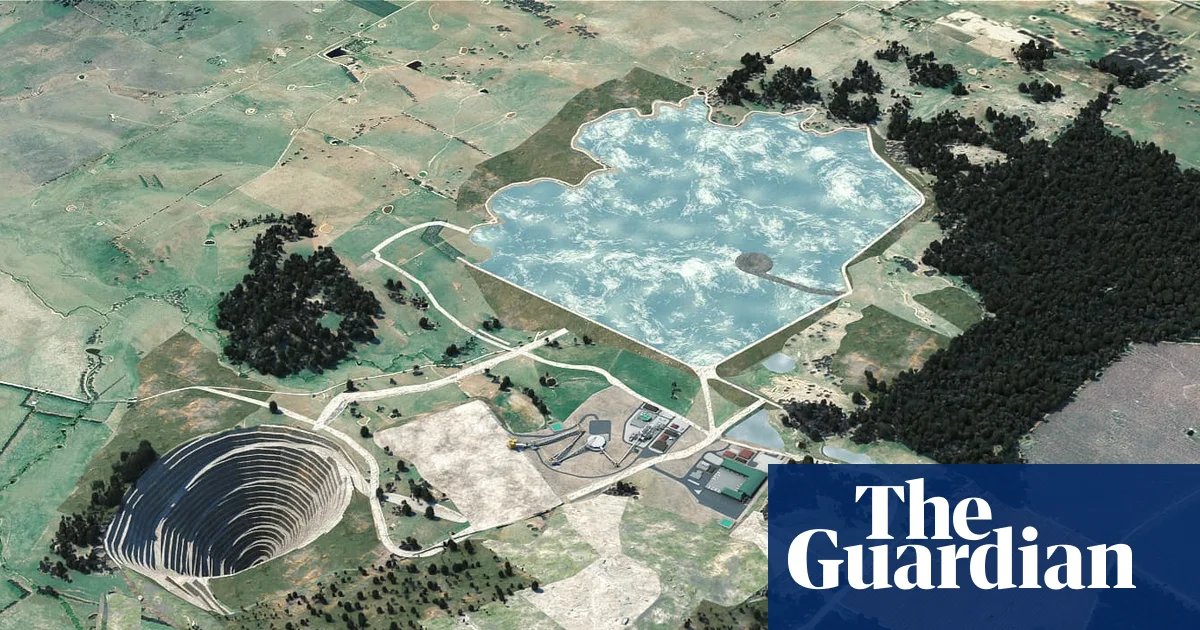
The Platform for Sustainability and Biodiversity of the Algarve and Alentejo (PPSBAA) has issued an urgent call for public participation in the government’s ongoing consultation process, which concludes on October 16. The project, currently in its preliminary stage, envisions a new reservoir located between the municipalities of Alcoutim and Castro Marim, connected via a tunnel to the existing Odeleite-Beliche water system.
Promoted by the Association of Irrigators of the Sotavento do Algarve, the project is billed as a necessary intervention to shore up the region’s public water supply and satisfy the growing needs of the agricultural sector. However, environmentalists argue that the dam is a short-sighted response to a deepening climate crisis. The Environmental Impact Assessment (EIA) itself paints a stark picture of the region’s future, predicting a temperature rise of up to 4°C and a potential decrease in annual rainfall of up to 26% in the coming years.
The PPSBAA argues that constructing the dam to expand industrial-scale irrigation is fundamentally incompatible with the harsh realities of a region experiencing rapid desertification. “It is indispensable to rethink and adapt the agricultural model,” the platform stated, advocating for a pivot toward drought-resistant Mediterranean crops that require significantly less water.
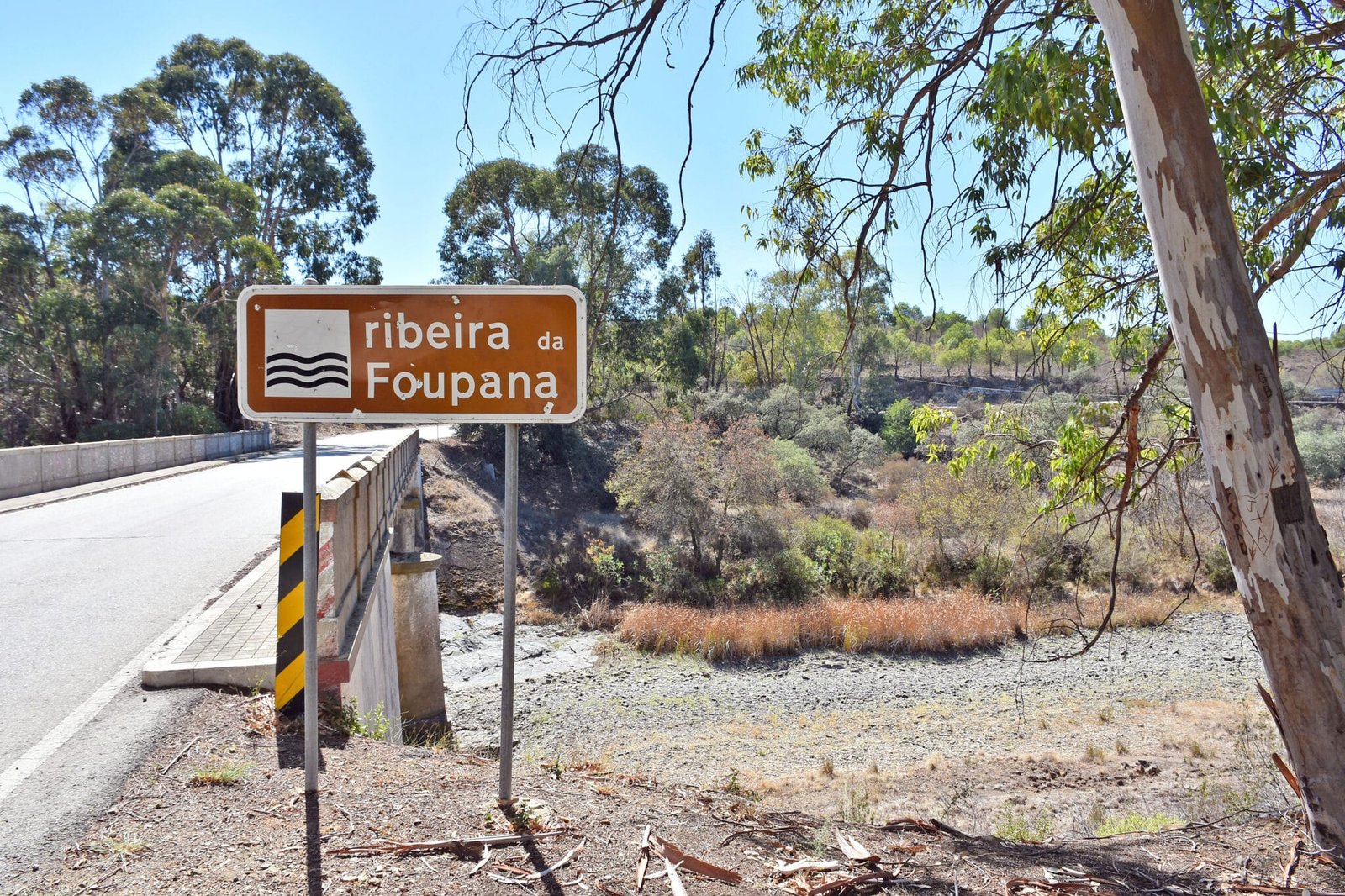
The ecological stakes are high. The Ribeira da Foupana, characterized by the platform as one of the most ecologically vital watercourses in the north-eastern Algarve, faces the prospect of having 18 kilometers of its riverine habitat submerged. The area is a critical refuge for biodiversity, with the EIA identifying 145 animal species—including 21 classified as threatened and 40 protected under EU directives. Key species such as the Iberian lynx, otter, golden eagle, and Bonelli’s eagle rely on the habitat that would be fragmented or lost should the project proceed.
While the EIA acknowledges these negative impacts, it contends that the project is viable if sufficient mitigation and compensation measures are taken, pointing to a preferred design—”Axis 3″—which would create a 99-million-cubic-meter reservoir with a smaller footprint than alternative proposals.
However, the PPSBAA remains unconvinced by the promise of mitigation. Instead of expanding storage capacity, the group urges authorities to focus on “managing water rather than wasting it.” They point to the fact that agriculture currently consumes roughly 57% of the Algarve’s water, suggesting that systemic improvements—such as reducing losses in urban and agricultural distribution networks and increasing the reuse of treated wastewater for irrigation and golf courses—would be more effective than building new dams.
Beyond the environmental concerns, the platform has raised alarms regarding governance. The group has publicly flagged a potential conflict of interest involving Macário Correia, who is associated with the irrigation association promoting the dam while simultaneously serving as president of AdP Aqua, the public company responsible for executing the national “Água que Une” (Water that Unites) strategy.
As the October 16 deadline for public feedback approaches, the PPSBAA is intensifying its efforts to highlight the social and environmental risks of the project, including the reliance on low-paid migrant labor inherent in the current model of intensive farming. For the residents of the Algarve and Alentejo, the debate over the Foupana dam is increasingly viewed not just as a question of water management, but as a defining choice regarding the long-term ecological and social future of the region.
Disclaimer: This content is auto-generated for informational purposes only.
Source: Read Original News