







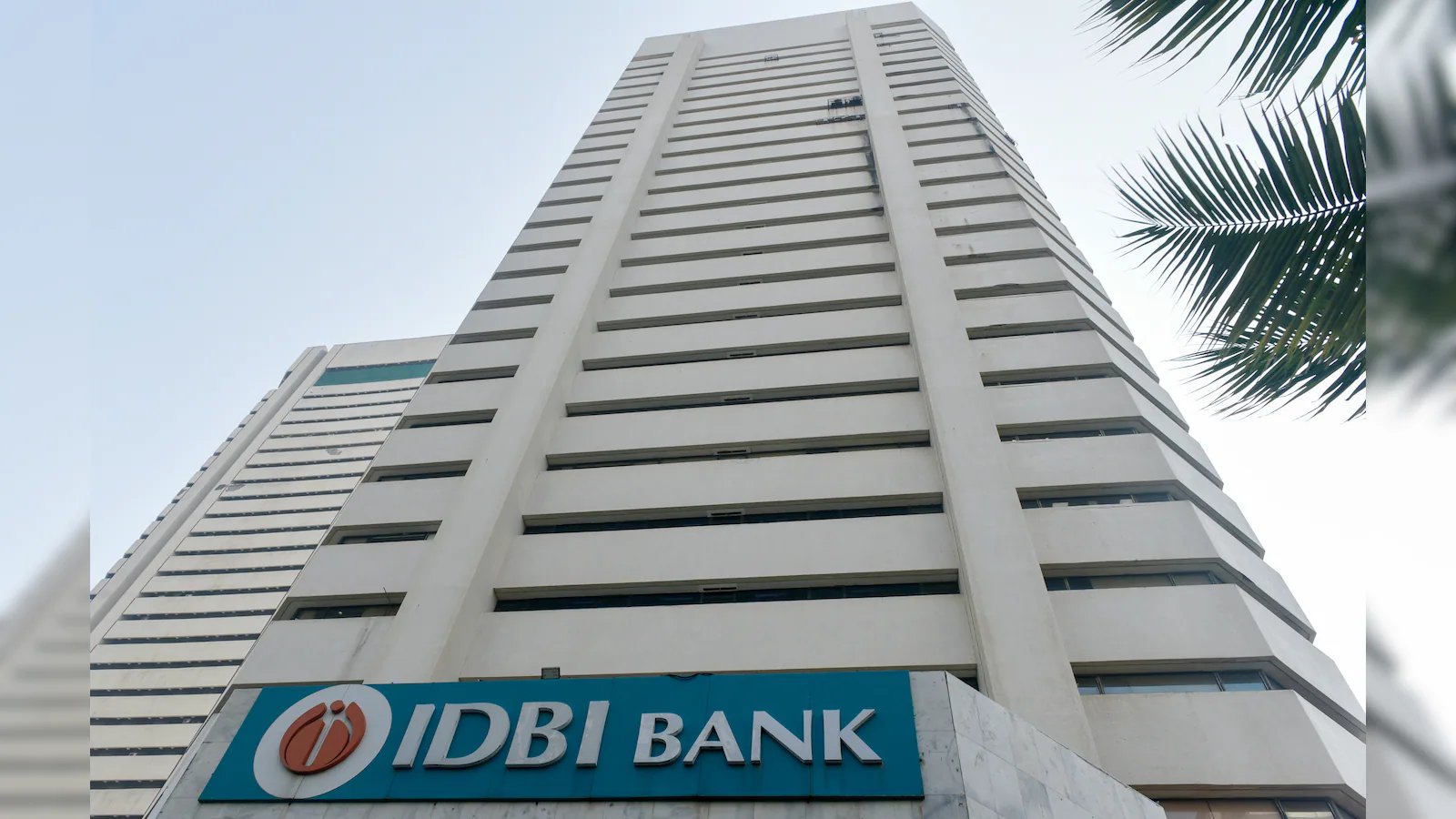
The $5.6 billion sale of IDBI Bank marks a pivotal moment for the Indian government, providing a crucial fiscal buffer as Prime Minister Narendra Modi’s administration navigates the compounding pressures of global oil volatility and a weakening rupee. While the transaction finally pushes asset-sale proceeds past the government’s annual target for the first time in seven years, the relief arrives against a backdrop of complex economic challenges that underscore the necessity for broader structural reforms and digital integration.
## Balancing Fiscal Stability Amid Global Headwinds
India’s reliance on imported crude—covering approximately 90% of its requirements—has left the economy exposed to the surge in international oil prices, which have frequently hovered above the $100 per barrel mark. To protect households from the full brunt of these costs, the government has dipped into public coffers, resulting in a significant narrowing of its fiscal margins. With excise duty collections falling 23% in the first five months of the fiscal year, economists emphasize that while the IDBI sale is a tactical win, it serves as a temporary stopgap.
The challenge now is balancing these one-off windfalls with the long-term goal of sustaining public capital expenditure. Experts argue that if energy costs remain elevated, the government may be forced to recalibrate its spending priorities, shifting focus toward more aggressive asset monetization and strategic divestments to keep the 4.3% deficit target within reach.
## The Role of Data and Digital Efficiency
While the government manages macroeconomic volatility, the broader Indian economy is increasingly leaning on digital transformation to offset inflationary pressures. The tech sector continues to be a primary engine for growth, with a growing emphasis on upskilling. As traditional industries face labor market fluctuations, the demand for data analytics and artificial intelligence (AI) competencies has skyrocketed. Programs like “Job Bootcamps” are witnessing high participation, as professionals pivot toward high-value technical roles to navigate the current climate of layoffs and stagnant wages.
For the government, these digital trends offer a pathway to modernization. By streamlining tax collection through automated, data-driven platforms, the administration has successfully increased gross direct tax revenue by 15.2% year-on-year. This surge in tax efficiency acts as a secondary buffer, complementing the proceeds from the IDBI transaction and demonstrating how digital tools are becoming essential to national financial stability.
## Market Volatility and the Future of Privatization
The IDBI transaction is not merely a financial deal; it is a signal of the government’s renewed commitment to its long-lagging privatization program. Historically, New Delhi has struggled to hit its budgeted targets for stake sales, leading to uncertainty among international investors. By successfully executing this massive deal, the state is attempting to restore market confidence at a time when the Indian rupee is struggling against regional peers.
The Reserve Bank of India (RBI) has already initiated measures to defend the currency, marking the most significant intervention since 2013. However, policy makers remain cautious, suggesting that further interventions—supported by AI-driven market monitoring and real-time capital flow analysis—may be necessary. As India navigates the intersection of global geopolitical crises and local fiscal needs, the ability to pivot between traditional divestment strategies and advanced digital economic management will be the ultimate test for the nation’s resilience.
Ultimately, the IDBI Bank sale provides the breathing room necessary for the government to maneuver through the coming quarters. Yet, the long-term stability of the economy will depend on whether this windfall is utilized to catalyze sustainable, technology-backed growth rather than merely acting as a temporary shield against the inevitable volatility of the global energy market.
Disclaimer: This content is auto-generated for informational purposes only.
Source: Read Original News