







Strategic Alignment: The India-US Trade Framework
The recent confirmation that the first phase of the India-US trade deal has entered the legal drafting stage marks a significant milestone in the evolving economic relationship between the two nations. Commerce and Industry Minister Piyush Goyal’s announcement provides clarity on the trajectory of bilateral ties, emphasizing that operationalization is contingent upon India securing a definitive competitive advantage over peer economies. This approach reflects a calculated shift in Indian trade policy, where the focus has transitioned from mere volume-based trade agreements to high-value, strategic partnerships that prioritize domestic industrial growth and export competitiveness.
The India-US relationship has traditionally been characterized by complex negotiations involving tariff rationalization and non-tariff barrier removal. By finalizing the first tranche, both nations have cleared primary hurdles, moving toward a framework that seeks to address long-standing tensions regarding market access. For India, this agreement is not merely about lowering duties; it is about integrating more deeply into the global supply chain. The government’s insistence on a competitive advantage highlights a proactive stance aimed at ensuring that Indian exporters can hold their own against global rivals in sectors ranging from pharmaceuticals and textiles to specialized manufacturing and digital services.
The European Union Trade Pact: A Complementary Push
While the US trade deal dominates the headlines, the parallel progress regarding the India-EU Free Trade Agreement (FTA) adds a layer of complexity and promise to India’s international trade strategy. With expectations pointing toward a signing in December and implementation by early 2025, India is positioning itself as a vital pivot point in the global trade architecture. The ability to manage high-stakes negotiations with both the United States and the European Union simultaneously speaks to the maturity of India’s diplomatic and economic apparatus.
The EU pact is particularly significant for its potential to deepen cooperation in green technology, sustainable development, and digital services. If the timelines held by the ministry prove accurate, the convergence of the US and EU agreements within a relatively short window will provide Indian industries with a diversified market reach. This diversification is essential for insulating the domestic economy against regional downturns and creating a robust buffer for export-led growth. Analysts observe that these agreements serve as a validation of the “Make in India” initiative, as foreign markets increasingly recognize the quality and scale of domestic output.
Navigating Global Geopolitical Constraints
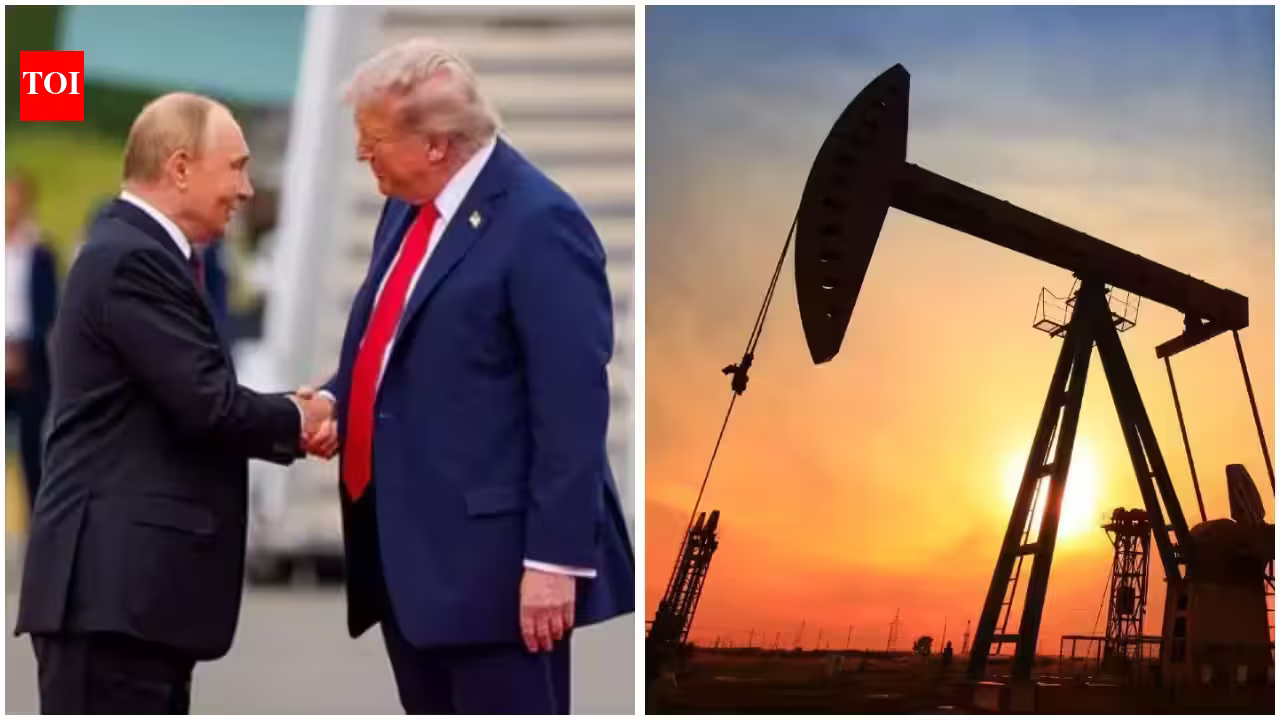
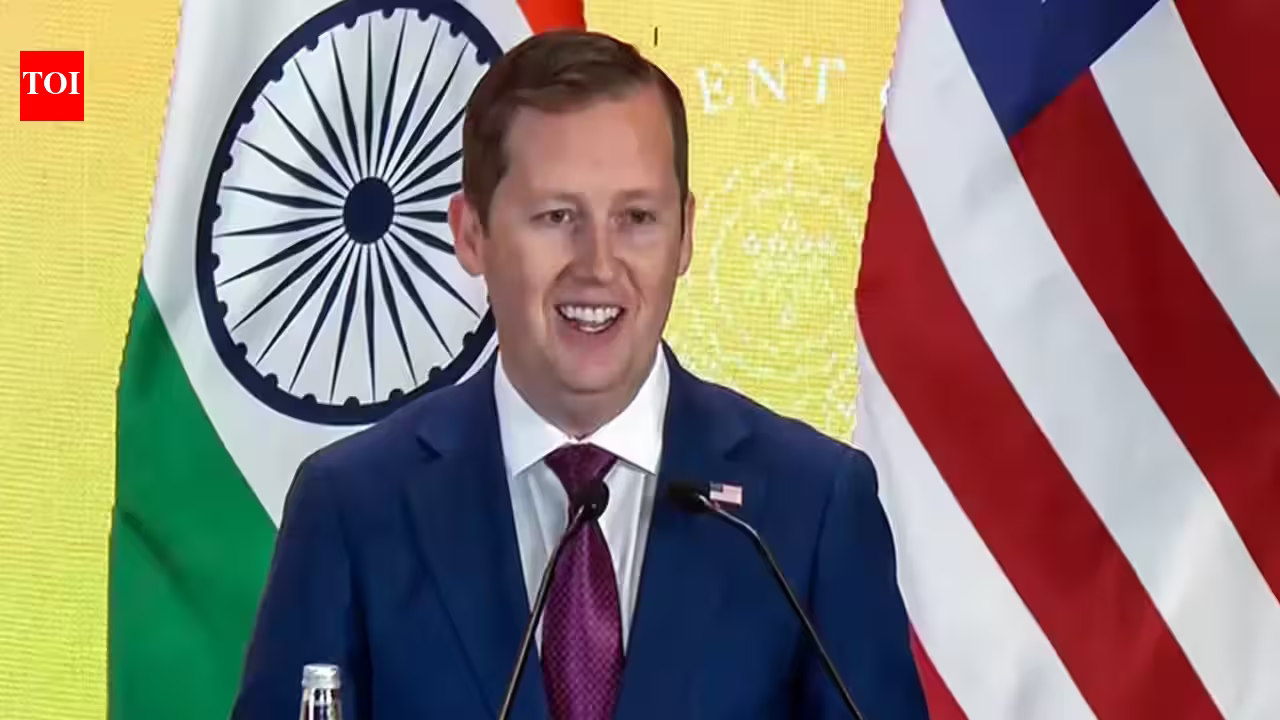
The promise of strengthened trade ties is not without its challenges, particularly regarding geopolitical alignments. The recent commentary from US Ambassador Sergio Gor regarding the potential for sanctions related to the purchase of Russian energy highlights the delicate balancing act India must perform. The legislative developments in the US Senate—focused on curtailing the circumvention of sanctions—present a unique policy hurdle. While the Ambassador emphasized that the legislation is not specifically targeted at India, the reality remains that India’s energy consumption patterns currently intersect with these regulatory “buckets.”
This situation necessitates a sophisticated approach to foreign policy. India’s stance—prioritizing energy security while maintaining diplomatic neutrality—has been a cornerstone of its recent external engagement. The upcoming determination by the US administration will be closely watched by Indian policymakers and industry leaders alike. For businesses, this uncertainty underscores the importance of supply chain resilience. Companies that have diversified their energy sourcing and maintained a flexible operational model are better positioned to navigate the potential volatility that accompanies shifting international sanctions regimes.
Market Access and the Competitive Landscape
At the core of the ongoing negotiations is the pursuit of market access that allows Indian goods to compete on level terms with exports from nations like Vietnam, Mexico, or Bangladesh. The Indian government’s stated intent to ensure a competitive advantage is a direct response to concerns that historical tariff structures have sometimes disadvantaged Indian manufacturers in the US market. By addressing these structural imbalances, the proposed trade deal aims to lower the cost of entry for Indian goods, thereby enhancing profitability for exporters and attracting higher levels of Foreign Direct Investment (FDI).
The US market represents the largest destination for Indian services and a critical consumer for high-end manufactured goods. Enhancing market access will likely catalyze growth in sectors such as IT-enabled services, automotive components, and specialty chemicals. Furthermore, the move toward finalizing these trade agreements signals a shift in the domestic business climate, where the removal of non-tariff barriers is expected to streamline compliance and reduce the “cost of doing business.” For the Indian corporate sector, this represents an opportunity to scale operations and invest in technology, knowing that the regulatory landscape is being actively calibrated to support their export objectives.
Future Outlook: Sustaining Economic Momentum
Looking ahead, the success of these trade pacts will be measured by their ability to translate policy language into tangible growth figures. The bureaucratic efficiency shown in moving to the legal drafting phase is an encouraging indicator that both governments are committed to the outcomes. However, the true test will be the operationalization phase, where domestic industries will need to prove their capacity to meet international standards consistently.
For the Indian government, the primary challenge remains the harmonization of domestic standards with international expectations while protecting vulnerable local sectors. The emphasis on “competitive advantage” suggests that the government is aware of the need to protect the domestic ecosystem while simultaneously pushing it to modernize. As India maneuvers through these global trade dynamics, the integration of technology, the diversification of energy and raw material sources, and the deepening of bilateral relations with the West will serve as the primary pillars of its economic evolution. The period between now and the first quarter of next year will be decisive, as these drafted agreements transition from negotiation papers into actionable trade policies that will dictate the flow of goods and services for years to come.
Disclaimer: This content is auto-generated for informational purposes only.
Source: Read Original News