








The Geopolitics of the Global Diesel Market
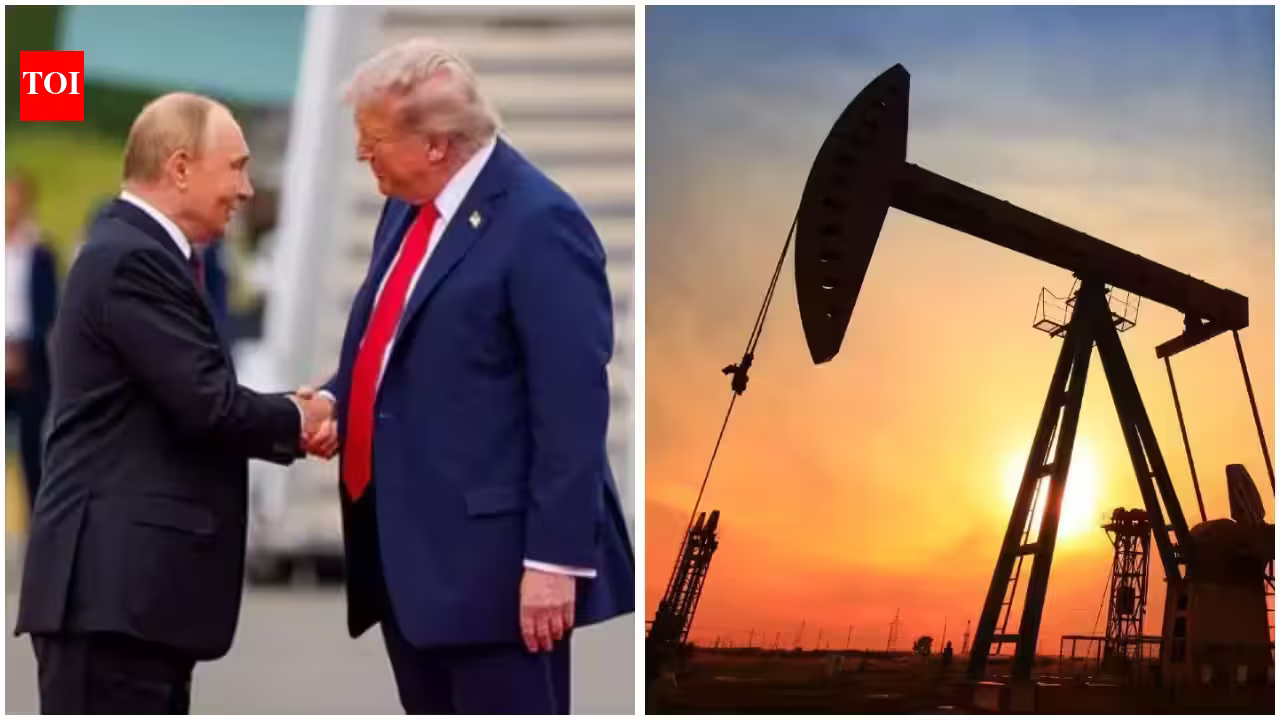
The recent resumption of Russian diesel exports, facilitated by a high-profile agreement involving US President Donald Trump, highlights the fragile interconnectedness of global energy supplies. As Russia begins to lift its self-imposed ban on diesel exports, the move serves as a temporary relief valve for global fuel prices. However, the limited scale of these shipments suggests that the impact on price volatility will remain modest. For global energy markets, this development represents a pivot where political pragmatism attempts to supersede military conflict, at least regarding the flow of critical commodities.
Russia’s decision to resume exports from ports like Primorsk marks a significant shift in its internal energy policy. Following a period where Moscow restricted outflows to protect its domestic market, the new volumes—estimated at several hundred thousand metric tonnes—are destined for international markets. While the Kremlin acknowledges that this supply will assist in stabilizing global prices, it is equally clear that the volumes are insufficient to satisfy total global demand or reverse long-term supply constraints. The move is largely interpreted as a strategic gesture, aimed at moderating fuel inflation in the United States ahead of critical election cycles, rather than a structural solution to the global energy deficit.
Impact on Global Refining and Price Stability
From a market mechanics perspective, the return of Russian diesel provides a marginal increase in supply liquidity. Diesel remains the lifeblood of industrial transport, agriculture, and shipping, making it highly sensitive to supply chain disruptions. When major exporters restrict shipments, the resulting price shocks cascade through the entire value chain, increasing costs for manufacturers and consumers alike.
The primary limitation of the current arrangement is the sheer scale of global consumption. For instance, the US transport sector alone consumes nearly 3 million barrels of diesel daily. When contrasted with the announced Russian supply, which amounts to less than four days of US transport demand, it becomes evident that this influx will not lead to a systemic price correction. Instead, the market is likely to see a localized easing of supply premiums. Analysts observe that while such geopolitical interventions can create short-term “calm” in futures markets, the structural reliance on non-Russian supply chains remains a permanent fixture of Western energy strategy.
The Indian Perspective on Energy Markets
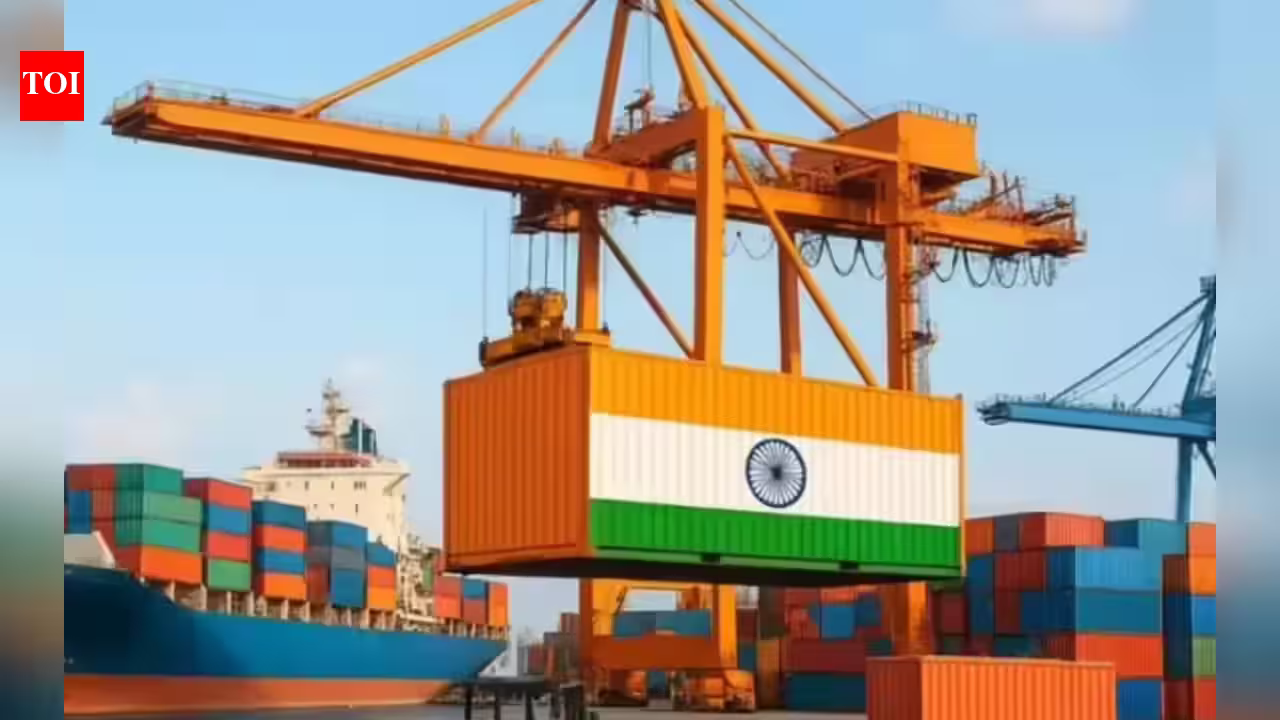
For India, a country heavily reliant on crude oil imports and sensitive to the price of refined petroleum products, shifts in the global diesel market are of paramount importance. India has positioned itself as a critical player in the global refining landscape, often processing Russian crude into petroleum products for both domestic consumption and export to international markets.
The resumption of direct Russian diesel exports to global destinations could impact Indian refiners in two ways. First, if Russian diesel successfully saturates the global market and lowers benchmarks, the price of landing crude oil may adjust, potentially easing the fiscal burden on India’s import bill. Second, increased availability of Russian refined products may intensify competition for Indian exporters who have stepped in to fill supply gaps in the European market over the last two years. As global supply chains adjust, Indian energy firms will need to navigate a more crowded market, where the cost-efficiency of processing and the reliability of logistics determine profit margins.
Geopolitical Friction and Energy Security
The agreement has met with significant pushback, particularly from Kyiv and several European capitals. Critics argue that facilitating Russian exports provides the Kremlin with necessary capital to sustain military activities, effectively undermining sanctions intended to pressure Moscow. This tension underscores the inherent dilemma of modern energy security: the choice between maintaining price stability for consumers and adhering to strict geopolitical alignment.
Furthermore, the “energy ceasefire” concept—whereby both sides purportedly agree to avoid targeting energy infrastructure—remains tenuous. Reports of drone strikes on Russian refineries and reciprocal attacks on Ukrainian energy facilities illustrate that the agreement is failing to hold on the ground. When supply security is tethered to a fragile military ceasefire, the risk of sudden, sharp price spikes remains constant. For global corporations and governments, this translates to a persistent “risk premium” on energy commodities, as market participants anticipate that any escalation in the conflict could immediately cut off supply lines again.
Logistics and the Future of Energy Infrastructure
Beyond the diplomatic headlines, the logistics of these diesel shipments reflect a highly adaptive global trade network. Since the onset of sanctions, Russia has had to reorient its logistical focus, moving away from traditional European partners toward new markets in Africa, Asia, and the Americas. The use of the Baltic port of Primorsk for these shipments suggests that Moscow is successfully utilizing its existing infrastructure to maintain market access.
However, the long-term feasibility of relying on such supply routes is questionable. Insurance costs, tanker availability, and the complexity of managing trade payments under sanctions regimes continue to complicate these transactions. For global traders, the focus is shifting toward diversifying supply origins and investing in cleaner alternatives to reduce the vulnerability caused by sudden export bans or geopolitical leverage.
Conclusion: Navigating a Fragmented Market
The resumption of Russian diesel exports, while a notable event, functions more as a diplomatic lever than a transformative economic event. For global markets, the outlook remains cautious. The interplay between political pressure in the West and the resource-based strategy of the Kremlin continues to influence fuel prices in a manner that defies traditional market supply-demand curves.
For India, the current environment necessitates a strategy focused on refining efficiency and strategic stockpiling. As global energy dynamics move toward increased fragmentation, the ability to secure stable supplies while managing the volatility of international prices will remain the hallmark of successful energy policy. Investors and policymakers should not expect a return to pre-conflict stability, but rather prepare for a future defined by shifting alliances and the continuous, complex management of energy risk. The resilience of the global economy will ultimately depend on how well nations can decouple their essential industrial needs from the volatile maneuvers of regional conflicts.
Disclaimer: This content is auto-generated for informational purposes only.
Source: Read Original News