








The Art of Preserving Heritage Through Ritual
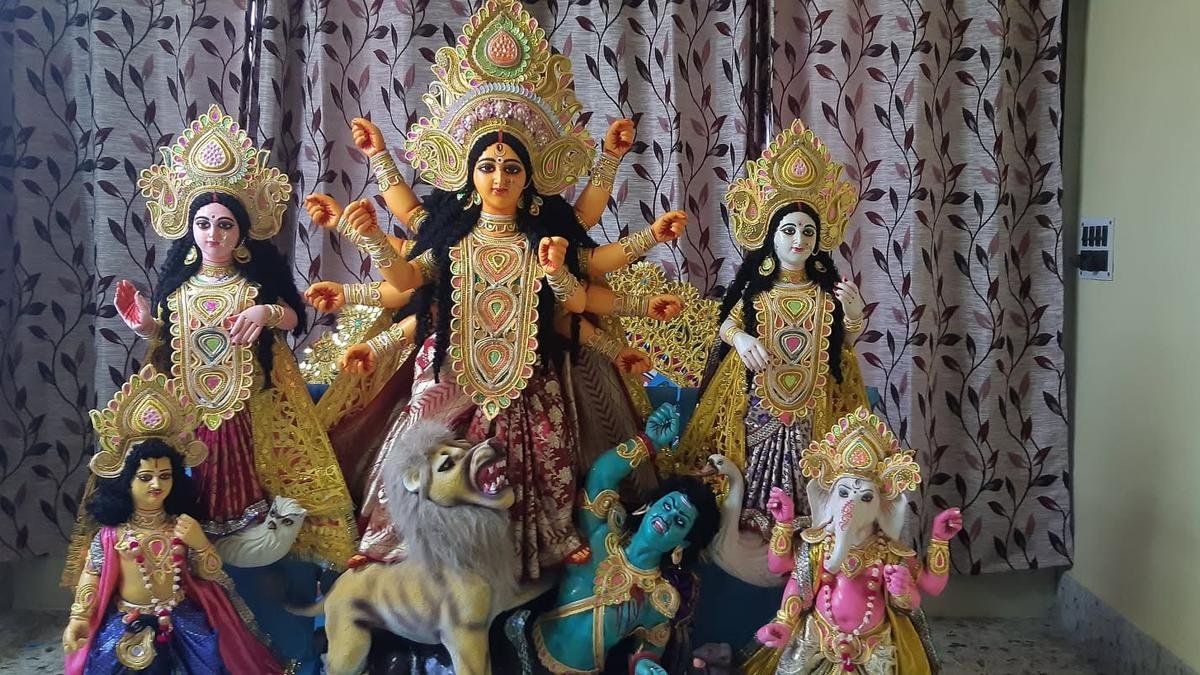
In a fast-paced world where trends shift with the seasons, there is something deeply grounding about rituals that have remained unchanged for centuries. The Bandyopadhyay family puja, which has been observed for 237 years, serves as a beautiful reminder of how lifestyle choices—what we wear, what we eat, and how we celebrate—act as vessels for our personal history. Their annual tradition is not just a religious event; it is a meticulously curated exhibition of heritage that has survived migration, famine, and the passage of time.
Looking at the way this family prepares for their festivities, we find practical lessons in how to honor our roots. Whether you are living in a ancestral home or have moved to a new city, there is power in maintaining specific family customs. By keeping certain designs, recipes, and practices alive, we create a sense of continuity that anchors us amidst life’s inevitable changes.
Signature Style and Ancestral Adornments
Fashion is often dismissed as purely ornamental, but in the context of the Bandyopadhyay puja, it is a form of storytelling. The goddess is adorned in jewelry featuring old Dhakai designs—a stylistic choice that connects the present-day worshippers to their ancestral village of Bajrajogini. These pieces, crafted long before borders were drawn, are brought out every autumn to dress the idol.
For those of us looking to add more meaning to our own personal style, this practice highlights the value of heirloom items. You do not need an ancient crown to participate in this concept. Consider how you incorporate meaningful accessories into your daily life. Perhaps it is a watch passed down from a grandparent or a specific fabric style that represents your heritage. When we choose to wear items with a history, we carry those stories with us, ensuring that our personal presentation reflects who we are and where we came from.
Eating with Memory and Intent
The kitchen is often the heartbeat of any home, and the Bandyopadhyay family demonstrates this by curating their food offerings based on the regional availability of their ancestral homeland. While many contemporary households lean toward modern grocery store convenience, this family intentionally sources specific vegetables—like ash gourd and green banana—to mirror the traditional diet of the past.
This is a wonderful tip for anyone looking to foster a deeper connection to their background. You can start by researching the staple ingredients that were common in your family’s kitchen two or three generations ago. Trying to recreate a traditional recipe using authentic, seasonal produce can turn an ordinary meal into a mindful experience. It is not just about the nutrition; it is about keeping a culinary legacy vibrant. By prioritizing these specific ingredients, you turn the dinner table into a space where the past is celebrated and shared with the next generation.
Redefining Traditions in Modern Times
One of the most intriguing aspects of this long-standing puja is its flexibility regarding vegetarianism. While there is a common societal assumption that specific religious festivals must be strictly vegetarian, the Bandyopadhyay family continues their tradition of offering five varieties of fish to the goddess on Navami. This serves as a vital lesson: your lifestyle, whether it involves diet or daily habits, should reflect your own lived reality rather than external pressures or modern generalizations.
Your traditions are yours to define. If your family history involves specific dietary practices or ways of celebrating that differ from the mainstream, there is no need to abandon them in favor of uniformity. Embracing the uniqueness of your own cultural practices is what keeps the fabric of society rich and diverse. It encourages us to be authentic in our lifestyle, whether we are choosing what to serve for a holiday meal or how we decorate our living spaces.
The Resilience of Collective Memory
Perhaps the most practical takeaway from this 237-year-old tradition is its resilience. The puja has persisted through global challenges, including pandemics and historical upheaval. It reminds us that rituals provide a sense of stability when the world feels unpredictable. By gathering family members, performing age-old routines, and keeping specific memories alive through tangible objects, we build our own strength.
You can apply this to your own life by identifying the “anchors” that keep you steady. Maybe it is a Sunday morning routine, a specific way of decorating your home during the festive season, or the simple act of preparing a recipe that has been in the family for decades. These small, deliberate acts of continuity help us navigate the stresses of modern living. In the end, it is these repeating patterns—the lighting of a lamp, the cooking of a specific dish, the wearing of a cherished piece of jewelry—that weave together the story of our lives, allowing us to carry our past into the future with grace.
Disclaimer: This content is auto-generated for informational purposes only.
Source: Read Original News