








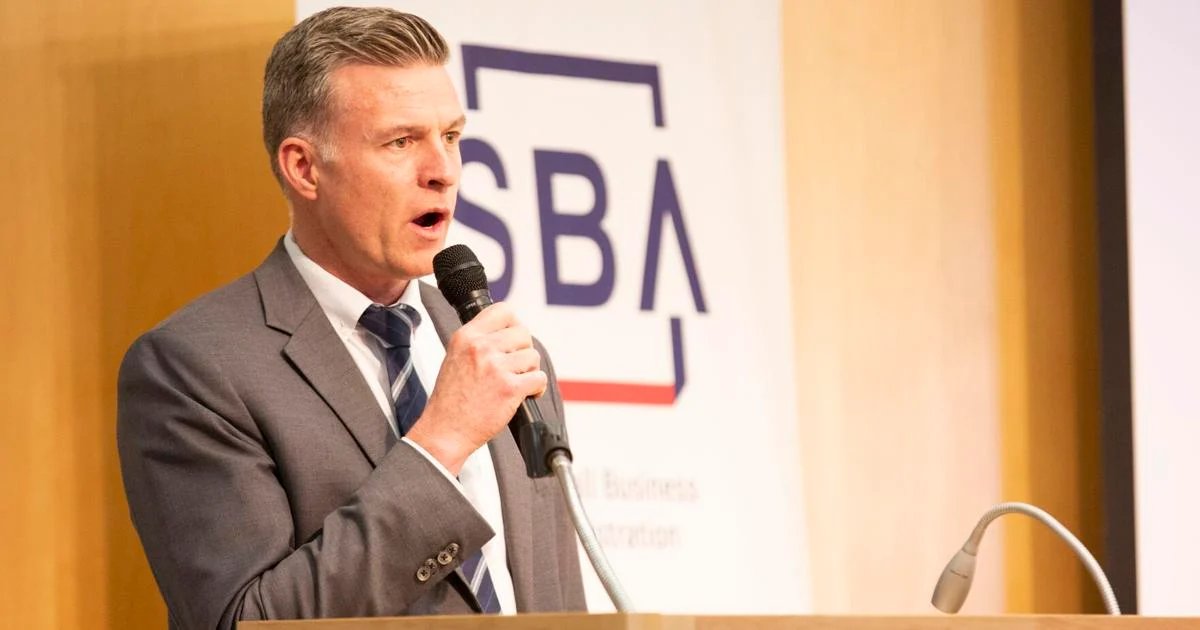
CHEYENNE — The Wyoming Business Council (WBC) is heading into a period of significant leadership transition following the announcement that CEO Josh Dorrell is stepping down. The decision, accepted by the Board of Directors on Wednesday, marks the end of a seven-year tenure during which Dorrell navigated the agency through a volatile political landscape and a rapidly shifting economic environment.
## A Legacy of Economic Digitization and Resilience
Dorrell, who assumed the helm in 2020, took on the role during the height of the global pandemic. His leadership was defined by a push to modernize Wyoming’s economic infrastructure, specifically regarding digital transformation. Under his guidance, the council prioritized expanding broadband access across the state’s rugged terrain—a critical move to bridge the digital divide for rural businesses.
His tenure also saw the launch of forward-thinking programs such as “Assessment to Action” and “Wyoming Venture Capital.” These initiatives were designed to attract investment and modernize the state’s business pipeline, reflecting a broader shift in the regional economy toward technology integration. The WBC’s efforts mirrored a national trend in state-level economic development agencies, which are increasingly leveraging data-driven analytics and artificial intelligence to identify high-growth sectors and allocate limited resources more effectively.
## Political Headwinds and Budget Constraints
The resignation comes just months after the agency faced a period of intense scrutiny from the Wyoming Legislature. In January, the Joint Appropriations Committee proposed two bills aimed at dismantling the WBC entirely. While the legislature ultimately voted to keep the council alive, the effort resulted in severe budget cuts, stripping the agency down to its core operational funds.
This political turbulence underscores the challenges state-run economic entities face in the modern era. Across the U.S., economic development councils are under pressure to prove their ROI through transparency and digital reporting tools. The WBC’s reduced funding environment has forced the agency to rely more heavily on lean, automated operations, a trend that will likely be a focal point as the board begins its search for a successor.
## Looking Toward 2027 and Beyond
The board has announced an immediate search for an interim CEO to ensure that operations remain uninterrupted. According to the release, the agency plans to conduct a broader, long-term search for a permanent successor, with a target date of summer 2027 to have the new leadership fully integrated.
Industry observers, including Dale Steenbergen of the Greater Cheyenne Chamber of Commerce, believe the transition offers a chance to pivot. While acknowledging Dorrell’s dedication, Steenbergen emphasized the need for a leader who can navigate the “known realities” of a state currently experiencing a sharp disparity between booming growth zones and areas facing financial challenges.
“I hope the board goes after someone who will look for a better future for the state,” Steenbergen noted, highlighting the necessity for a strategic approach that balances legacy industries with the needs of the modern, tech-enabled workforce.
As the state transitions to a new era of business development, the WBC’s next leader will be tasked with reconciling the agency’s reduced fiscal reality with the high expectations of a digital-first economy. For now, the agency maintains that its core services will continue without interruption, even as the search for a new vision for Wyoming’s economic future begins in earnest.
Despite the lack of specific details regarding the reason for his departure or his future plans, Dorrell leaves behind an agency that has successfully pivoted toward broadband expansion and venture capital, setting a foundation that the next CEO will be expected to defend and grow in an increasingly competitive national landscape.
Disclaimer: This content is auto-generated for informational purposes only.
Source: Read Original News