







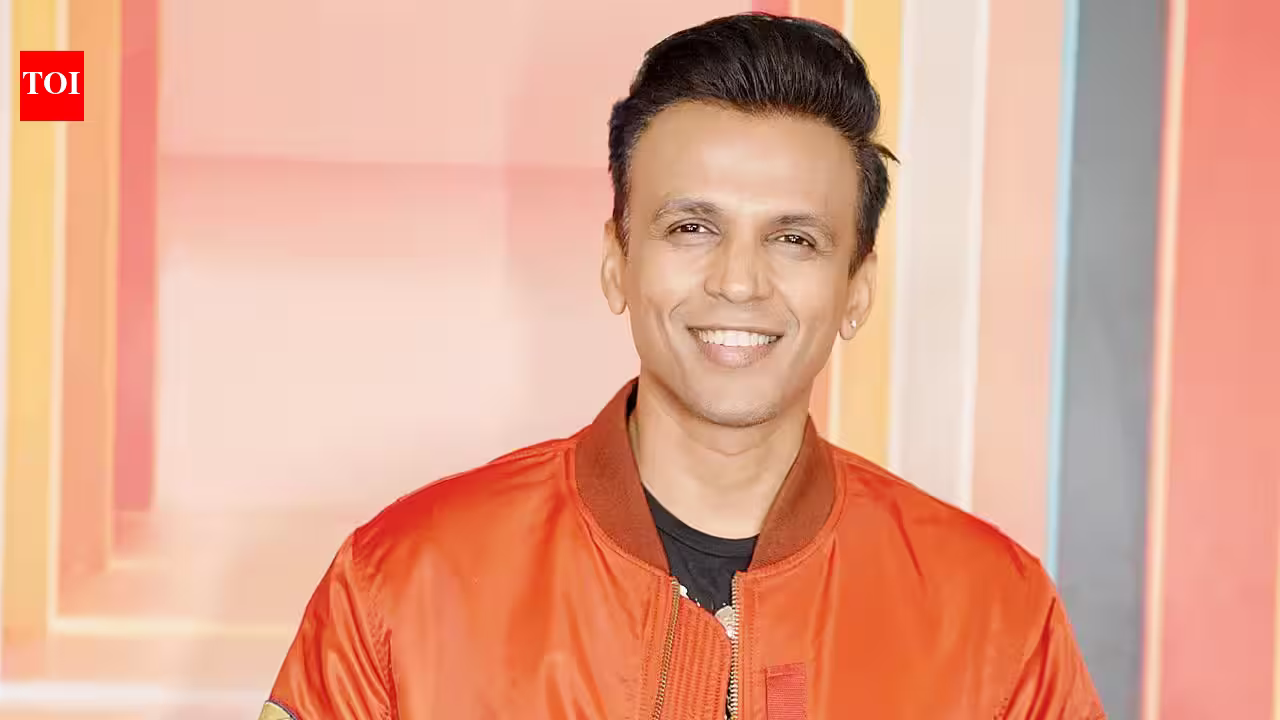
From Pandal Performances to National Stardom: The Unfiltered Abhijeet Sawant
In the glossy, fast-paced world of reality television, we often witness the meteoric rise of stars—those who go from obscurity to magazine covers in the span of a season. Yet, rarely do we hear the quiet, gritty, and deeply human stories that precede the flashing cameras. Abhijeet Sawant, the man who etched his name in history as the first-ever winner of Indian Idol, recently peeled back the layers of his journey, reminding us that behind every national icon is a singer who once measured success by a crumpled fifty-rupee note.
Two decades have passed since the nation collectively held its breath during that inaugural season of Indian Idol, but for Sawant, the memories of his musical apprenticeship are as vivid as his final standing ovation. Before the glitz of professional studios and the pressure of public scrutiny, there were the pandals—humble, makeshift stages in local neighborhoods where a microphone was a luxury and an audience was the ultimate prize.
Happiest Days on Small Stages
In a world where success is often quantified by streaming numbers and social media reach, Sawant’s reflection on his early days offers a refreshing, albeit nostalgic, perspective. He doesn’t talk about his win with the ego of a champion, but with the gratitude of a traveler who remembers the first mile of his journey.
“Jab mujhe chhote-chhote stage par gaane ka mauka milta tha, us din mera sabse happiest day of my life ho jata tha,” he shared, his voice carrying the weight of genuine appreciation. He recounted the visceral reality of those days: performing in small pandals, the humidity, the intimacy of the crowd, and the modest payments that arrived in the form of coins or small bills.
There was no PR team to handle his image then, only the kindness of strangers. “Sometimes I would receive Rs 100, and sometimes someone would happily put Rs 50 into my pocket, saying, ‘Jaa beta, aaj kuch kha lena,'” he recalled. It wasn’t about the money; it was about the recognition of his craft. For a budding artist, being told to go and buy a meal from the proceeds of his own voice was the highest form of validation. That fifty-rupee note wasn’t just pocket money—it was fuel for a dream.
Finding Hope During Difficult Phases
The narrative of “Indian Idol” often paints a picture of instant success, but Sawant is candid about the reality of the music industry—a landscape defined by peaks and valleys. The transition from a local hero to a national celebrity is fraught with challenges, and Sawant has faced his share of lean years.
When asked how he navigates the inevitable lulls in a career that has spanned two decades, he points to a reservoir of emotional capital built years ago. “Life mein ups and downs rahe,” he admits. When the path gets rocky or the industry feels indifferent, he retreats into his past. He anchors himself in the memories of those who offered him encouragement when he was still an unknown quantity.
“Whenever I go through a difficult phase, I think about the people who gave me love during those times and gave me hope by telling me that I could do well,” he explains. That flicker of belief, sparked by a stranger in a neighborhood pandal, remains the lighthouse guiding him through the stormy waters of show business. It is a testament to the idea that the support we receive early on doesn’t just launch us—it sustains us.
The Audience as a Divine Presence
For many artists, the relationship with the audience can become transactional, but Sawant views his connection with his fans through a lens of profound reverence. He doesn’t see them as mere consumers of his music; he elevates them to the status of a higher power.
“Agar bhagwan hame kabhi dikha nahi hai, toh hamari audience hame dikhti hai,” he muses. This philosophy transforms his stage presence. Every performance isn’t just a job; it’s an act of worship. By equating the audience with the divine, he shifts the pressure of performance into an expression of gratitude. It is this mindset that has kept him relevant and hardworking long after the reality show trophy gathered dust. For Sawant, working hard isn’t just about preserving his career; it’s about honoring the people who have remained by his side since his small-pandal days.
A Legacy Built on Humility
Looking back at the trajectory of Indian Idol, it is easy to view Season 1 as a cultural phenomenon that changed Indian television forever. Yet, the true legacy of that season isn’t just the format; it’s the individuals who stepped onto that stage with nothing but raw talent and a desire to be heard.
Abhijeet Sawant’s story is a vital reminder that the “happiest days” of an artist’s life often happen long before they become a household name. They happen in the quiet, formative years when the love of the craft is pure, unadulterated by fame or expectation. As he continues to navigate the complexities of his career, one thing remains clear: he hasn’t forgotten the feeling of that Rs 50 note in his pocket. It serves as a grounding force, a reminder of where he came from, and more importantly, the reason he keeps singing today.
In an era where everyone is chasing the next big hit, Sawant is a humble reminder that the most enduring success is built on the foundation of gratitude—one pandal, one audience, and one song at a time.
Disclaimer: This content is auto-generated for informational purposes only.
Source: Read Original News