







The Shadow Over a Superstar: Gauhati High Court Grants Bail to DSP Sandipon Garg Amid Ongoing Investigation
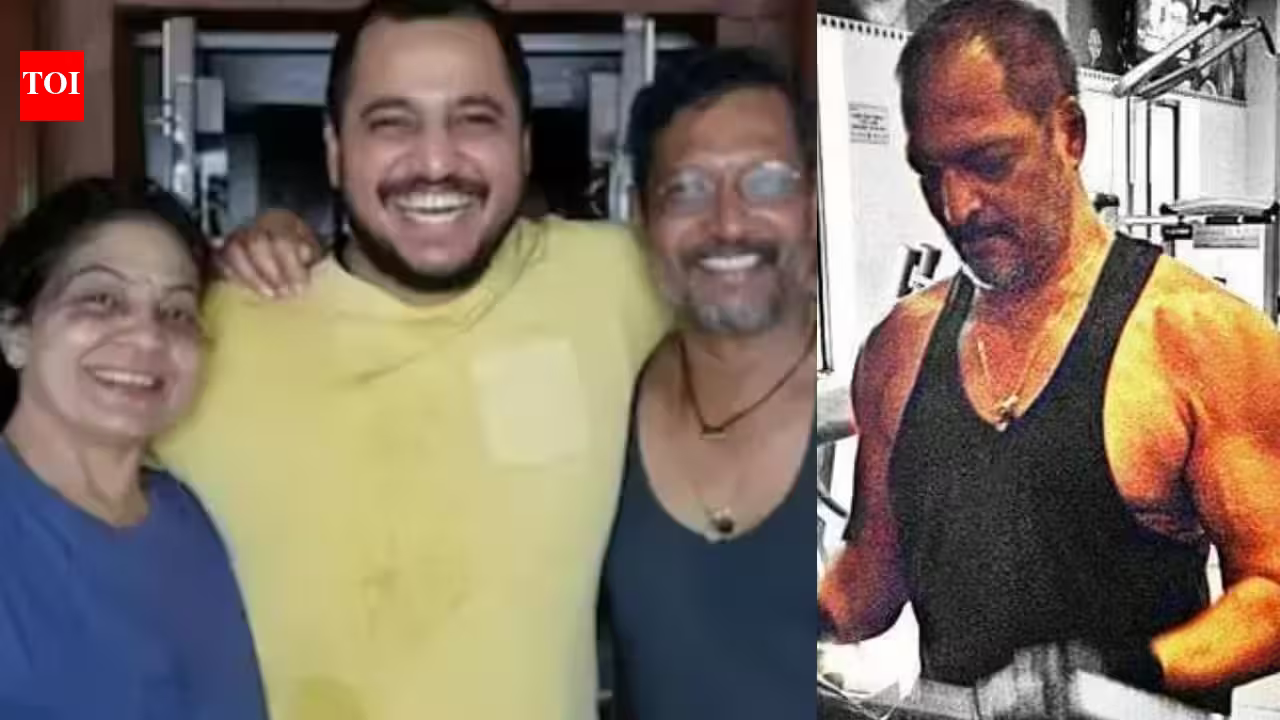
The legal labyrinth surrounding the tragic passing of Assam’s beloved musical icon, Zubeen Garg, has taken another significant turn. On Friday, October 16, the Gauhati High Court delivered a pivotal ruling, granting bail to suspended Assam Police Deputy Superintendent of Police (DSP) Sandipon Garg. The officer, who happens to be a cousin of the late singer, had been held by the Special Investigation Team (SIT) as they pieced together the circumstances that led to the artist’s untimely death last year.
The development, while procedural in the eyes of the law, has sent ripples through the Northeastern cultural landscape, where Zubeen Garg remains a figure of immense reverence. As Justice Rajesh Mazumdar’s single bench handed down the order, the atmosphere outside the courtroom remained charged, with the state’s legal representatives maintaining a cautious stance regarding the lack of a fully articulated judgment.
A Legal Turning Point: The Bail of Sandipon Garg
The release of DSP Sandipon Garg marks a notable shift in the momentum of the high-profile case. Special Public Prosecutor Ziaul Kamar, speaking to the media shortly after the proceedings, offered a brief but telling assessment: “The Gauhati High Court has granted bail to Sandipon Garg, and the court has not read out the full order.”
For those following the case, this lack of a “full order” leaves room for intense speculation. The involvement of a high-ranking police official—particularly one with familial ties to the deceased—has been a focal point of public scrutiny since the SIT initiated its probe. With his release, the narrative now pivots back to what the prosecution deems essential evidence, and whether the defense can dismantle the theories that have kept several individuals in the crosshairs of justice for months.
Precedents and Parallels: The Case of Amritprava Mahanta
Sandipon Garg is not the only individual to find temporary relief in the courts. Only a week prior, on October 9, the Gauhati High Court granted bail to Amritprava Mahanta, a co-singer and associate of Zubeen Garg. Her arrest earlier in 2025 following a grueling interrogation had stunned the music community.
Mahanta’s release on a bond of Rs 50,000 set a legal precedent for the others involved in the investigation. Her journey from custody to conditional freedom highlights the balancing act the judiciary is performing—weighing the gravity of the allegations against the necessity of ensuring a fair and speedy trial for those accused. As the first of the group to secure bail, Mahanta’s case serves as a benchmark for the defense teams navigating the complex web of evidence surrounding the events in Singapore.
The Tragedy in Singapore: A Festival Cut Short
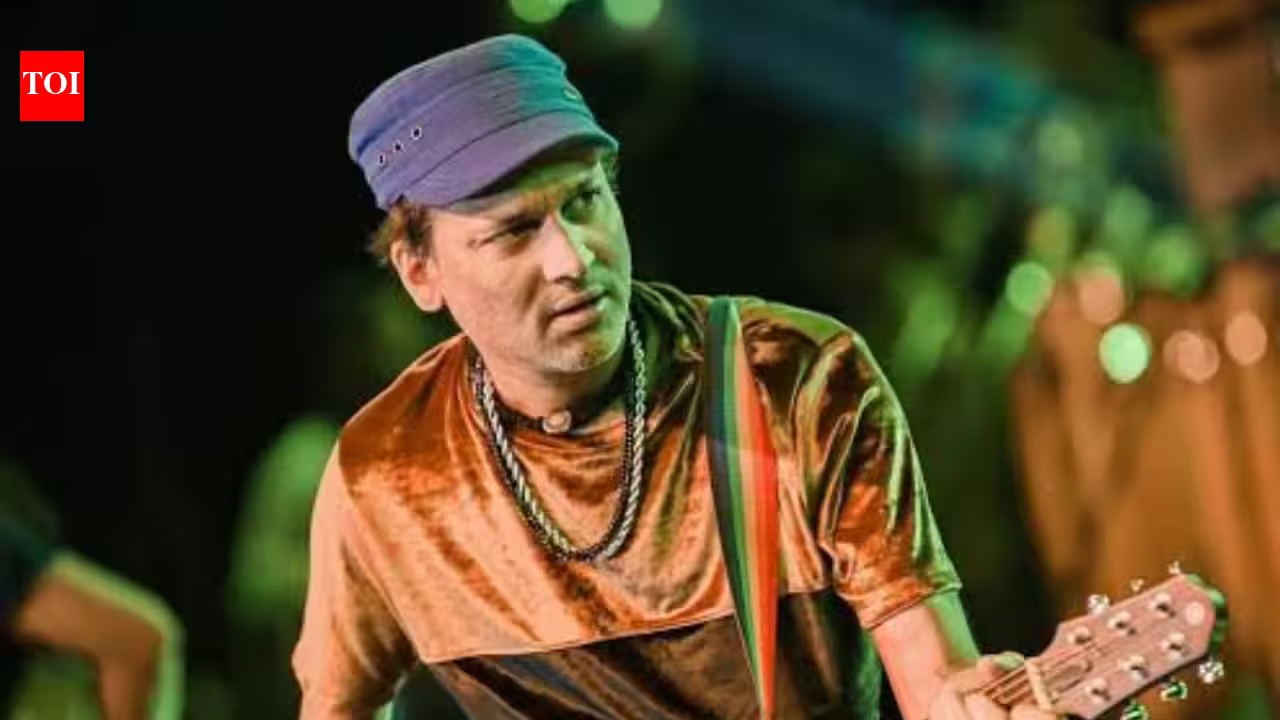
To understand the legal battles, one must look back to the void left by Zubeen Garg’s passing. The star died on September 19, 2025, in a scuba diving accident in Singapore—just hours before he was scheduled to take the stage at the prestigious Northeast India Festival.
The tragedy, which stripped Assam of its most prolific performer, quickly morphed from a heart-wrenching accident into a criminal investigation. The arrest of event organizer Shyamkanu Mahanta, who has helmed the festival since 2013, brought the behind-the-scenes logistics of the tour under a microscope. Was it a freak occurrence, or was there a failure in duty of care? The courts are now tasked with answering that impossible question, separating the sorrow of a grieving nation from the cold requirements of criminal liability.
Supreme Court Intervention and the Quest for Velocity
The sheer weight of the public interest in this case has reached the steps of the Supreme Court. In August, the apex court stepped in to ensure that the process does not stagnate, directing the Assam government to oversee a “diligent and quick” trial.
During the hearings, Justices BV Nagarathna and R. Mahadevan made it clear that the machinery of justice must keep moving. The State informed the bench that the trial is now being conducted on a day-to-day basis, with a series of key witnesses expected to take the stand in the coming weeks. Justice Nagarathna’s oral observation—noting that the court is actively applying pressure to maintain this pace—signals that the highest levels of the judiciary are keeping a watchful eye on proceedings. The goal is clear: to avoid the perpetual delays that often plague cases of this magnitude, providing a definitive resolution for the public and the family of the singer.
The Clash of Narratives: Conspiracy vs. Calamity
At the heart of the legal battle is a stark contrast between two narratives. On one side, the defense—led by senior advocate Siddharth Dave—paints a picture of a tragic but ultimately individual decision. Dave argues that Zubeen Garg was an adult of sound mind who chose to participate in a sea-faring activity, and that Shyamkanu Mahanta was not even present when the incident occurred. The defense has pushed back aggressively against the notion of conspiracy, dismissing claims of negligence or the illicit provision of alcohol as mere attempts to manufacture a crime out of a life-ending accident.
Conversely, the State remains steadfast. Prosecution material, they argue, points toward a deeper, more calculated reality. They allege that the death was far from a simple accident and that a conspiracy was at play—one that involved a failure to protect the star, potentially compounded by choices made by those responsible for his welfare.
As the court processes the testimony and the evidence mounts, the truth of what happened in those final, fatal moments remains obscured by conflicting accounts. For now, the legal system continues its slow, methodical march toward a verdict, while a nation continues to mourn the silence of a voice that was supposed to be singing on a festival stage in Singapore. The trial, and the truth it may finally reveal, is far from over.
Disclaimer: This content is auto-generated for informational purposes only.
Source: Read Original News