








The Strategic Pivot of Tata Trusts: Institutional Stewardship over Philanthropy
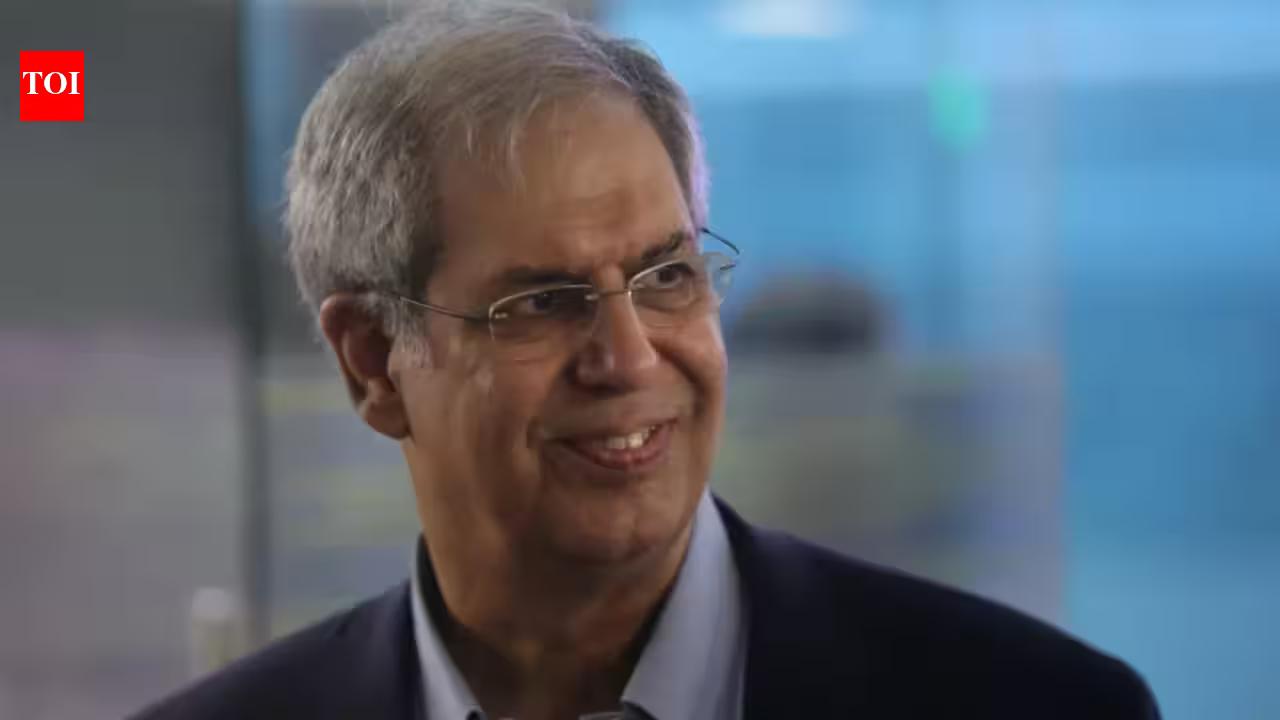
The philanthropic landscape in India is undergoing a significant transformation, marked by a deliberate shift in the operational philosophy of Tata Trusts. Under the leadership of Noel Tata, the organization is pivoting away from a model characterized primarily by grant-making and funding toward a proactive role in institutional building. This transition represents a return to the foundational ethos of the Tata family—the belief that capital should not merely be distributed to mitigate social issues but should be used to construct robust, enduring public assets that solve systemic challenges.
For decades, Tata Trusts has functioned as the primary vehicle for the philanthropic arm of the Tata group, drawing its financial strength from dividends paid by Tata Sons. However, the recent communication from the leadership underscores a realization that in a rapidly developing economy like India, financial backing alone is often insufficient to address deep-seated infrastructural gaps. By assuming the role of an architect rather than just a financier, the Trusts aim to exert greater control over the quality, reach, and sustainability of the initiatives they support. This strategy reflects a sophisticated approach to philanthropy, where the focus shifts toward long-term impact rather than short-term disbursement metrics.
The Economic Rationale Behind Institutional Building
The decision to emphasize the creation of new institutions is grounded in an analytical assessment of India’s current developmental trajectory. Noel Tata’s emphasis on education as a core pillar highlights a critical issue in the Indian demographic landscape: the loss of human capital. When high-potential individuals are forced to seek education overseas due to a lack of elite domestic infrastructure, the country experiences a structural drain. By dedicating resources to build world-class educational institutions, Tata Trusts is effectively investing in the long-term competitiveness of the Indian workforce.
From a business perspective, this approach mitigates the risks associated with third-party institutional performance. When an organization relies solely on funding existing entities, it becomes subject to the governance and strategic limitations of those entities. Conversely, when the Trusts take the lead in building an institution, they establish the governance frameworks, operational standards, and long-term vision from the outset. This ensures that the capital disbursed—amounting to over Rs 1,500 crore in the last fiscal year—is directed toward ventures with higher accountability and measurable, tangible outcomes. This “founder-builder” mentality creates an organizational structure that is more resilient to shifts in the economic climate.
Aligning Philanthropy with the Founders’ Legacy
The rhetoric surrounding this shift is explicitly linked to the vision of the founders, who viewed industrial enterprise as a tool for national development rather than an end in itself. In the Indian business context, where Corporate Social Responsibility (CSR) has transitioned from a voluntary ethical gesture to a mandatory regulatory requirement, the Tata Trusts’ approach offers a model for effective capital deployment. While many corporations fulfill their obligations through passive grants, the Tata model suggests that the highest form of social contribution is the creation of infrastructure that outlives the donors.
Historical precedents, such as the Indian Institute of Science (IISc) in Bengaluru and the Tata Memorial Hospital in Mumbai, serve as proof of this philosophy. These institutions were not built as one-off charity projects but as permanent solutions to national needs in science and medicine. By returning to this model, the current leadership is signaling a departure from the “grant-only” culture that has become prevalent in many private foundations today. It serves as a reminder to the Indian corporate sector that true legacy is defined by the endurance of the institutions one leaves behind, not merely by the scale of the annual grant disbursements.
Healthcare Expansion as a Pillar of Social Infrastructure
One of the most ambitious aspects of this strategy is the plan to develop a network of 40 to 50 not-for-profit general hospitals. This initiative addresses a fundamental gap in India’s healthcare landscape: the lack of accessible, high-quality, and affordable medical care in non-metropolitan areas. By building a network of this scale, Tata Trusts is moving from a localized charity model to a national-scale service delivery framework.
This move has significant implications for the healthcare market in India. A network of this magnitude requires robust supply chain management, standardized clinical protocols, and a centralized governance model—elements more commonly found in large-scale healthcare conglomerates than in traditional charitable foundations. By treating this expansion as an institutional build, the Trusts are essentially introducing professional management standards to the not-for-profit health sector. This not only improves patient outcomes but also serves as a benchmark for excellence that private and public sector healthcare providers must compete against, effectively elevating the standard of care across the country.
Navigating Governance and Strategic Complexity
The transition toward institutional building occurs against a backdrop of ongoing discourse regarding the relationship between Tata Trusts and Tata Sons. While the leadership has avoided public commentary on these administrative complexities, the strategic pivot itself serves as a clear indication of the Trusts’ desire to exercise autonomy and define their own long-term mandate. For a body that holds such significant sway over the conglomerate, clarifying its primary objective—whether as a financial beneficiary or an active architect of societal development—is crucial for internal and external stability.
By distancing itself from the purely passive “funding” role, the Trusts are reinforcing their status as a decisive power center. This shift creates a clearer demarcation of duties: Tata Sons focuses on the growth and commercial success of the group’s companies, while the Trusts focus on the ethical and social foundations of that group’s existence. For observers of the Indian market, this development is a critical signal that the Tata brand is doubling down on its identity as a values-driven, nation-building entity. It represents a maturation of the philanthropic model, moving from simple charity to the systemic design of a better future.
Conclusion: The Future of Impact-Led Development
The shift in strategy at Tata Trusts is a development with profound implications for the Indian philanthropic ecosystem. As the nation continues its economic rise, the demand for institutions that can sustain and improve the quality of life is increasing exponentially. The leadership’s decision to prioritize building over mere funding suggests a recognition that money alone cannot solve structural deficiencies; it requires the persistence of governance, the rigor of professional management, and the long-term vision of a founder.
As this strategy unfolds, the primary metric of success for the Trusts will no longer be the total volume of grants dispersed annually, but the efficacy and reach of the institutions they establish. Whether in education or healthcare, the ability of Tata Trusts to convert capital into durable public assets will likely set a new gold standard for institutional philanthropy in India. This trajectory ensures that the Tata legacy is not just one of industrial growth, but one of foundational service, aligning the prosperity of the corporation with the long-term progress of the nation.
Disclaimer: This content is auto-generated for informational purposes only.
Source: Read Original News