







Strategic Balancing: The US Waiver and Global Energy Dynamics
The recent decision by the United States administration to pause key sanctions and tariff provisions under the Lindsey O. Graham Sanctioning Russia and Iran Act marks a significant development in global trade and energy policy. By invoking Section 115 of the Act, President Donald Trump has effectively granted a 60-day reprieve for nations that are major importers of Russian energy, most notably India and China. This development is not merely a bureaucratic delay; it is a calculated acknowledgment of the complexities inherent in the modern global energy supply chain.
The legislation initially sought to impose severe tariffs—up to 100%—on goods originating from the five largest buyers of Russian crude oil and natural gas. Had these measures been implemented immediately, they would have sent shockwaves through global trade, likely triggering retaliatory trade wars and unprecedented inflationary pressure on energy prices. The administration’s decision to study the impact of these tariffs underscores a pragmatic shift toward assessing the consequences of protectionist policies on the broader global economy, including the domestic market of the United States.
India’s Position in the Global Energy Matrix
For India, this 60-day window is a critical period of diplomatic and economic stabilization. As the world’s third-largest consumer of oil, India has maintained a delicate balance in its energy procurement strategy. While New Delhi has actively worked to diversify its energy portfolio by exploring deeper ties with suppliers in the Middle East, Central Asia, and North America, its reliance on Russian energy remains a structural reality.
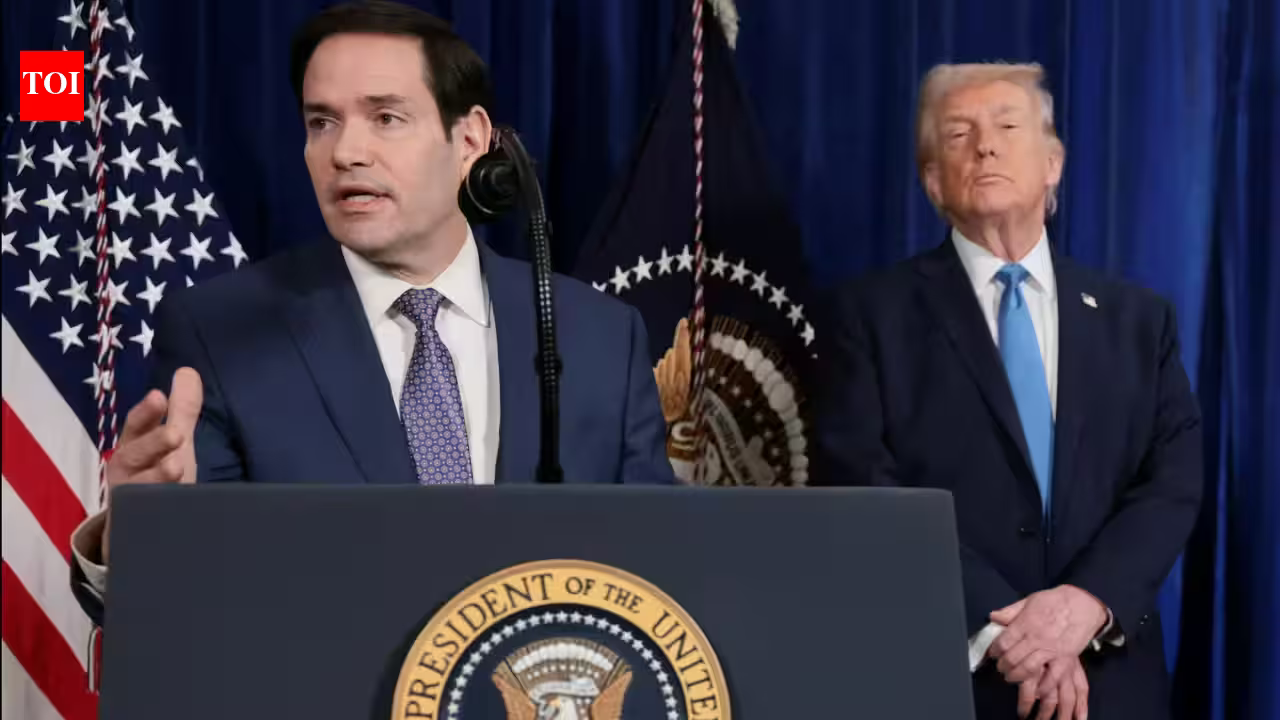
The administration’s recognition of India as an important ally is a fundamental driver behind this waiver. US Secretary of State Marco Rubio highlighted that for major economies, pivoting away from established energy supply lines cannot happen instantaneously without causing internal economic disruption. This acknowledgment serves as a validation of India’s sovereign decision to prioritize its energy security amidst global price volatility. With an upcoming visit by Secretary Rubio to India, including a tour of the Jamnagar refinery—a facility critical to global refining capacity—the dialogue between the two nations is set to deepen, focusing on how to align long-term energy security goals with geopolitical considerations.
Geopolitical Pressures and Market Volatility
The global energy market is currently navigating a period of acute instability, compounded by overlapping regional conflicts. The situation in the Strait of Hormuz, the persistent threat posed by Houthi attacks on maritime infrastructure, and the ongoing war in Ukraine have collectively constrained global energy supplies. The US administration’s decision to pause the implementation of tariffs reflects a growing awareness that the world cannot afford a massive artificial supply shock.
When energy infrastructure is targeted in conflict zones, global commodity prices become hypersensitive. By imposing heavy tariffs on the largest buyers of Russian energy, the United States risked inadvertently exacerbating these existing pressures. The 60-day assessment period allows policymakers to map out the potential downstream effects of these tariffs. If the US were to penalize the world’s largest importers of oil, the resulting contraction in global supply would likely drive prices upward, harming not only emerging economies like India but also the US domestic manufacturing and consumer base.
Understanding the Mechanics of the Graham Act
The legal framework of the Graham Act grants the US President significant executive authority to adjust trade barriers in the name of national interest. The provisions within Sections 112 and 113 provided a mechanism to apply up to 500% duties on Russian goods and 100% on goods from major buyers of Russian energy. These tools are designed as aggressive levers of economic statecraft, meant to isolate Russia’s primary revenue streams.
However, the invocation of the Section 115 waiver indicates that the administration is utilizing these tools with a higher degree of granularity. By certifying that the waiver is in the national interest of the United States, President Trump has signaled that the objective is not to initiate a blanket trade war that undermines strategic partnerships. The waiver essentially creates a cooling-off period, allowing for a technical evaluation of whether the proposed tariffs would achieve the desired geopolitical outcomes or simply lead to a destabilized global trade environment that ultimately works against US interests.
The Diesel Factor and Future Trade Trajectories
An intriguing element of this development is the recent announcement regarding a diesel supply agreement between the US and Russia. This move highlights the pragmatic, often counterintuitive, nature of energy markets where supply needs occasionally transcend binary political stances. As global refining capacities are tested, the ability to ensure the flow of refined products—such as diesel—remains a priority for maintaining logistics, agriculture, and transportation sectors.
For India, the path forward involves a careful navigation of these shifting sands. As the nation continues to expand its refining capacity and infrastructure, it remains an indispensable player in the global energy market. The upcoming period of analysis will be telling; it will determine whether the United States will move toward a more surgical approach to sanctions that targets specific Russian sectors without crippling the economies of friendly nations like India.
Looking Ahead: The 60-Day Outlook
The next two months will be pivotal for global energy diplomacy. The administration’s focus will remain on analyzing the multiplier effects of these tariffs on the US economy, the cost of living, and the stability of its alliances. The decision to delay the tariffs suggests that the United States is moving toward a more integrated view of its trade policy, where domestic economic health and foreign policy objectives are inextricably linked.
For India, this period offers an opportunity to solidify its position as a reliable, strategic partner that is committed to energy security while also continuing its long-term efforts to diversify its suppliers. The resolution of this 60-day window will likely set the tone for US-India trade relations for the coming years. Whether this leads to a permanent exemption or a modified tariff regime remains to be seen, but the current pause is a clear signal that the US is prioritizing economic stability and diplomatic alignment over rigid adherence to punitive trade measures. As geopolitical conditions continue to evolve, the ability to adapt to these shifts will remain the hallmark of successful energy and foreign policy management for all involved nations.
Disclaimer: This content is auto-generated for informational purposes only.
Source: Read Original News