






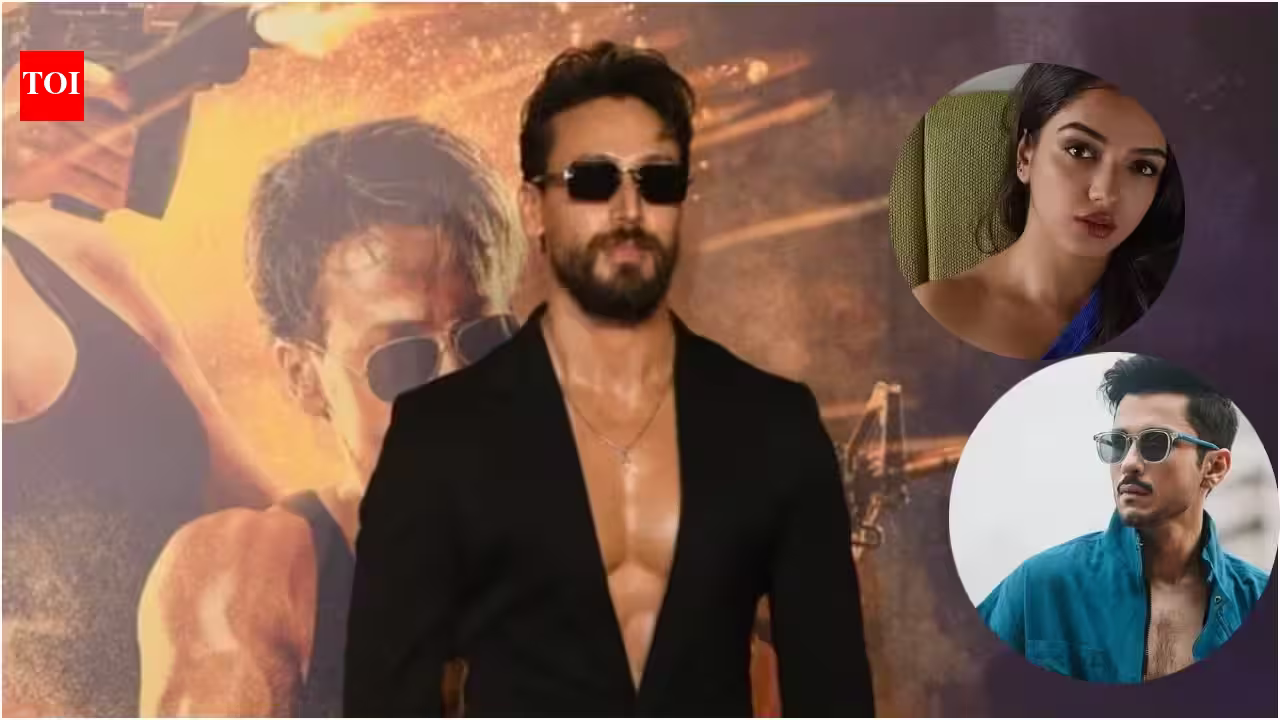
The glittering veneer of Mumbai’s entertainment industry was shattered this past weekend, casting a long, dark shadow over the bustling streets of India’s film capital. The news of a shooting incident involving actor Tiger Shroff has sent shockwaves through the fraternity, sparking an urgent, widespread conversation about security, the unpredictable nature of celebrity life, and the sanctity of public safety in a city that prides itself on being one of the safest in the country.
While reports confirm that the action star escaped the incident without sustaining gunshot injuries, the reality of the situation remains grim. As the dust settles, the industry is grappling with the visceral fear that hits home when a high-profile target becomes the center of a violent spectacle.
## A City Shaken: The Industry’s Collective Gasp
The incident, which reportedly saw three to four rounds fired from within a dense crowd as Shroff exited a ground, has left his peers reeling. For many young actors, the news served as a brutal reminder that the adulation they receive from fans can, in a heartbeat, turn into a volatile, life-threatening situation.
Ahsaas Channa, among the first to voice her distress, admitted to feeling deeply unsettled. “I am very, very happy that he is safe, but I am also a little scared for him,” she told reporters. Her sentiment highlights the precariousness of modern stardom. While she stopped short of labeling the city itself as unsafe—a diplomatic stance echoed by several of her contemporaries—her plea for heightened “careful measures” reflects a growing anxiety about the vulnerability of public figures in uncontrolled environments.
## The Ripple Effect of Parental Concern
Violence in the public eye never stays contained to the victim; it ripples outward to affect the entire support system of the celebrity. Amol Parashar offered a candid perspective on the personal toll such headlines take on families back home. For an actor, a headline isn’t just news—it’s an alarm bell for parents living hundreds of miles away.
“Such things are shocking and scary too,” Parashar remarked. “My parents, whenever they hear this news, will first call or message and ask where I am and whether I am outside.” This highlights the psychological tax paid by those in the spotlight, where professional appearances are perpetually balanced against the fear of being in the wrong place at the wrong time. Parashar’s demand for justice was unequivocal: “Whoever has broken the law, whoever has done something wrong, should be caught and punished. The way to reduce crime is to catch criminals and punish them. If they don’t get punished, other people will also get encouragement to do wrong things.”
## Questioning Safety in a Crowd
The logistics of the incident—shots fired from within a crowd—pose a terrifying question for event organizers and security agencies alike. How do you protect a star when the threat emerges from the very people they are there to greet? Apoorva Arora, while expressing her continued faith in the Mumbai Police, noted how difficult it is to process such news.
“It’s very scary, honestly. There are no words to genuinely process it because I have just found out,” Arora stated. The narrative of “Mumbai is safe” is a mantra many in the industry rely on to function, yet this incident has clearly tested that belief. Alam Khan, mirroring the general state of bewilderment among his colleagues, noted that the suddenness of the event was the most jarring factor. When the motive remains obscured, the fear becomes a free-floating anxiety, affecting everyone from A-list stars to aspiring actors.
## The Emotional Toll and the Trauma of Vulnerability
The mental impact of such an incident cannot be overstated. Riva Arora, touching upon the emotional repercussions, described the situation as “crazy” and “traumatizing.” Her words underscore a common sentiment: in an industry where one must appear composed and accessible, the threat of unprovoked violence breaks that contract of trust.
“Sometimes it gets so scary for an actor, for everybody,” Riva said. “Suddenly, you don’t know when what will happen.” This lack of predictability is the true enemy of the performer. When public interaction—a staple of an actor’s career—becomes a potential trap, it alters the fundamental experience of fame. The psychological weight of realizing that even a standard promotional appearance can result in a gunfight is a trauma that won’t dissipate once the headlines fade.
## Mumbai Police: A Massive Investigation Underway
While the industry processes its collective shock, the burden of resolution now lies with the authorities. The Mumbai Police have mobilized 15 specialized teams to comb through the evidence and track down the perpetrators. The severity of the police response underscores the gravity of the situation: this was not a localized scuffle, but a targeted act of violence that occurred in broad daylight in front of an audience.
As investigators work to piece together the events—specifically the path of the bullets that injured two people, including Shroff’s driver, Firdaus—the industry waits for clarity. The question of whether this was a targeted hit or a random, chaotic act of lawlessness remains the central point of tension.
For now, Tiger Shroff’s safety is the primary concern, but the incident has served as a wake-up call for an industry that has perhaps grown too comfortable with its own accessibility. In the days to come, we can expect a tightening of security protocols across Bollywood. The gates of vanity vans will be locked tighter, security entourages will likely expand, and the carefree days of impromptu public interactions may, unfortunately, be numbered. The city of dreams remains, but for the stars who inhabit it, the dream has been momentarily obscured by the harsh, cold reality of the barrel of a gun.
Disclaimer: This content is auto-generated for informational purposes only.
Source: Read Original News