








The Rising Threat of AI-Driven Reverse Engineering
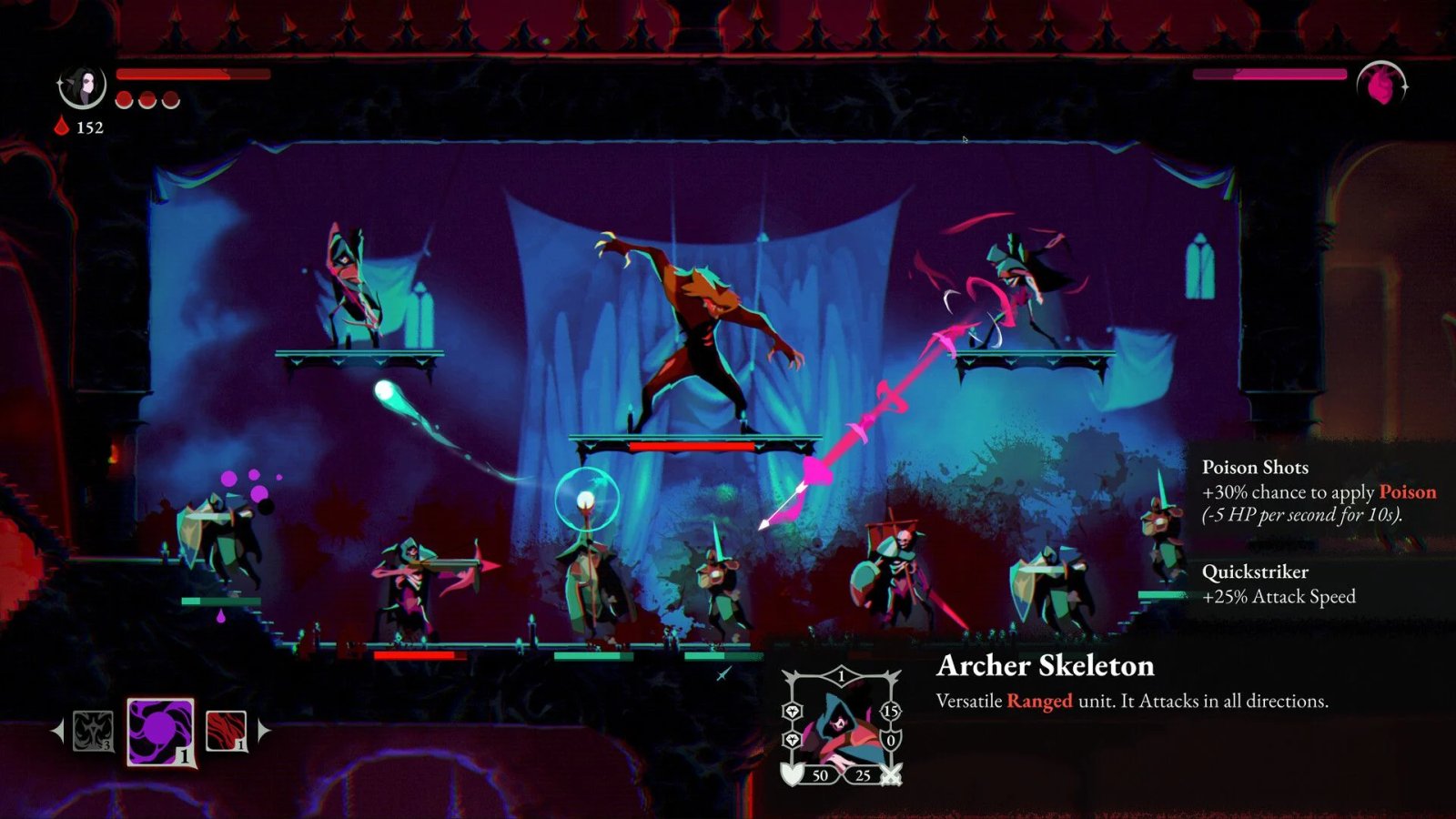
The landscape of video game development is undergoing a seismic shift as advanced artificial intelligence tools begin to challenge the security of intellectual property. Digital Sun, the developer known for the acclaimed title Moonlighter, has recently signaled a change in its release strategy for its upcoming “tower defensevania” project, ReVamp. Originally scheduled for a broad public playtest on Steam, the studio has opted to restrict access to a smaller, controlled cohort within its Discord community. This strategic pivot serves as a direct response to the emergence of highly capable large language models, specifically the latest iterations of Anthropic’s Claude Opus, which have demonstrated an alarming aptitude for decompiling and cloning game software.
Previously, the task of reverse-engineering a compiled game build required significant human expertise, specialized tools, and months of dedicated labor. Today, that barrier to entry has crumbled. The current version of Claude Opus is capable of analyzing code structures, decompiling executable files, and reconstructing them into functional, playable versions in a fraction of the time. This technology has enabled a surge of unauthorized ports, where classic or in-development games are surfacing on web browsers with startling performance levels. For independent studios like Digital Sun, whose projects are often years from completion, the release of a playable build now carries the existential risk of having their original work replicated and distributed before they ever reach the commercial launch phase.
Technical Implications of Claude Opus 5.5
The core of the concern lies in the sophisticated reasoning and pattern recognition capabilities of models like Claude Opus 5.5. These AI systems excel at parsing high-level logic from low-level binary data. When a game build is distributed—even as a limited playtest—it contains the compiled source code, assets, and game logic that define the user experience. Modern AI can systematically map these dependencies, essentially “reading” the intent behind the code and reproducing the underlying mechanics.
Unlike traditional automated tools that often struggle with the complexity of game engines or proprietary frameworks, these new LLMs are increasingly adept at interpreting architectural patterns. This means they can take a black-box executable and effectively reverse the development process. For developers, this effectively renders traditional “security by obscurity”—relying on the technical difficulty of decompilation to protect assets—obsolete. As these AI models grow more proficient, they are essentially automating the intellectual property theft that once required a specialized skillset, turning a laborious manual process into a nearly instantaneous automated task.
A Shift in Studio Release Strategies
The decision by Digital Sun to scale back its ReVamp playtest highlights a broader trend affecting independent developers. The industry has long relied on open, public demos and extended beta periods to generate interest, secure wishlists, and gather critical player feedback. However, the prospect of having a project cloned necessitates a fundamental change in how studios share their work.
This is not an isolated incident. Alliance Arts, the developer behind the title Drunken Goddess Reflux, recently cancelled its planned participation in Steam’s Next Fest—a platform historically vital for indie discoverability—due to fears regarding this specific technological threat. When the act of sharing a “slice” of a game becomes a potential invitation for piracy or unauthorized cloning, the symbiotic relationship between developers and early adopters becomes strained. Developers are now forced to weigh the benefits of community engagement against the risk of losing their primary product to third-party actors. This protective stance may become the new standard, with studios increasingly favoring “walled garden” approaches where access is strictly vetted and limited to trusted individuals.
The Impact on Community Engagement
The move to gated Discord communities for playtesting presents a challenge to the accessibility that has historically fueled the indie game ecosystem. Public demonstrations like Steam’s Next Fest have democratized the industry, allowing small teams to achieve massive exposure regardless of their marketing budget. If the fear of AI-driven cloning forces developers away from these public venues, it may inadvertently stifle the growth of smaller titles that depend on wide visibility to find their audience.
While Digital Sun has assured its community that a public playtest will eventually occur in early 2027, the current strategy emphasizes caution. By keeping the player count low and monitored, the studio is attempting to mitigate the risk of bad actors gaining access to the build for malicious purposes. However, this creates a bottleneck. For players, it means fewer opportunities to engage with early development builds, and for the studio, it implies a more laborious process of manual verification for every participant granted entry.
Future Outlook for Game Security
The rapid evolution of LLMs suggests that this issue will not resolve through simple policy changes. As these AI tools advance, the onus may shift toward digital rights management (DRM) technologies or platforms like Steam to implement more robust protections for pre-release builds. The industry currently finds itself in a period of reactive adjustment. If platforms cannot ensure that distributed software is protected from automated decompilation, the tradition of the public demo may be in jeopardy.
Digital Sun’s closing statement, expressing a hope that platforms will “keep strengthening protections for original work,” underscores the vulnerability felt by creative teams. The industry is currently witnessing a paradox where the tools that allow for faster, more creative development are simultaneously being utilized to compromise the commercial viability of that same creative work. Moving forward, the industry will need to establish new standards for secure testing environments, potentially incorporating encrypted streaming solutions or cloud-based demo delivery that never grants the end-user local access to the source files. Until such solutions are standard, the digital landscape for independent developers remains fraught with the high-stakes risk of automated replication.
Disclaimer: This content is auto-generated for informational purposes only.
Source: Read Original News