







The Shift in Media Infrastructure and Content Independence
The landscape of digital media is currently undergoing a significant transition, characterized by a move away from traditional corporate podcast production toward independent, creator-led networks. This shift is highlighted by the recent launch of X Button, a new podcast network founded by veteran media personalities Brian Altano, Seth Macy, and Max Scoville. The departure of these hosts from their long-term roles at a major gaming outlet, followed by the subsequent scaling back of that organization’s audio programming, serves as a case study in how content creators are responding to the changing economic realities of the digital entertainment industry.
For years, established media corporations utilized podcasting as a primary vehicle for audience engagement. By producing high-frequency content centered on specific gaming platforms—such as PlayStation, Xbox, and Nintendo—these outlets built loyal communities. However, as administrative priorities shift toward cost optimization and revenue efficiency, the resource allocation required to maintain weekly, high-production-value audio shows is being re-evaluated. The result is a structural pivot where independent platforms, powered by direct-to-consumer funding models, are positioning themselves to fill the gap left by legacy media organizations.
Leveraging Direct-to-Consumer Financial Models
The transition from corporate employment to independent creation relies heavily on direct-funding platforms like Patreon. This model allows creators to bypass traditional advertising constraints and corporate overhead, instead building a sustainable business directly on the support of their listeners. By utilizing a tiered subscription architecture, creators provide exclusive benefits, early access, and direct interaction to their supporters.
This financial framework addresses the primary criticism of the corporate model: the vulnerability of creative departments to sudden restructuring. When a show is housed within a massive corporate entity, its survival is often tied to top-line revenue metrics that may not account for brand loyalty or audience growth in the way individual creators do. By moving to an independent, crowdfunded model, the X Button team is attempting to decouple their creative output from the broader fiscal challenges of a large parent organization. This ensures that the primary metric of success remains the quality of the content and the strength of the community, rather than secondary corporate performance indicators.
Technical Execution and Podcast Production
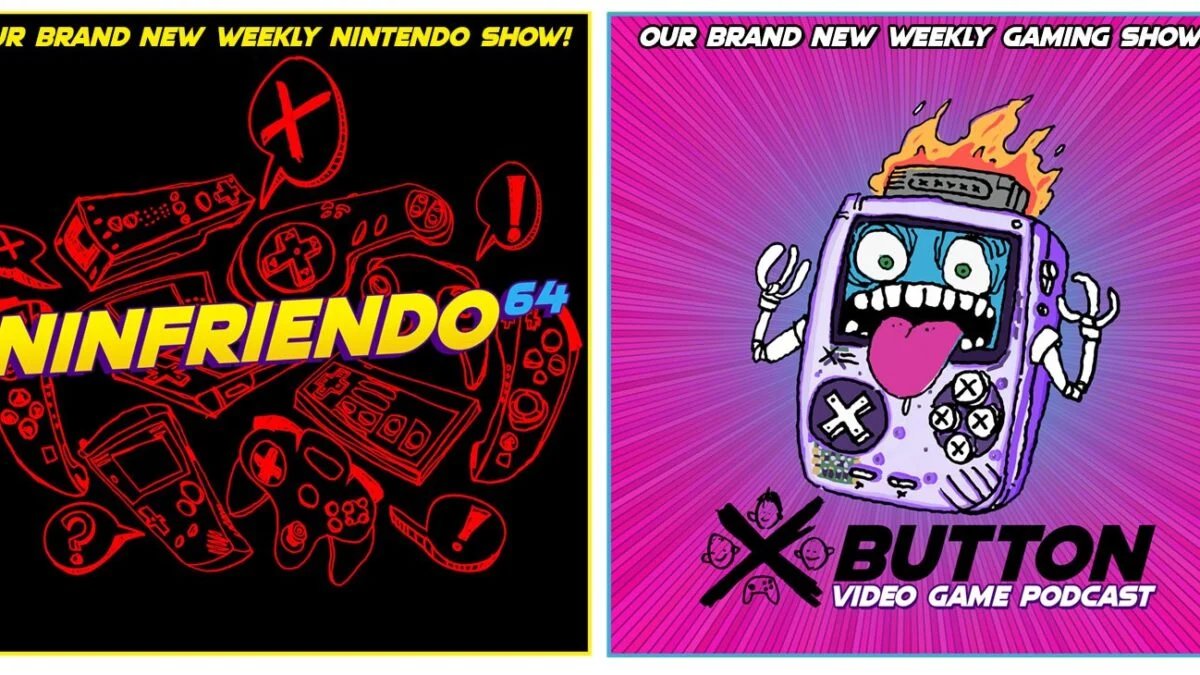
The technical requirements for launching a high-quality independent network are lower today than in previous decades, yet the bar for production quality remains high. Modern podcasting necessitates a sophisticated workflow that includes high-fidelity audio engineering, video integration, and consistent distribution across streaming platforms. The X Button network has prioritized a dual approach: a general interest show titled X Button and a specialized, platform-focused show titled Ninfriendo 64.
Maintaining this level of output requires efficient production pipelines. By utilizing cloud-based collaborative tools and decentralized recording software, the team can effectively manage remote production cycles. Furthermore, the reliance on video content as a core component of their output indicates a strategic awareness of the current media consumption environment. As audiences increasingly look to platforms like YouTube for long-form content, the integration of audio-visual components is essential. This technical adaptability ensures that independent creators can achieve professional parity with larger, well-funded media outlets.
The Evolving Role of Community and Expert Insight
The value proposition of these new ventures lies in the deep institutional knowledge and rapport established by the hosts over many years. When experienced professionals launch their own networks, they carry with them a built-in audience and a refined understanding of industry trends. The use-case for these podcasts extends beyond simple entertainment; they function as a curated source of information for enthusiasts who seek a balance of technical insight, critical analysis, and humor.
Industry peers—including game developers and voice actors—frequently participate in these shows, providing an insider perspective that is often missing from mass-market gaming news. By maintaining an open format that invites industry guests, the independent network functions as a nexus for professionals and enthusiasts alike. This professional ecosystem is supported by a community that values the continuity of the personalities they have followed for years. Consequently, the independent model acts not just as a replacement for lost corporate programming, but as a preservation of a specific type of media culture.
Implications for the Future of Gaming Journalism
The retreat from weekly podcasting by some legacy gaming outlets marks a departure from a decade-long industry standard. As some organizations pivot away from high-investment audio content, other creators are identifying this space as an opportunity for expansion. The success of networks like Kinda Funny demonstrates that an independent, community-funded approach is a viable path forward for experienced creators who wish to maintain creative control.
This movement represents a maturation of the digital media market. As the barriers to entry for high-quality production continue to drop, the dependency on legacy media structures decreases. The current wave of independent launches serves as a bellwether for a larger trend: content creators are increasingly viewing their professional survival as something to be managed through direct audience relationships rather than corporate sponsorship. Whether this strategy will lead to a more fragmented but stable media landscape remains to be seen, but the movement toward independent, sustainable, and creator-led platforms is firmly underway. Through a combination of direct funding, high-production standards, and a focus on established community engagement, these creators are redefining the structure of digital entertainment.
Disclaimer: This content is auto-generated for informational purposes only.
Source: Read Original News