







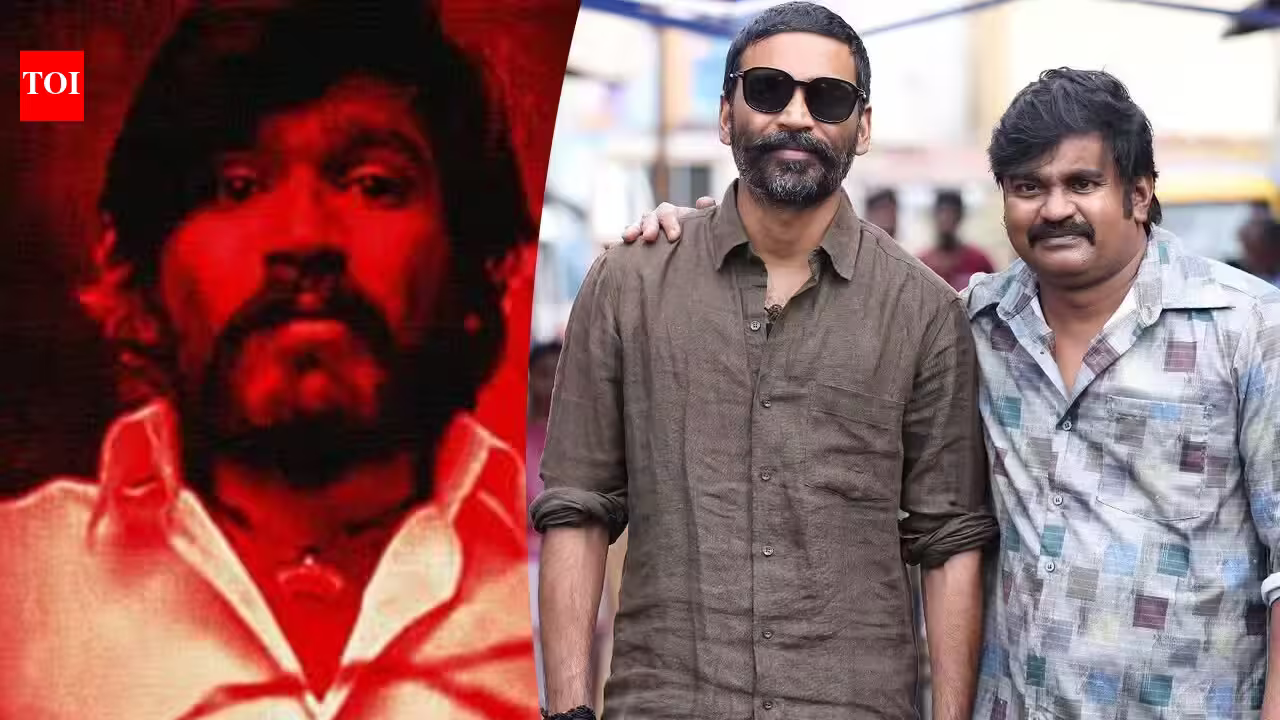
The silence that followed the final frame of Pudhupettai back in 2006 wasn’t a period of closure; it was the birth of an urban legend. For nearly two decades, the streets of Chennai—both in reality and in the collective imagination of Tamil cinema fans—have been haunted by the silhouette of a man in a rumpled shirt, eyes darting with a mix of feral hunger and desperate ambition. That man, of course, is Kokki Kumar.
For years, rumors of a sequel have circulated like smoke in a back alley, fluctuating between enthusiastic fan theories and skeptical dismissals. But now, the fire has been stoked once again. Selvaraghavan, the visionary architect of this gritty underworld, has dropped a breadcrumb that has sent the internet into a frenzy: he is officially rewriting the screenplay for Pudhupettai. While the filmmaker has remained characteristically cryptic, the mere mention of a script overhaul for such a legendary property is the closest we have come to a confirmation that the King of Pudhupettai might finally be ready to reclaim his throne.
The Mythos of Kokki Kumar
To understand why the prospect of Pudhupettai 2 sends shockwaves through the industry, one must revisit the impact of the original. When Pudhupettai hit theaters, it was an outlier. Tamil cinema was largely dominated by polished, star-driven vehicles that favored heroism over humanity. Selvaraghavan, however, opted for the gutter. He gave us a protagonist who wasn’t just morally gray; he was a kaleidoscope of broken dreams, unbridled rage, and haunting vulnerability.
Dhanush’s performance was nothing short of a baptism by fire. He shed the skin of the “boy-next-door” and inhabited Kokki Kumar with a terrifying intensity. Watching him navigate the claustrophobic crime syndicates of North Chennai felt less like watching a movie and more like witnessing a descent into madness. The film didn’t just depict criminality; it mapped the psychology of a man who realized early on that the world is a predatory place, and if you aren’t the predator, you are the prey. Nearly twenty years later, the film’s cult status hasn’t faded—if anything, it has solidified, becoming a touchstone for gritty, realistic storytelling in Indian cinema.
Selvaraghavan’s Rewrite: A Fresh Vision or a Retcon?
The recent Instagram update from Selvaraghavan is the kind of breadcrumb that fans have been starving for. By announcing that he is currently in the process of rewriting the script, the director has signaled that he is not interested in simply cashing in on nostalgia. He is obsessing over the narrative again, which suggests that the sequel, should it happen, will be as uncompromising and visceral as its predecessor.
Rewriting a script for a cult classic is a high-stakes gamble. The original Pudhupettai felt like a closed loop—a Shakespearean tragedy where the rise of a gangster was eventually met with the sobering weight of his choices. By revisiting the script, is Selvaraghavan looking to expand the world, or is he recalibrating the internal logic of the character’s life after the screen faded to black? The ambiguity is intentional. Selvaraghavan has never been a director who plays by the rules of the franchise model. If he brings Kokki Kumar back, he won’t do it because the audience wants a sequel; he’ll do it because he has a new, darker story to tell.
The Dhanush Factor: A Synergy for the Ages
The partnership between Dhanush and Selvaraghavan is perhaps the most significant creative marriage in modern Tamil cinema. It is a symbiotic relationship where the director pushes the actor into uncharted emotional territories, and the actor elevates the director’s bleak, cynical vision into something profoundly human.
For Dhanush, Pudhupettai was the definitive turning point. It was the film that proved he could hold the screen as a formidable force of nature. If Pudhupettai 2 is to happen, the presence of Dhanush is non-negotiable. He is the heartbeat of this narrative. While both men have evolved significantly in their careers—Dhanush into a global star and Selvaraghavan into an auteur of psychological dramas—the hunger they displayed in 2006 remains the benchmark for their work. The prospect of seeing a mature, battle-hardened Dhanush revisit the nuances of Kokki Kumar is a tantalizing one for any film buff.
The Long Road to Production
Despite the excitement, a healthy dose of realism is required. As of now, the project remains in the “scripting phase.” There has been no official announcement regarding production houses, supporting cast members, or, most importantly, a release date. The film industry is notorious for “announced but never filmed” projects, and Selvaraghavan is known to be a perfectionist who often shifts gears based on his creative whims.
Furthermore, the logistical hurdle of assembling the original crew—and creating a follow-up that doesn’t feel like a hollow imitation—is massive. Can a modern sequel capture the specific, raw, low-budget aesthetic that made the original feel so tactile? Or will the sequel succumb to the pressures of “bigger” production values? These questions linger in the background, but they are silenced by the sheer gravity of the brand name itself.
Why We Still Care
Why does a nineteen-year-old movie still demand our attention? It is because Pudhupettai managed to be honest in a way that few films dare to be. It didn’t offer its audience the safety of a moral compass; it forced them to look at the grime of the human condition and find the tragedy within it.
The news of the rewritten script is more than just a headline; it’s an invitation to hope. We aren’t just waiting for another gangster movie; we are waiting to see if one of the most enigmatic characters in the history of Indian cinema has a final, final act left in him. Whether Kokki Kumar returns to the screen or remains forever frozen in his tragic ascent, the conversation sparked by Selvaraghavan proves one thing: the legend of the boy from Pudhupettai is nowhere near finished.
Disclaimer: This content is auto-generated for informational purposes only.
Source: Read Original News