







The Strategic Evolution of the India-US Trade Corridor
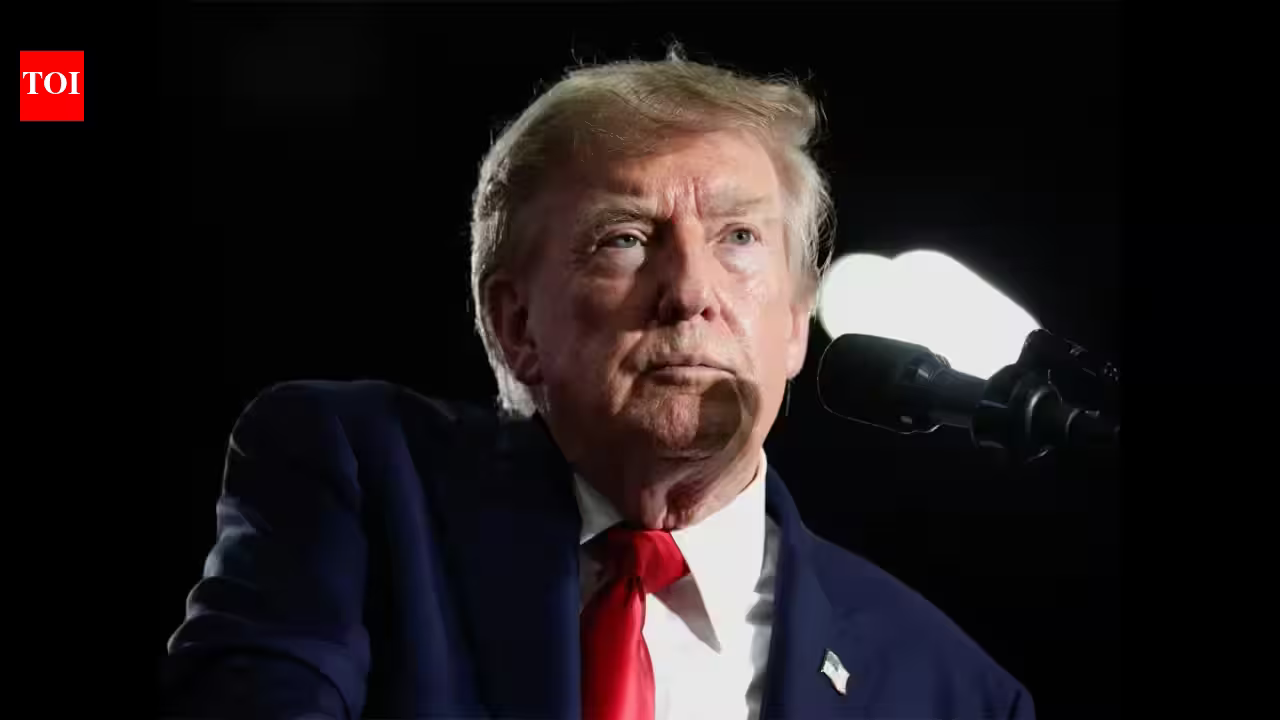
The discourse surrounding the potential Bilateral Trade Agreement (BTA) between India and the United States has shifted from speculative optimism to a phase of concrete finalization. With US President Donald Trump indicating that both nations are “pretty close” to reaching an understanding, the global business community is closely monitoring the development. This represents a significant evolution in international commerce, moving away from traditional, rigid pacts toward a model that addresses the complexities of the 21st-century economy.
The collaboration is no longer restricted to simple tariff adjustments or commodity exchange. It encompasses a broader spectrum of strategic cooperation, including defense, high-end technology, and energy security. For India, this agreement is pivotal as it looks to position itself as a central pillar in the global manufacturing and supply chain landscape. The rhetoric from high-level officials, including US Secretary of State Marco Rubio and India’s External Affairs Minister S. Jaishankar, underscores a mutual desire to prioritize long-term economic stability over short-term protectionist policies.
Deciphering the “Different Kind of Deal”
When President Trump mentions a “different kind of deal,” analysts suggest this signifies a departure from the conventional comprehensive trade agreements that often take years of bureaucratic deliberation. Instead, the current negotiations appear to favor a results-oriented framework that focuses on removing specific bottlenecks in market access, digital trade, and intellectual property.
In the Indian context, this pragmatic approach is highly beneficial. By focusing on sector-specific progress rather than a one-size-fits-all document, the two nations can address critical areas such as the movement of skilled professionals, standards alignment, and investment protections. The recent developments suggest that both administrations have moved past the stalemate that characterized previous cycles of negotiation. The emphasis on finishing the “big items” suggests that the remaining work involves technical adjustments—what diplomats refer to as the “landing point” of the negotiation process.
Economic Significance for the Indian Market
For the Indian economy, a finalized BTA with the United States represents more than just favorable trade balances. It serves as a seal of approval for India’s regulatory environment. As global capital seeks to diversify away from traditional manufacturing hubs, a structured agreement with the US provides the necessary legal and commercial certainty for multinational corporations to shift operations to India.
The visit of Secretary Rubio to Mumbai—the financial heart of India—was a calculated move to engage directly with the private sector. Mumbai-based corporations, which handle a substantial portion of the trade flow between the two nations, are seen as the primary beneficiaries of the proposed deal. Enhanced market access for Indian IT services, pharmaceuticals, and textile industries could drive significant growth, while the US stands to gain deeper access to India’s rapidly expanding middle-class consumption market.
Furthermore, the recent decision by the US administration to waive potential tariffs on specific energy-related goods demonstrates a willingness to prioritize strategic alignment over punitive measures. This flexibility is critical for India’s energy security, as it facilitates the import of vital resources required to sustain its domestic industrial expansion without the burden of prohibitive costs.
The Role of Strategic Alignment in Global Geopolitics
The partnership between India and the United States is increasingly described as “extraordinary,” a characterization that highlights the transition from a transactional relationship to a deep strategic alliance. Secretary Rubio’s assessment that the two countries may not agree on every minor point, but remain aligned on core interests, is a realistic acknowledgement of modern geopolitics.
This alignment is essential for shaping the economic order of the 21st century. By coordinating on energy security and technology, both nations are creating a counterweight to regional economic instabilities. The “India-US COMPACT for the 21st century,” as mentioned by the Ministry of External Affairs, suggests that the trade deal is merely one component of a larger architecture designed to integrate their respective economies more tightly. This integration reduces the risk of supply chain disruptions and enhances the resilience of both nations against external economic shocks.
Technical Hurdles and the Path to Conclusion
While the political will to conclude the deal is evident, the complexity of a bilateral agreement of this magnitude should not be underestimated. The finalization process involves reconciling disparate regulatory standards and addressing sensitive domestic concerns in both nations. In India, this involves navigating labor and agricultural interests, while in the United States, it involves balancing domestic protectionism with the need for competitive access to foreign markets.
The current momentum is driven by the consensus that the “big items” are already settled. This suggests that the remaining challenges are granular. Diplomats are currently focused on ironing out the specifics of dispute resolution mechanisms and compliance standards. The involvement of top-level officials in these discussions is an indication that the political leadership in both Washington and New Delhi is committed to overcoming these final technical hurdles.
The upcoming discussions in Jamnagar regarding energy cooperation further highlight the practical implementation of these high-level negotiations. By moving the conversation into industrial zones and financial hubs, the negotiators are ensuring that the agreement will have a direct impact on the ground, creating tangible value for businesses and investors.
Long-term Outlook for the Partnership
The trajectory of the India-US trade relationship points toward a sustained period of high-level interaction. As both nations recognize the critical nature of their partnership, the prospect of a formal agreement serves as a stabilizing factor for international markets. Investors and stakeholders should anticipate a regulatory environment that becomes progressively more conducive to cross-border investment once the BTA is signed.
The “different kind of deal” envisioned by the leadership is a testament to the maturation of the India-US relationship. It reflects an understanding that in a rapidly shifting global landscape, agility, mutual interest, and sector-specific cooperation are more effective than cumbersome, exhaustive treaties. As the final technical details are addressed, the focus will shift from negotiation to execution, marking the beginning of a new chapter in the commercial history of the world’s two largest democracies. The success of this deal will likely serve as a blueprint for future economic partnerships between the United States and other emerging global powers, emphasizing that strategic alignment is the foundation of modern economic success.
Disclaimer: This content is auto-generated for informational purposes only.
Source: Read Original News