








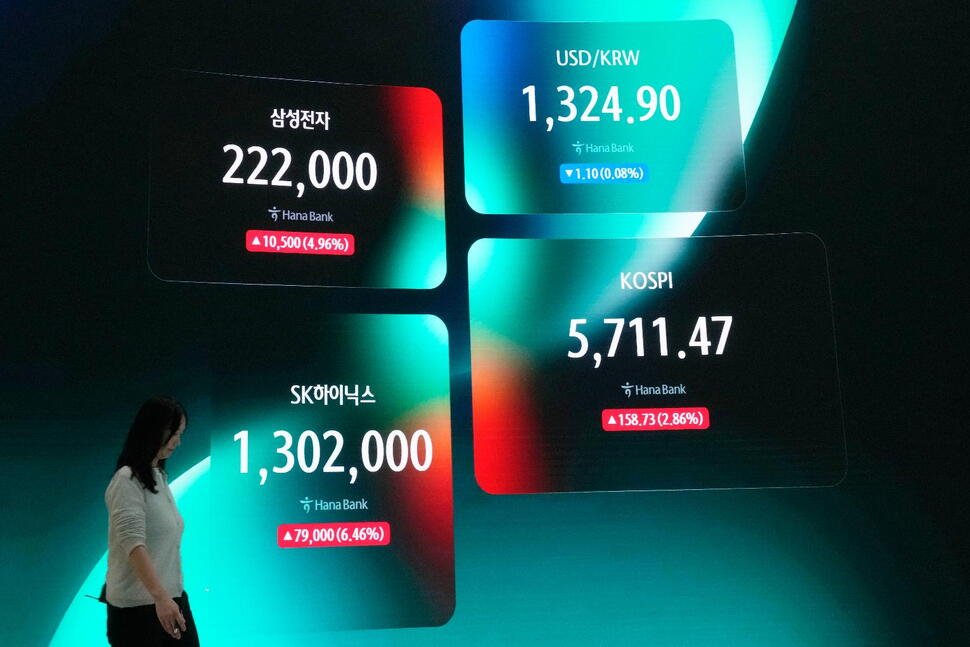
Asian markets saw a mixed performance on Wednesday as investors parsed a complex landscape of surging artificial intelligence demand, volatile energy prices, and shifting trade dynamics. While Japan and South Korea benefited from a tech-led rally, broader regional sentiment remained tempered by concerns over the persistent impact of the ongoing conflict with Iran.
## AI Stocks Spark Volatility and Rebound
The tech sector remains the primary engine of market volatility, with artificial intelligence stocks at the center of the storm. In South Korea, the mood shifted significantly for AI firm Elice. After a bruising debut on Tuesday that saw its share price plummet by 32%, the stock staged a dramatic comeback, hitting the 29.9% daily upward limit as investors rushed to buy the dip.
This recovery reflects a broader trend of “AI fatigue” grappling with fresh optimism. Globally, markets have been unnerved by how rising bond yields might impact the capital-intensive borrowing required for AI chip procurement and data center expansion. Last week’s sell-off in the U.S. reflected these fears, though traders are now focusing on whether AI-related export demand can offset broader macroeconomic pressures. According to analysts at Oxford Economics, while “robust AI demand” continues to provide a vital tailwind for tech-heavy exporters, non-tech sectors—such as traditional automotive manufacturing—face mounting headwinds from high energy costs and restricted borrowing power.
## Japan’s Trade Deficit Widens Amid Energy Price Hikes
Japan’s Nikkei 225 index advanced 1.3%, bolstered by a 16.7% surge in national exports. The growth was largely attributed to strong international demand for Japanese automobiles and high-tech components. However, the report also highlighted the heavy toll that global instability has taken on the nation’s balance sheet.
Imports into Japan skyrocketed by 18.9% in September, a direct result of rising oil prices linked to the regional war with Iran. The combination of high energy prices and steady consumer demand has pushed Japan’s trade deficit toward new highs, creating a delicate balancing act for the country’s economy. The energy situation remains precarious; Brent crude prices climbed 1.5% to $110.37 on Wednesday morning, as the market remains in a state of flux regarding energy supply security.
## Corporate Earnings and Market Sentiment
While technology occupies the spotlight, traditional corporate performance continues to dictate sentiment in Western markets. The U.S. equity landscape showed signs of resilience on Tuesday, with the Dow Jones Industrial Average gaining 1% following strong profit disclosures.
Retail and industrial giants proved that consumer demand can withstand inflationary pressures. Hasbro reported record-breaking revenue for its “Magic: The Gathering” franchise, while 3M saw its stock jump 5.8% after beating profit expectations. Meanwhile, consolidation in the tech space remained a major theme, highlighted by Salesforce’s acquisition of the customer engagement platform Braze, which sent shares of the latter soaring by over 50%.
However, the contrast between “beat-and-raise” earnings and future-looking caution was evident in General Motors’ performance. Despite reporting strong quarterly profits, the automaker’s stock sank 6.8% after it provided a 2026 profit outlook that fell short of Wall Street’s high-bar expectations.
As the week progresses, investors remain focused on these conflicting signals: the undeniable growth trajectory of the AI sector and the sobering reality of higher energy costs and elevated interest rates. For the time being, the market seems determined to ride the wave of technological innovation while navigating the turbulence of a high-cost global environment.
Disclaimer: This content is auto-generated for informational purposes only.
Source: Read Original News